campaign
creatives

Discover 6 Innovative Alternative Platforms To Google Ads For Effective Marketing
Explore these 6 alternative platforms to Google Ads that can enhance your advertising strategy and improve audience targeting.
What if Google Ads isn’t the only option for effective advertising? With the digital marketing landscape constantly evolving, businesses are seeking alternative platforms that can offer unique advantages beyond what Google Ads provides. Marketers often face challenges such as high competition, rising costs, and stringent policies that make it difficult to achieve desired results. As a result, diversifying advertising strategies is becoming essential for effective brand visibility.
Alternative platforms can not only provide lower costs but also allow for more tailored targeting to specific audiences. For example, platforms like Facebook and LinkedIn offer robust demographic targeting that can enhance engagement and improve conversion rates. By utilizing these alternatives, businesses can tap into niche markets and discover new customer segments that may have been overlooked in traditional search advertising.
Below, we've put together a list of top alternative platforms to Google Ads to help you diversify your digital advertising strategy. Each platform has its unique strengths, so let’s explore how you can leverage them to achieve your marketing goals.
1. Facebook Ads
Best for: Businesses looking to engage with specific demographics through targeted advertising.
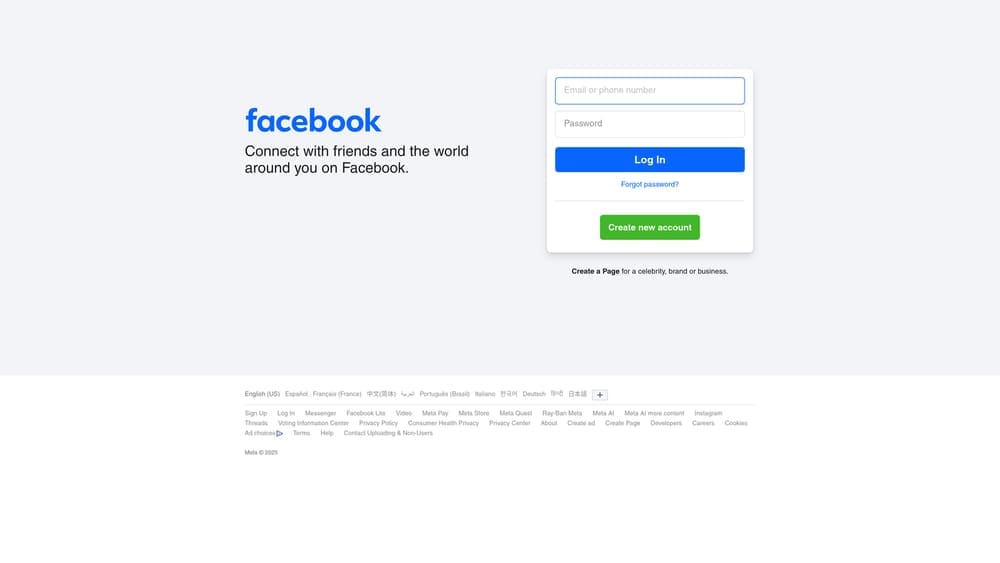
Facebook Ads is a powerful advertising platform that allows businesses to engage with users based on their interests and demographics.
Overview & Background
Facebook Ads offers businesses an extensive reach, with billions of active users worldwide. The platform's robust targeting capabilities enable marketers to reach specific user segments based on detailed interests, behaviors, and demographics, making it an essential tool for social media marketing.
Where This Tool Shines
Facebook Ads excels in user engagement and targeted reach. With its diverse audience, brands can tailor ads to specific demographics, ensuring that the right message reaches the right people. This capability is particularly beneficial for small businesses and e-commerce brands aiming to connect with potential customers effectively. For more information, check out our guide on advanced targeting techniques for Facebook Ads.
Key Features & Capabilities
1. Diverse Ad Formats: Facebook offers various ad formats, including carousel ads that showcase multiple products and video ads that can capture attention effectively. For tips on creating engaging content, visit our page on tips for creating engaging video ads.
2. Audience Insights: The platform provides tools to analyze audience behavior, helping marketers refine their targeting strategies.
3. Retargeting Options: Facebook allows marketers to retarget users who have previously interacted with their ads, increasing the chances of conversion.
Pros and Cons
Pros: Detailed targeting options, high user engagement.
Cons: Risk of ad fatigue; users may experience diminished returns if the same ads are shown repeatedly.
Best For
Facebook Ads is ideal for B2C brands, small businesses, and e-commerce companies looking to leverage social media for driving sales.
Pricing & Value Proposition
Facebook Ads offers flexible pricing models based on bidding strategies, including cost-per-click (CPC) and cost-per-impression (CPM) models, allowing businesses to control their advertising spend effectively.
2. LinkedIn Ads
Best for: B2B marketing and reaching industry professionals.
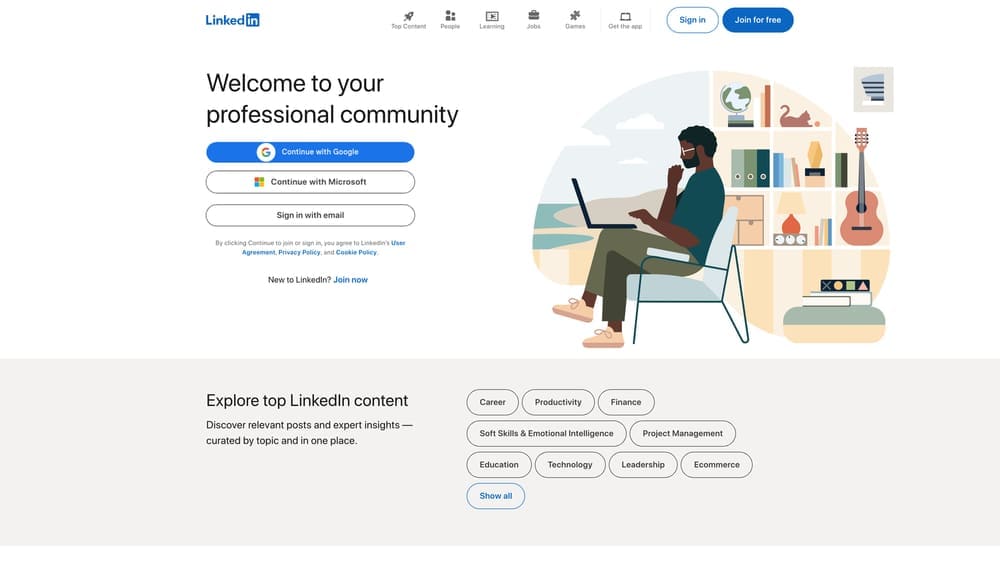
LinkedIn Ads provides a unique opportunity to connect with decision-makers and industry professionals effectively.
Overview & Background
LinkedIn Ads is specifically designed for B2B marketing, enabling brands to target professionals based on job title, industry, and other relevant factors. This makes it a powerful tool for businesses looking to engage with a professional audience.
Where This Tool Shines
LinkedIn Ads excels in professional targeting, allowing companies to reach specific industries and decision-makers. This capability is essential for businesses that rely on building relationships within their industry. To measure your success, refer to our article on how to measure ROI in digital advertising.
Key Features & Capabilities
1. Sponsored Content: This feature allows brands to promote content directly in the LinkedIn feed, enhancing visibility among professionals. For insights on when to engage in social media advertising, check out when to use social media advertising.
2. InMail: LinkedIn’s InMail feature lets businesses send personalized messages to users, increasing the chances of engagement.
3. Precise Targeting: Advertisers can target campaigns based on various professional criteria, ensuring that ads reach the right audience.
Pros and Cons
Pros: High-quality leads, professional targeting.
Cons: Higher costs compared to other platforms; may require a larger budget to achieve significant results.
Best For
LinkedIn Ads is best suited for companies targeting professionals in specific industries, such as technology, finance, and healthcare.
Pricing & Value Proposition
LinkedIn Ads pricing varies based on ad type and bidding strategy, with sponsored content typically being more affordable than InMail campaigns. Businesses should consider their budget and advertising goals when planning their LinkedIn Ads campaigns.
3. Twitter Ads
Best for: Brands looking to engage in real-time conversations and trends.
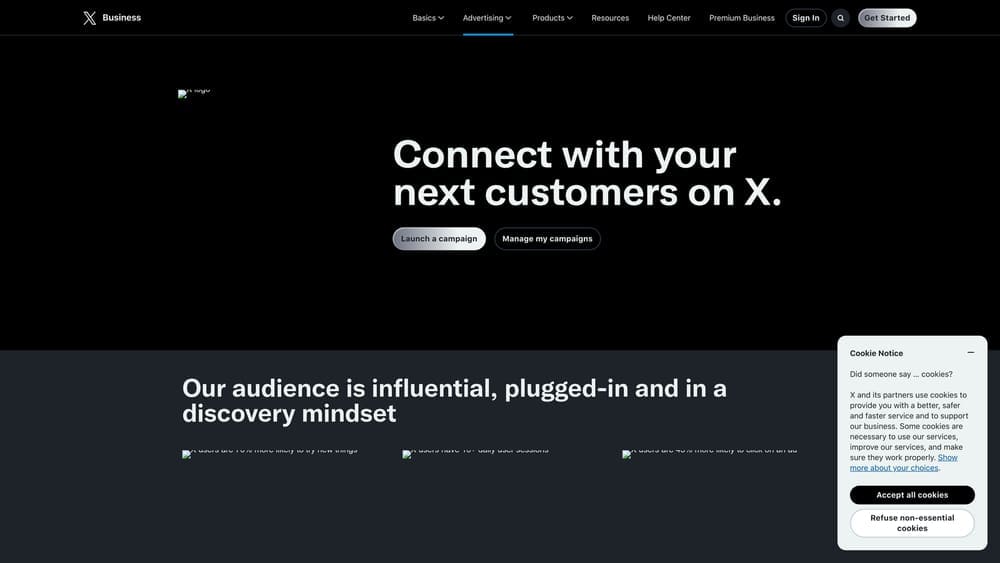
Twitter Ads enables brands to engage with users in real-time, capitalizing on trending topics and conversations.
Overview & Background
Twitter Ads allows brands to participate in real-time conversations, making it an excellent platform for timely marketing campaigns. The platform's unique structure encourages immediate engagement, making it suitable for brands that thrive on current events.
Where This Tool Shines
Twitter Ads excels in immediate engagement and trend participation, allowing brands to connect with audiences during significant events or trending discussions. For more on the advantages of programmatic advertising, visit what are the benefits of programmatic advertising.
Key Features & Capabilities
1. Tweet Promotions: Brands can promote tweets to increase visibility among users who may not follow them.
2. Follower Campaigns: This feature helps brands grow their follower base by promoting their account directly to users.
3. Analytics Tools: Twitter provides comprehensive analytics to track engagement and campaign performance.
Pros and Cons
Pros: Immediacy and relevance; effective for engaging with current events.
Cons: Smaller audience compared to other platforms; effectiveness can vary based on campaign strategy.
Best For
Twitter Ads is ideal for brands wanting to engage in real-time conversations, particularly in industries like entertainment, news, and technology.
Pricing & Value Proposition
Twitter Ads features various cost structures, including cost-per-engagement (CPE) and promoted tweet options, making it flexible for different advertising budgets.
4. Bing Ads
Best for: Businesses seeking to target niche markets with lower competition.
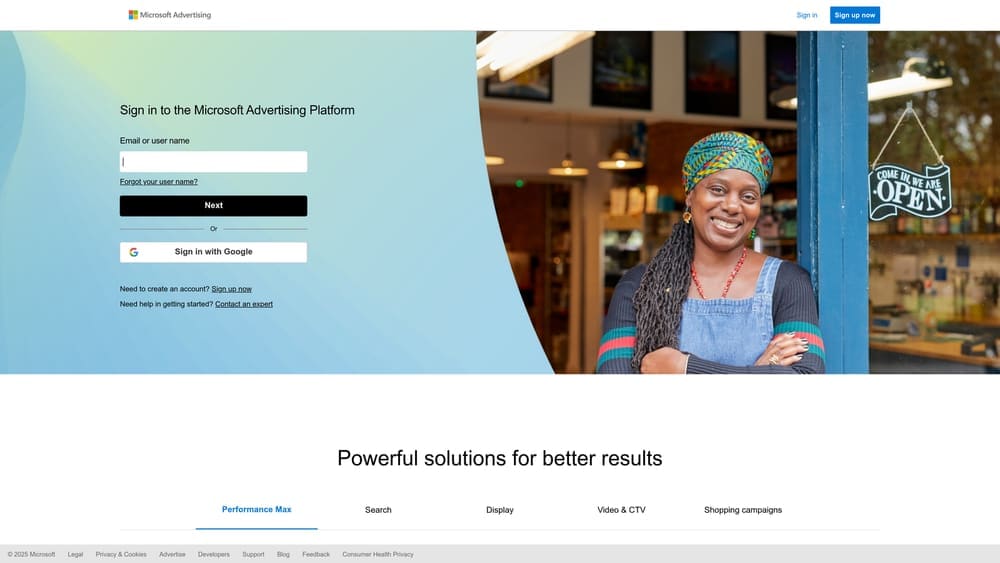
Bing Ads serves as a viable alternative to Google Ads, particularly for niche markets with lower competition.
Overview & Background
Bing Ads provides a strong competitor to Google Ads, allowing advertisers to reach a different demographic. With lower competition, Bing Ads can offer a cost-effective solution for businesses targeting specific audiences.
Where This Tool Shines
Bing Ads excels in lower competition and cost-per-click advantages, making it a budget-friendly option for advertisers looking to reach niche markets.
Key Features & Capabilities
1. Robust Keyword Targeting: Advertisers can use specific keywords to target their ads effectively.
2. Integration with Microsoft Products: Ads can be displayed across Microsoft services, enhancing visibility.
3. Ad Extensions: Bing offers various ad extensions that can provide additional information and improve click-through rates.
Pros and Cons
Pros: Cost-effective, lower competition.
Cons: Limited reach compared to Google Ads; may not be suitable for all industries.
Best For
Bing Ads is suitable for businesses targeting demographics that primarily use Bing as their search engine, such as older audiences.
Pricing & Value Proposition
Bing Ads offers competitive pricing structures that can lead to lower costs than Google Ads, making it an attractive option for budget-conscious advertisers.
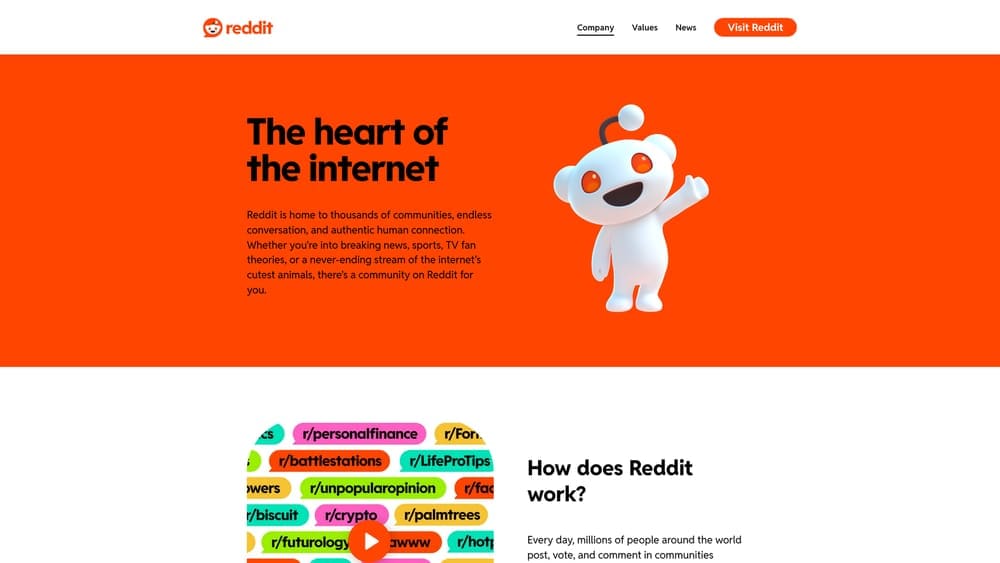
5. Reddit Ads
Best for: Brands looking to engage niche communities with authentic interactions.
Reddit Ads provides a unique platform for engaging with niche communities based on specific interests.
Overview & Background
Reddit Ads allows brands to connect with highly engaged communities within specific subreddits. This community-driven approach enables advertisers to reach users who are genuinely interested in their products or services.
Where This Tool Shines
Reddit Ads excels in fostering authentic interactions and community-driven marketing, enabling brands to engage deeply with specific interest groups.
Key Features & Capabilities
1. Subreddit Targeting: Advertisers can target specific subreddits to ensure their ads reach relevant audiences.
2. Unique Ad Formats: Reddit offers various ad types, including promoted posts that blend seamlessly into discussions.
3. Engagement Potential: The platform encourages user engagement, allowing brands to interact directly with their audience.
Pros and Cons
Pros: High engagement potential, community-focused advertising.
Cons: Brands may face backlash if their ads are perceived as inauthentic or overly promotional.
Best For
Reddit Ads is best for brands that can tailor messages to specific communities, particularly in sectors like gaming, technology, and hobbies.
Pricing & Value Proposition
Reddit Ads offers flexible pricing models that can fit various budgets, allowing brands to choose bidding strategies that align with their goals.
6. Pinterest Ads
Best for: Brands aiming to enhance visual branding and drive sales through visual storytelling.
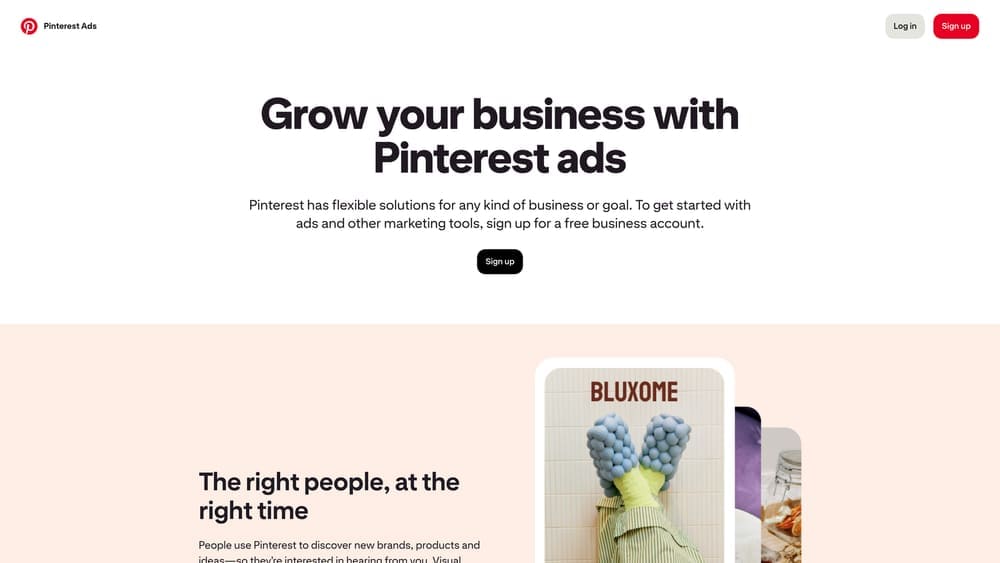
Pinterest Ads provides a platform for brands to showcase visual content and engage users effectively.
Overview & Background
Pinterest Ads enables businesses to promote visually appealing content, making it an ideal platform for brands in lifestyle sectors. With a focus on visual discovery, Pinterest drives traffic and conversions effectively.
Where This Tool Shines
Pinterest Ads excels in driving sales through visual inspiration, allowing brands to engage users at critical planning stages.
Key Features & Capabilities
1. Promoted Pins: These allow brands to showcase their products directly in user feeds, increasing visibility.
2. Video Ads: Pinterest supports video ads, helping brands tell their stories more compellingly.
3. Shopping Features: The platform includes features that facilitate product discovery and purchasing directly from ads.
Pros and Cons
Pros: High engagement rates, effective for visual products.
Cons: Longer sales cycles may require additional nurturing of leads.
Best For
Pinterest Ads is great for brands in fashion, home decor, and DIY sectors that can leverage visually-driven marketing strategies.
Pricing & Value Proposition
Pinterest Ads features various pricing models based on ad types, including cost-per-click and cost-per-impression models, making it a flexible option for advertisers.
Putting It All Together
Diversifying your advertising strategy by exploring alternative platforms to Google Ads can enhance your brand's visibility and engagement. Each platform offers unique features and capabilities that cater to different marketing goals and audience segments. Whether you choose Facebook for its targeting capabilities, LinkedIn for B2B connections, or Pinterest for visual storytelling, these alternatives can help you reach your audience more effectively.
As you consider these platforms, think about your specific business goals and target audience. Start with a small budget to test the effectiveness of each platform, and gradually scale your efforts based on performance. By embracing a multi-channel approach, you can create a more balanced and successful advertising strategy.
Ready to explore these platforms? Check out our guides on improving ad performance on LinkedIn and comparing PPC vs SEO for lead generation to enhance your advertising efforts further.
Campaign
Creatives
quick links
contact
© 2025 Campaign Creatives.
All rights reserved.