campaign
creatives

7 Essential Best Email Marketing Strategies For E-Commerce To Boost Sales
Discover the best email marketing strategies for e-commerce that can enhance engagement and dramatically increase your sales.
Unlocking the Potential of Email Marketing for E-Commerce
Imagine running an e-commerce store, carefully curating your products and investing in social media ads, yet struggling to convert visitors into customers. Many businesses face this reality, as they grapple with high cart abandonment rates and low engagement levels. In fact, studies show that nearly 70% of online shopping carts are abandoned before checkout. This gap is often due to ineffective marketing strategies that fail to nurture leads through the buying journey.
Enter email marketing, a powerful tool that can dramatically transform your conversion rates and overall sales. With an astonishing average return on investment (ROI) of $42 for every dollar spent, email marketing stands out as one of the most cost-effective strategies for e-commerce businesses. By targeting customers directly in their inboxes, you can foster relationships and encourage repeat purchases like never before.
By the end of this article, you’ll discover actionable strategies that can help you harness the full potential of email marketing. Let’s dive into the top email marketing strategies that can help you maximize your e-commerce potential.
1. The Power of Personalization
The Challenge It Solves: Generic emails often end up in the trash. Customers crave personalized experiences that resonate with their preferences and shopping behaviors.
The Strategy Explained: Personalization in email marketing involves tailoring content to meet the specific needs of individual customers. For instance, addressing recipients by name and suggesting products based on their past purchases can significantly enhance engagement rates. According to research, personalized emails can achieve open rates of up to 29% higher than their generic counterparts.
Implementation Steps:
1. Collect customer data through sign-up forms and past purchase history.
2. Segment your email list based on demographics, buying behaviors, and preferences.
3. Craft tailored content that speaks to each segment, including personalized product recommendations and targeted promotions.
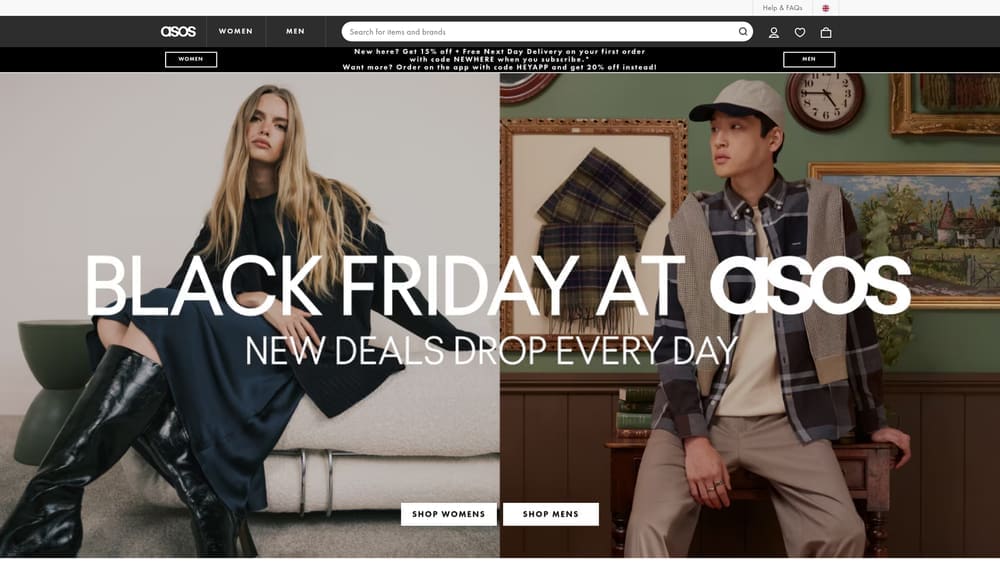
Real-World Application: Fashion retailer ASOS excels in this area by sending personalized emails that recommend items based on previous purchases, increasing their chances of conversion. Customers feel more valued and understood, which leads to higher engagement. For more insights on the importance of targeted marketing, check out why digital marketing is essential for e-commerce.
Pro Tips & Mistakes to Avoid: Regularly update your customer data to keep your personalization efforts relevant. Avoid over-segmenting your audience, which can lead to missed opportunities if not managed properly.
ASOS is a fashion retailer that excels in personalized email marketing strategies.
2. Automated Email Campaigns
The Challenge It Solves: Many e-commerce businesses struggle with maintaining consistent communication with their customers, leading to missed opportunities for engagement.
The Strategy Explained: Automation allows you to send emails based on specific triggers, such as user behavior or predefined schedules. For instance, sending a welcome email series to new subscribers can introduce them to your brand and products without requiring manual effort every time.
Implementation Steps:
1. Identify key customer interactions (like signing up or abandoning a cart) that can trigger automated emails.
2. Set up workflows in your email marketing platform to send timely, relevant messages based on these triggers.
3. Monitor and adjust your automated campaigns based on performance metrics.
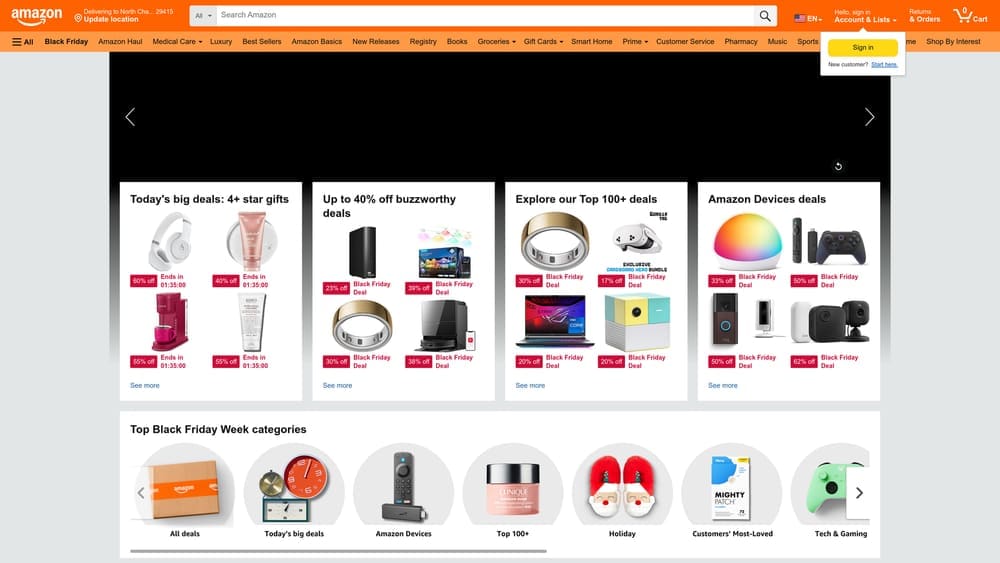
Real-World Application: Brands like Amazon effectively use automation to remind customers of items left in their carts, driving conversions that would otherwise be lost. Their timely, automated reminders can recover a significant amount of potential revenue. To understand the effectiveness of your campaigns, consider learning how to measure ROI in digital advertising.
Pro Tips & Mistakes to Avoid: Ensure your automated emails maintain a personal touch by customizing content for each user. Avoid sending too many automated emails in a short time frame, which can overwhelm customers.
Amazon is a leading brand that uses automated email campaigns effectively to engage customers.
3. Segmentation and Targeting
The Challenge It Solves: Sending the same content to your entire email list can lead to low engagement and high unsubscribe rates.
The Strategy Explained: Segmentation involves dividing your email list into smaller, targeted groups based on specific criteria such as demographics, purchase history, or customer behavior. This targeted approach ensures that your audience receives content that is relevant to their interests.
Implementation Steps:
1. Analyze your customer data to identify distinct segments within your audience.
2. Tailor your email content to match the interests and needs of each segment.
3. Regularly review and adjust your segments based on engagement metrics and customer feedback.
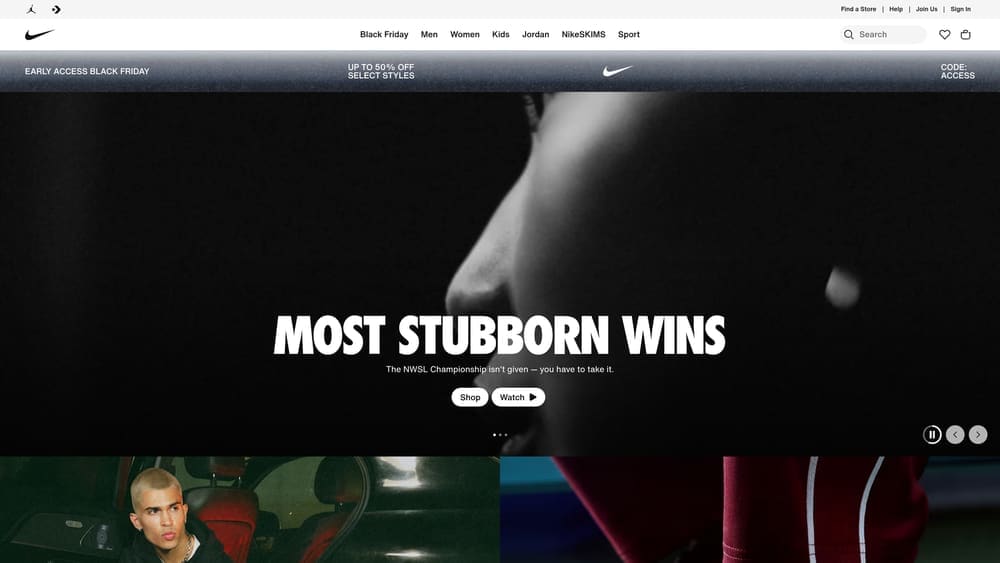
Real-World Application: Companies like Nike utilize segmentation to send targeted promotions to different customer groups, such as offering exclusive discounts to loyal customers while attracting new ones with introductory offers. This approach has proven effective in increasing conversion rates significantly. For advanced strategies, look into advanced targeting techniques for Facebook Ads.
Pro Tips & Mistakes to Avoid: Regularly update your segments to reflect changes in customer behavior. Avoid creating too many segments that may dilute your messaging.
Nike is known for its effective segmentation and targeting strategies in email marketing.
4. Engaging Content Creation
The Challenge It Solves: Boring or overly promotional emails often fail to capture attention, leading to low open and click-through rates.
The Strategy Explained: Creating engaging content is crucial for capturing attention and encouraging interaction in email campaigns. This can include storytelling, visuals, and interactive elements that resonate with your audience.
Implementation Steps:
1. Identify what content types resonate with your audience through feedback and engagement metrics.
2. Incorporate visuals, compelling subject lines, and storytelling techniques into your emails.
3. Experiment with interactive elements like polls or quizzes to enhance engagement.
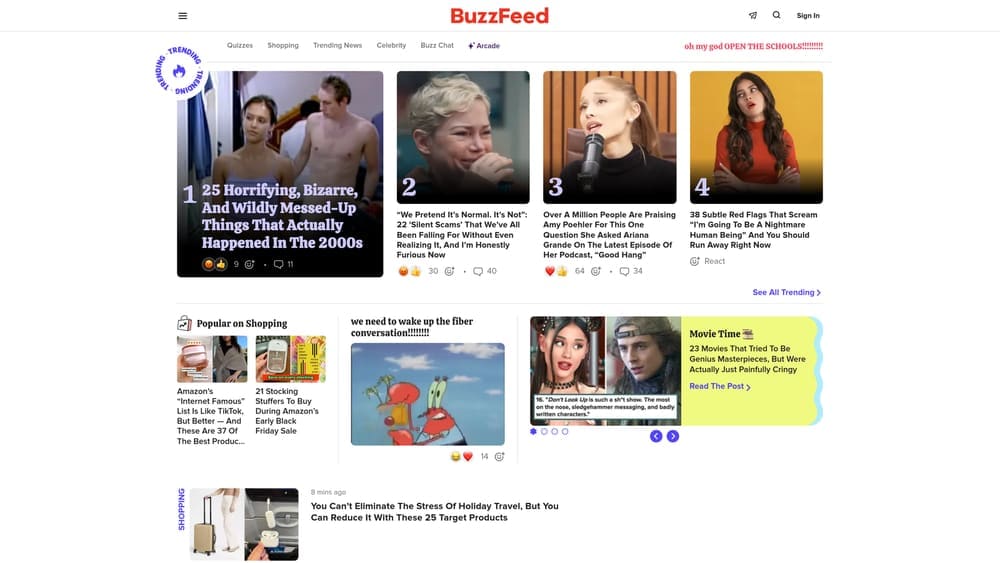
Real-World Application: BuzzFeed is renowned for its engaging email newsletters, which often include quizzes and interactive content, keeping subscribers entertained and coming back for more. For tips on creating captivating content, check tips for creating engaging video ads.
Pro Tips & Mistakes to Avoid: Regularly analyze the performance of your content to understand what drives engagement. Avoid overwhelming readers with too much information in one email.
BuzzFeed is a great example of engaging content creation in email marketing.
5. A/B Testing for Optimization
The Challenge It Solves: Many marketers struggle to determine what email elements are most effective in driving engagement and conversions.
The Strategy Explained: A/B testing involves comparing two versions of an email to see which performs better. By testing different elements such as subject lines, content, and calls to action, you can make data-driven decisions to optimize your campaigns.
Implementation Steps:
1. Define clear objectives for your A/B tests, such as improving open rates or click-through rates.
2. Choose one variable to test at a time to isolate results (e.g., subject line or email layout).
3. Analyze the results and apply the learnings to future campaigns.
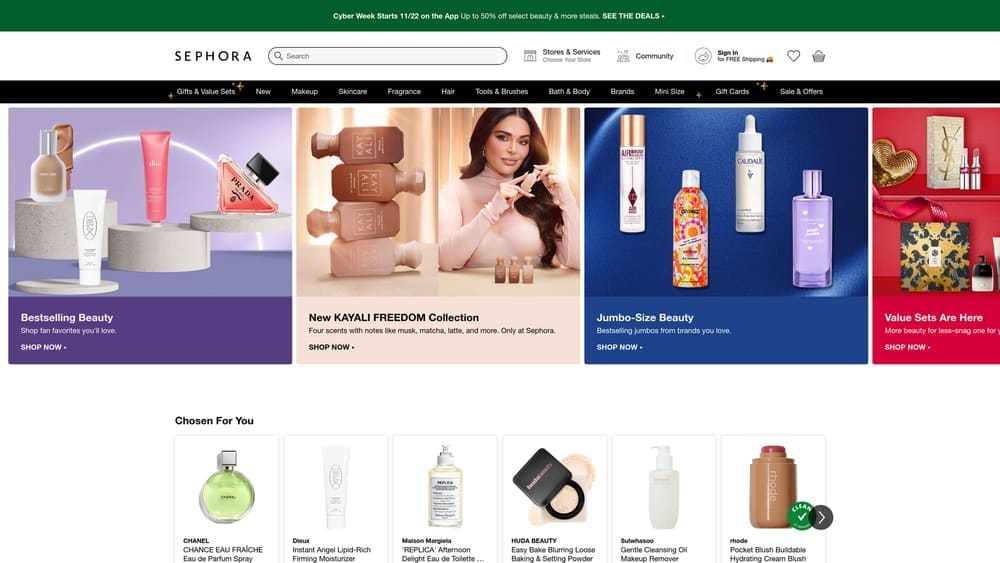
Real-World Application: Online retailers like Sephora frequently conduct A/B tests to refine their email strategies, leading to improved open and conversion rates with each iteration.
Pro Tips & Mistakes to Avoid: Ensure you have a large enough sample size for reliable results. Avoid testing too many variables at once, as this can lead to inconclusive results.
Sephora is a prime example of utilizing A/B testing for email optimization.
6. Integrating Social Proof
The Challenge It Solves: Customers often hesitate to make purchases due to uncertainty about product quality or brand credibility.
The Strategy Explained: Social proof involves leveraging testimonials, reviews, and user-generated content to build trust and credibility. Highlighting positive customer experiences can significantly enhance email effectiveness and conversion rates.
Implementation Steps:
1. Collect customer reviews and testimonials through surveys or direct outreach.
2. Incorporate this social proof into your email campaigns to showcase satisfied customers.
3. Regularly update your social proof content based on recent feedback to maintain relevance.
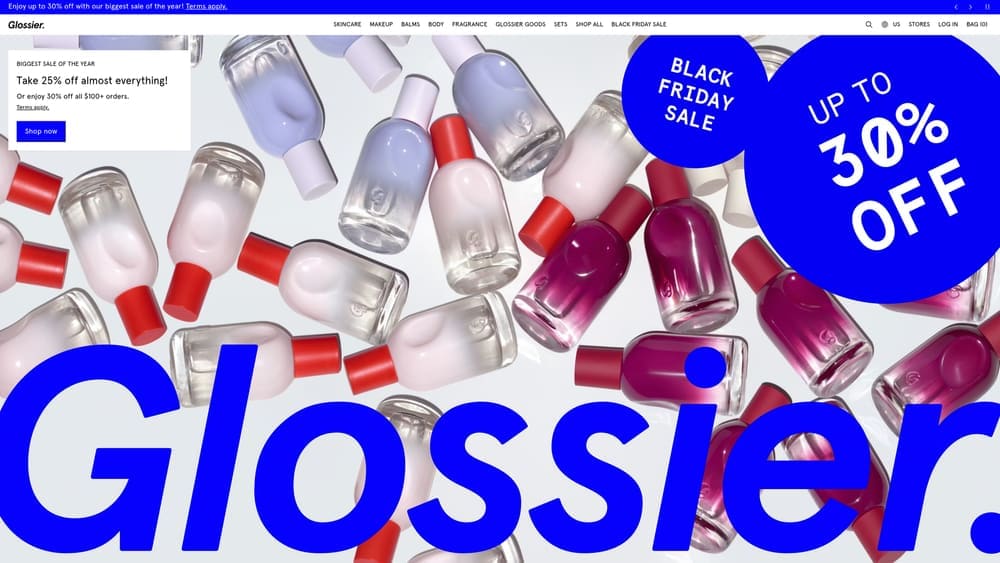
Real-World Application: Brands like Glossier effectively use customer testimonials in their emails, showcasing user-generated content that resonates with new customers and encourages purchases. For more on managing customer feedback, refer to How to Manage Online Reviews Effectively.
Pro Tips & Mistakes to Avoid: Ensure the authenticity of the testimonials you use. Avoid using fake reviews, as they can harm your brand credibility.
Glossier is an example of a brand effectively integrating social proof in their emails.
7. Measuring Success and ROI
The Challenge It Solves: Without proper measurement, businesses can struggle to understand the effectiveness of their email marketing campaigns.
The Strategy Explained: Analyzing key performance indicators (KPIs) such as open rates, click-through rates, and overall ROI is essential to assess the success of your email marketing efforts. Understanding which metrics align with your business objectives can lead to better decision-making.
Implementation Steps:
1. Define clear KPIs for each email campaign and set up tracking systems to gather data.
2. Analyze performance metrics regularly to identify trends and areas for improvement.
3. Adjust your email strategies based on insights gained from your analysis.
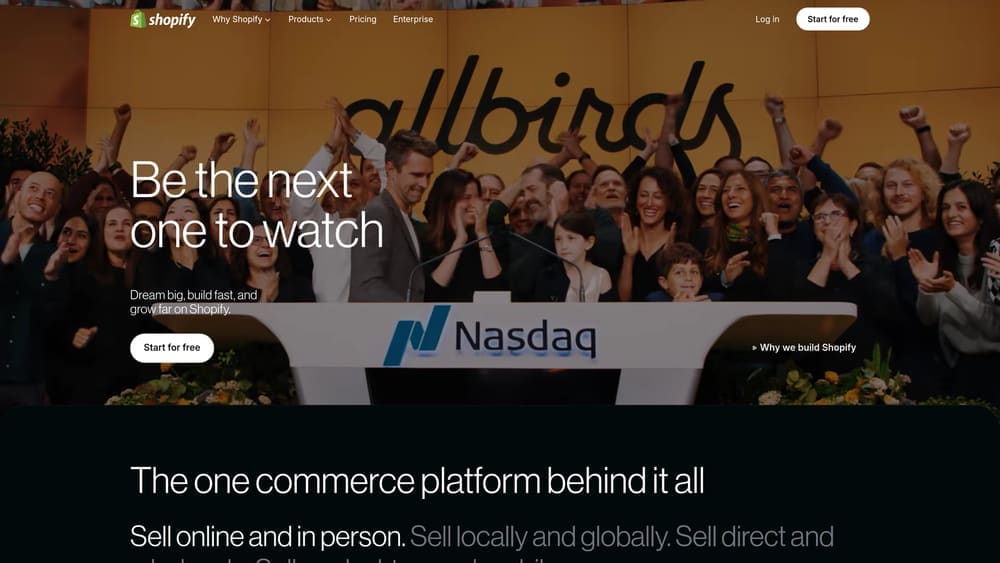
Real-World Application: Companies like Shopify provide dashboards that help businesses track their email marketing performance in real-time, enabling them to make data-driven decisions quickly.
Pro Tips & Mistakes to Avoid: Ensure that you are measuring the right metrics that align with your goals. Avoid neglecting to analyze data, as it can lead to missed opportunities for improvement.
Shopify offers tools that assist in measuring the success of email marketing campaigns.
Putting It All Together
In summary, effective email marketing strategies can significantly enhance e-commerce businesses by improving customer engagement and conversion rates. Personalization, automation, segmentation, engaging content, A/B testing, social proof, and measurement are all critical components of a successful email marketing strategy.
As you consider implementing these strategies, focus on creating a seamless experience for your customers that encourages loyalty and drives sales. Start by evaluating your current email marketing efforts and identifying areas for improvement. Remember, the key to success lies in continuous learning and adaptation to meet the evolving needs of your audience.
Now is the time to take action! Begin implementing these best email marketing strategies for e-commerce and watch your customer engagement and sales soar. If you're looking for more insights and resources, explore additional guides and tools that can support your marketing journey.
Campaign
Creatives
quick links
contact
© 2025 Campaign Creatives.
All rights reserved.