campaign
creatives

Top 6 Modern Strategies For Local SEO To Enhance Your Online Presence
Discover essential modern strategies for local SEO that will help your business stand out and attract more customers in your community.
What If Your Business Is Invisible Online?
Have you ever searched for a local service only to find a handful of options, mostly dominated by larger competitors? You're not alone. Many small businesses struggle to stand out in a crowded digital marketplace, where visibility is key to attracting customers. In 2025, local SEO is more important than ever, as 46% of all Google searches are seeking local information. This trend highlights the need for effective local SEO strategies to drive foot traffic and online engagement.
As a local business owner, you might think that simply having a website is enough. However, traditional approaches often fall short in today's fast-paced digital environment. It's not just about being online; you need to be visible in the right places, with the right content, and in a way that resonates with your local audience.
By the end of this article, you'll know exactly how to implement modern strategies for local SEO to enhance your online presence and connect with your community effectively. Let's dive into the top 8 strategies that can help you achieve your local visibility goals.
1. Claim Your Space With Google My Business
The Challenge It Solves: Google My Business (GMB) is often the first impression potential customers have of your business. Without an optimized GMB profile, you risk losing out on valuable local traffic.
The Strategy Explained: GMB is a free tool that allows you to manage how your business appears on Google Search and Maps. A complete and accurate GMB profile can significantly increase your visibility in local search results. For insights on how GMB compares with other marketing strategies, check out the comparison of PPC vs SEO for lead generation.
Implementation Steps:
1. Claim your business listing on Google My Business.
2. Fill out all relevant information, including your business name, address, phone number, and operating hours.
3. Add high-quality photos and a compelling business description.
4. Regularly update your profile with posts about offers, events, and new products.
5. Encourage customers to leave reviews and respond to them promptly.
Real-World Application: A local restaurant increased foot traffic by optimizing its GMB listing. By adding enticing photos of their dishes and regularly updating posts about specials, they saw a 25% increase in customer inquiries within three months.
Pro Tips & Mistakes to Avoid: Ensure your business information is consistent across all platforms. Inconsistent NAP (Name, Address, Phone) details can confuse both customers and search engines, negatively impacting your local SEO performance.
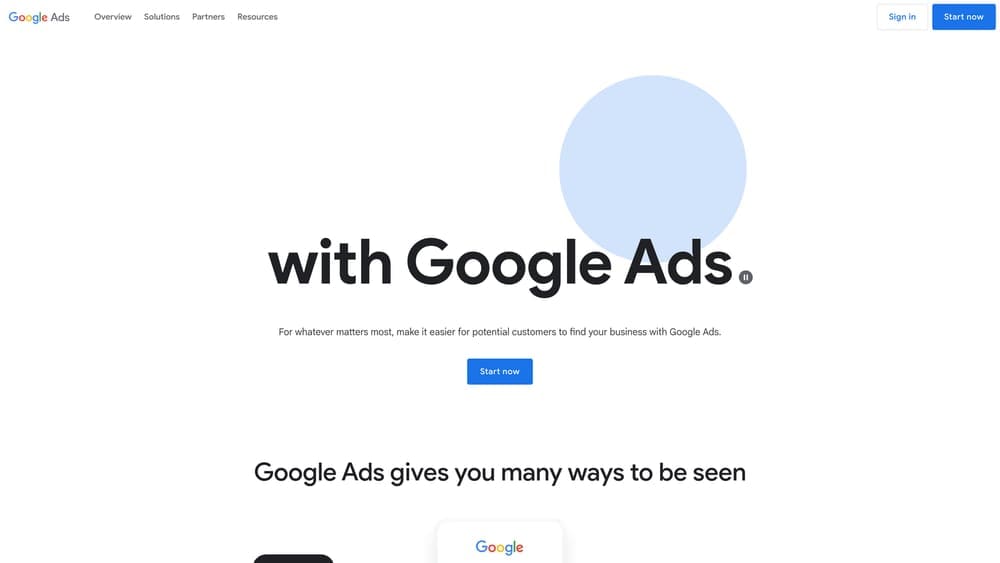
Google My Business is a free tool that helps you manage your business's online presence across Google, including Search and Maps.
2. Speak the Language of Your Locals With Local Keywords
The Challenge It Solves: Many businesses use generic keywords, which can dilute their local search effectiveness. Understanding local search intent is crucial for connecting with your target audience.
The Strategy Explained: Local keywords are search terms that include geographical identifiers, making them essential for local SEO. By incorporating these keywords into your content, you can better align with what your community is searching for. For effective local keyword strategies, consider exploring the best social media platforms for home services.
Implementation Steps:
1. Use tools like Google Keyword Planner or Ubersuggest to find local keywords relevant to your business.
2. Integrate these keywords naturally into your website content, blog posts, and meta descriptions.
3. Create location-specific pages if your business serves multiple areas.
4. Monitor keyword performance and adjust your strategy as needed.
Real-World Application: A local plumbing service increased inquiries by 40% by using targeted local keywords such as “emergency plumber in [City Name]” on their website and in blog content.
Pro Tips & Mistakes to Avoid: Avoid keyword stuffing, which can lead to penalties from search engines. Instead, focus on creating high-quality content that provides value to your audience.
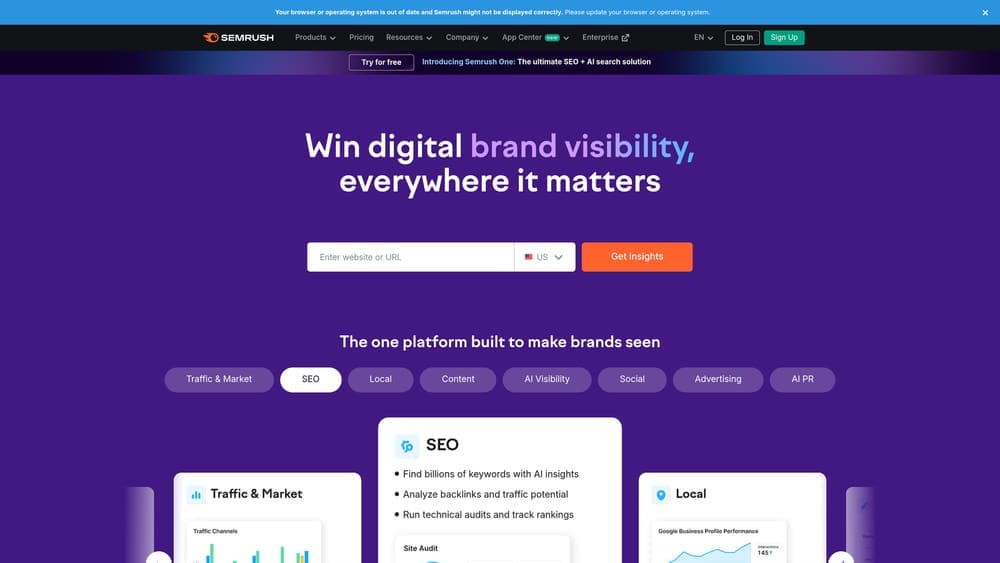
Ubersuggest is a keyword research tool that helps you find the best keywords to enhance your local SEO strategy.
3. Boost Your Credibility With Local Citations
The Challenge It Solves: Inconsistent business information across different platforms can confuse customers and search engines alike, leading to lower local rankings.
The Strategy Explained: Local citations are online mentions of your business on various websites, including directories and social media. Ensuring these citations are accurate and consistent is vital for building credibility.
Implementation Steps:
1. List your business in local directories such as Yelp, Yellow Pages, and industry-specific platforms.
2. Ensure that your NAP information is consistent across all citations.
3. Regularly check and update your citations as needed.
4. Consider using a citation management tool to streamline the process.
Real-World Application: A new local coffee shop gained traction quickly by ensuring consistent citations across multiple platforms, which improved their visibility and trustworthiness in local searches.
Pro Tips & Mistakes to Avoid: Focus on building citations on high-quality, relevant sites. Avoid low-quality directories that could harm your credibility.
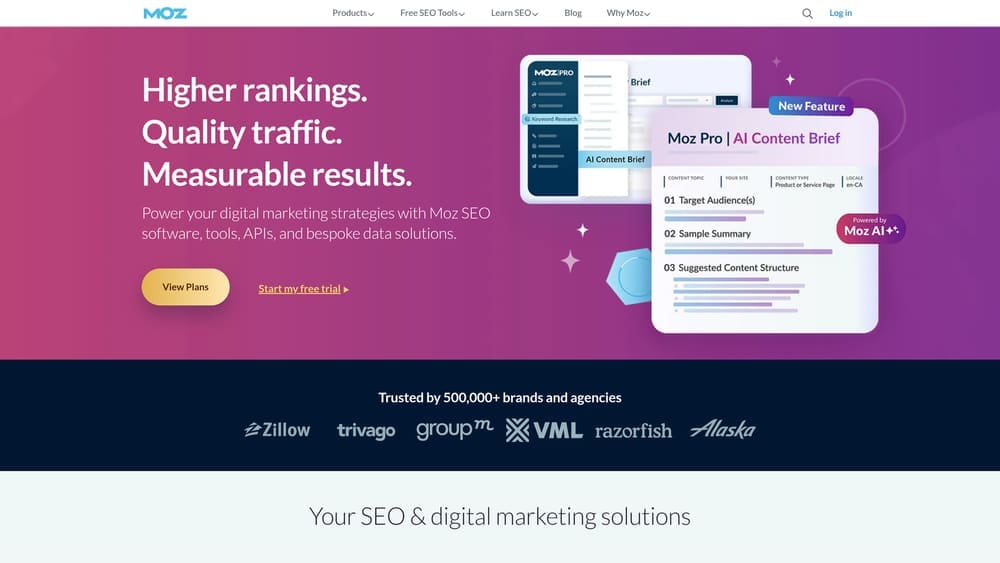
Moz is a tool that helps you manage and track local citations effectively.
4. Go Where Your Customers Are—Optimize for Mobile
The Challenge It Solves: With the prevalence of mobile searches, businesses that aren’t mobile-friendly risk losing potential customers who are searching on-the-go.
The Strategy Explained: Mobile optimization is essential as Google uses mobile-first indexing, meaning it primarily uses the mobile version of your site for indexing and ranking.
Implementation Steps:
1. Use responsive design to ensure your website displays correctly on all devices.
2. Optimize loading speeds; aim for under three seconds for mobile pages.
3. Simplify navigation to enhance user experience on smaller screens.
4. Regularly test your website’s mobile-friendliness using tools like Google’s Mobile-Friendly Test.
Real-World Application: A local retail store saw a 30% increase in online sales after optimizing their website for mobile users, making it easier for customers to browse and shop from their phones.
Pro Tips & Mistakes to Avoid: Don’t neglect the importance of mobile user experience; a poor mobile interface can lead to high bounce rates. Focus on creating a seamless experience across devices.
Google’s Mobile-Friendly Test is a tool that helps you determine how well your site performs on mobile devices.

5. Build Trust Through Customer Reviews
The Challenge It Solves: In the digital age, customers rely heavily on reviews to make purchasing decisions. A lack of reviews can lead to lost opportunities.
The Strategy Explained: Customer reviews not only influence search rankings but also build social proof and trust among potential customers. Actively managing your reviews is crucial for local SEO.
Implementation Steps:
1. Encourage satisfied customers to leave positive reviews on platforms like Google, Yelp, and Facebook.
2. Respond to all reviews, both positive and negative, to show that you value customer feedback.
3. Utilize reviews in your marketing materials to highlight customer satisfaction.
4. Monitor your online reputation regularly and address any negative feedback promptly.
Real-World Application: A local service provider that actively managed its reviews reported a 50% increase in inquiries, as potential customers felt more confident due to the positive feedback from others.
Pro Tips & Mistakes to Avoid: Don’t ignore negative reviews; addressing them can turn a negative experience into a positive one. Ensure your responses are professional and constructive.
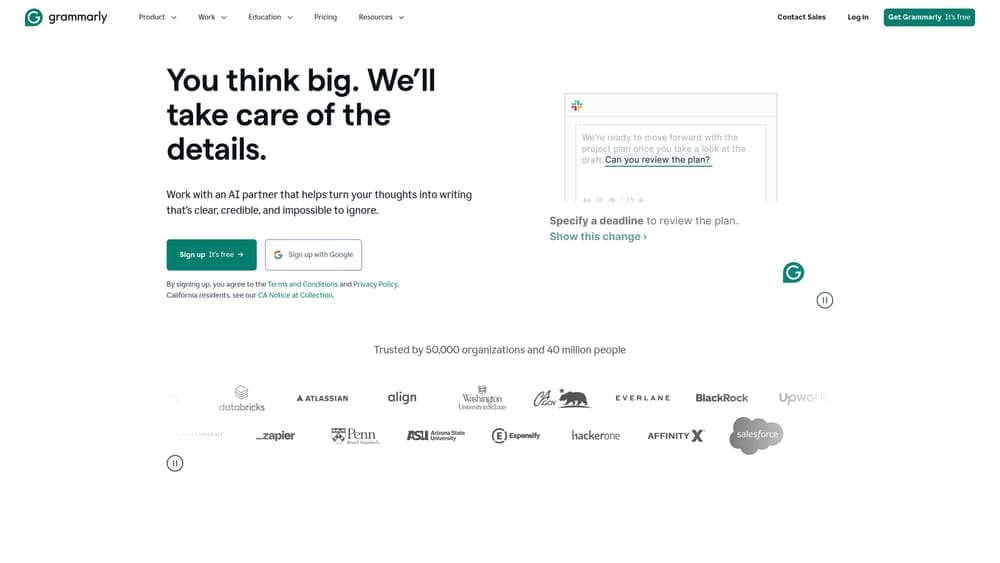
Grammarly is a tool that can help you write effective responses to customer reviews.
6. Craft Localized Content That Resonates
The Challenge It Solves: Generic content fails to engage local audiences, making it difficult to establish a connection with your community.
The Strategy Explained: Creating localized content that reflects the interests and needs of your community can significantly enhance your engagement and relevance. For tips on creating engaging content, you can refer to the tips for creating engaging video ads.
Implementation Steps:
1. Research local events, news, and cultural topics that matter to your audience.
2. Create blog posts, videos, and social media content that highlight local stories or issues.
3. Collaborate with local influencers or businesses to expand your reach.
4. Use local keywords in your content to enhance searchability.
Real-World Application: A local bakery that shared stories about their community involvement and local ingredients saw a 35% increase in social media engagement and foot traffic.
Pro Tips & Mistakes to Avoid: Avoid being too promotional; focus on providing value and fostering community connections through storytelling.
Canva is a design tool that can help you create visually appealing localized content.
7. Social Media as a Local Engagement Tool
The Challenge It Solves: Many businesses overlook social media as a tool for local engagement, missing out on opportunities to connect with their community.
The Strategy Explained: Social media platforms can help build a community around your brand, driving local traffic and fostering relationships. To learn about advanced techniques for social media engagement, see the article on advanced targeting techniques for Facebook Ads.
Implementation Steps:
1. Choose the right platforms for your audience, such as Facebook, Instagram, or Twitter.
2. Share localized content, including promotions, events, and community highlights.
3. Engage with your followers by responding to comments and messages promptly.
4. Utilize local hashtags to increase visibility among local users.
Real-World Application: A local fitness center used Instagram to promote community events and classes, resulting in higher participation rates and increased memberships.
Pro Tips & Mistakes to Avoid: Don’t post too infrequently; consistency is key to maintaining engagement. Also, avoid ignoring comments or messages, as this can diminish trust.
Facebook is a social media platform that can help you engage with your local audience effectively.
8. Putting It All Together
Implementing modern local SEO strategies is vital for enhancing your online presence and driving growth in your community. From optimizing your Google My Business profile to crafting localized content, each strategy plays a crucial role in improving visibility and engagement. For broader marketing strategies that complement your local SEO efforts, discover the best alternatives to traditional advertising.
Remember, the landscape of local SEO is constantly evolving, and staying updated with the latest trends and practices is essential for long-term success. By prioritizing these strategies, you can ensure that your business not only survives but thrives in the competitive local market.
Final Thoughts
Now that you have a comprehensive understanding of modern strategies for local SEO, it's time to take action. Implement these strategies to improve your local visibility and connect with your community effectively. Don't hesitate to seek professional assistance if needed, as tailored marketing solutions can further enhance your efforts.
Learn more about our services at Campaign Creatives and discover how we can help you achieve your local SEO goals.
Campaign
Creatives
quick links
contact
© 2025 Campaign Creatives.
All rights reserved.