campaign
creatives

10 Essential Best Practices For Email Segmentation To Boost Engagement
Discover the best practices for email segmentation that can significantly enhance your email marketing effectiveness and drive higher engagement rates.
Imagine you're sitting at your desk, staring at an email marketing report that shows dismal open rates and conversions. You know your product is great, but why aren’t your emails resonating with your audience? The answer often lies in how you segment your email list. Effective email segmentation is not just a nice-to-have; it's a game changer that can significantly enhance engagement and conversion rates.
In today's fast-paced digital environment, consumers are inundated with emails daily. To cut through the noise, marketers must deliver tailored content that speaks directly to the recipient's interests and behaviors. According to a study by Mailchimp, segmented campaigns can lead to a 760% increase in revenue. That’s a staggering number! Yet, many marketers still rely on generic email blasts that fail to capture attention. By the end of this article, you’ll know exactly how to implement the best practices for email segmentation that can transform your email marketing strategy.
Let’s dive into the top 10 best practices for email segmentation that can help you connect better with your audience.
1. Prioritize First-Party Data Collection
Why It Matters: First-party data is information collected directly from your audience, providing the most accurate insights into their preferences and behaviors. Relying solely on third-party data can lead to inaccuracies and ineffective targeting.
How to Implement: Begin by integrating data collection methods across all customer touchpoints, including sign-up forms, surveys, and purchase history. Make it easy for customers to share their preferences by offering incentives like discounts or exclusive content.
Common Mistakes to Avoid: Avoid overcomplicating your data collection forms. Too many fields can discourage sign-ups. Aim for a balance between collecting valuable information and maintaining a smooth user experience.
Metrics / Evidence of Success: According to a report by HubSpot, companies that actively collect and utilize first-party data see a 20% increase in engagement rates. This clearly demonstrates the value of gathering and leveraging accurate customer data.
Advanced Tips for Optimization: Utilize customer relationship management (CRM) systems to centralize your data collection efforts. Tools like HubSpot and Salesforce can automate this process and provide deeper insights into customer behavior.
2. Segment Based on Behavioral Data
Why It Matters: Understanding how customers interact with your emails and website can inform more effective segmentation. Behavioral data includes past purchases, email engagement, and website activity.
How to Implement: Start by tracking customer behaviors, such as which emails they open, the links they click, and their purchase history. Use this data to create segments like “frequent purchasers” or “inactive subscribers.”
Common Mistakes to Avoid: Don’t rely solely on demographics for segmentation. Behavioral data provides insights into actual customer preferences and actions, leading to more effective campaigns.
Metrics / Evidence of Success: Research shows that personalized emails based on behavior can lead to a 29% higher open rate (Source: Campaign Monitor). This highlights the importance of leveraging behavioral data in your segmentation strategy.
Advanced Tips for Optimization: Consider using machine learning algorithms to predict future behaviors based on past actions. This can help you anticipate customer needs and tailor your messaging accordingly. Additionally, explore advanced targeting techniques for Facebook Ads to enhance your segmentation approach.
3. Create Customer Personas
Why It Matters: Customer personas are semi-fictional representations of your ideal customers, based on data and research. They help you understand your audience better and tailor your messaging to specific segments.
How to Implement: Gather data from surveys, interviews, and analytics to build detailed customer personas. Include aspects like demographics, motivations, challenges, and buying behaviors.
Common Mistakes to Avoid: Avoid creating personas based on assumptions rather than data. Ensure your personas are rooted in real customer insights to maximize their effectiveness.
Metrics / Evidence of Success: A study by the Content Marketing Institute found that 77% of marketing ROI comes from targeted, personalized marketing efforts, underscoring the value of customer personas in segmentation.
Advanced Tips for Optimization: Regularly update your customer personas as market conditions and consumer behaviors change. This ensures your segmentation remains relevant and effective.
4. Utilize Geographic Segmentation
Why It Matters: Geographic segmentation allows you to tailor your messaging based on the location of your audience, which can be crucial for local businesses or region-specific promotions.
How to Implement: Use your email marketing platform to segment your list based on geographic data. This could include countries, states, or even cities, enabling targeted campaigns for local events or promotions.
Common Mistakes to Avoid: Don’t overlook the importance of local culture and preferences when crafting your messages. A one-size-fits-all approach can lead to missed opportunities.
Metrics / Evidence of Success: According to a report by eMarketer, localized email marketing campaigns can see conversion rates increase by up to 30%. This demonstrates the effectiveness of geographic segmentation.
Advanced Tips for Optimization: Use geographic data to schedule your emails according to local time zones, ensuring that your messages reach recipients at optimal times.

5. Implement Dynamic Content
Why It Matters: Dynamic content allows you to personalize email content in real-time based on the recipient’s data and behaviors, enhancing engagement.
How to Implement: Use email marketing platforms that support dynamic content features. This allows you to change images, text, and offers based on the recipient's segment, preferences, or previous interactions.
Common Mistakes to Avoid: Avoid overcomplicating dynamic content setups. Ensure that your basic messaging is still clear and that dynamic elements enhance rather than confuse your communications.
Metrics / Evidence of Success: A study by Experian found that personalized emails with dynamic content can generate up to 29% higher unique open rates. This further emphasizes the value of personalized engagement.
Advanced Tips for Optimization: Test different dynamic content elements to see which combinations yield the best results. A/B testing can help refine your approach over time, as can tips for creating engaging video ads.
6. Regularly Clean Your Email List
Why It Matters: Keeping your email list clean and updated is essential for maintaining high engagement rates and reducing bounce rates. An outdated list can harm your sender reputation.
How to Implement: Set up regular intervals (e.g., quarterly) to review and clean your email list. Remove inactive subscribers and ensure that your segmentation criteria are still applicable.
Common Mistakes to Avoid: Don’t hesitate to remove inactive subscribers. Holding onto them can skew your metrics and negatively impact your overall email performance.
Metrics / Evidence of Success: According to Mailchimp, a clean email list can improve open rates by up to 14%. This highlights the importance of maintaining an engaged subscriber base.
Advanced Tips for Optimization: Consider implementing a re-engagement campaign for inactive subscribers before removing them. This gives them a chance to remain on your list and improve your metrics.
7. Test and Optimize Segmentation Strategies
Why It Matters: Continuous testing and optimization are vital for refining your segmentation strategies and ensuring they remain effective in changing market conditions.
How to Implement: Regularly conduct A/B tests on your email campaigns to assess the effectiveness of different segmentation strategies. Analyze the results to determine which approach yields the best engagement.
Common Mistakes to Avoid: Avoid testing too many variables at once. Focus on one aspect at a time to clearly identify what drives changes in performance.
Metrics / Evidence of Success: Research indicates that businesses that regularly test and optimize their email marketing see a 50% increase in performance metrics. This shows the importance of a testing mindset.
Advanced Tips for Optimization: Utilize marketing automation tools to streamline your testing processes and make data analysis more efficient.
8. Leverage Email Automation for Segmentation
Why It Matters: Email automation can save time and ensure that your segmentation strategies are executed consistently, allowing for more efficient campaigns.
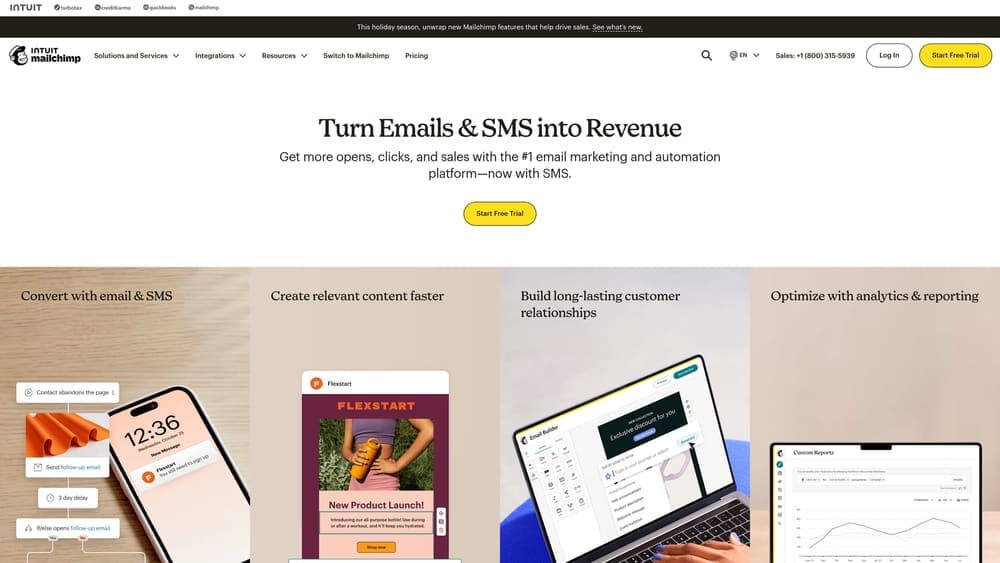
How to Implement: Use email marketing platforms like Mailchimp or ActiveCampaign to set up automated workflows based on customer behaviors and segmentation criteria.
Common Mistakes to Avoid: Don’t set and forget your automated campaigns. Regularly review and adjust your automations to ensure they align with your current strategies and customer behaviors.
Metrics / Evidence of Success: According to a report from Campaign Monitor, automated emails have a 152% higher click-through rate than standard emails, highlighting the effectiveness of automation in segmentation.
Advanced Tips for Optimization: Monitor your automation performance and adjust triggers based on changing customer behaviors or preferences. This will keep your campaigns relevant and effective.
9. Monitor Engagement Metrics Closely
Why It Matters: Monitoring engagement metrics is essential for determining the effectiveness of your segmentation strategies and identifying areas for improvement.
How to Implement: Use analytics tools to track open rates, click-through rates, and conversions for each segment. Analyze this data regularly to refine your strategies.
Common Mistakes to Avoid: Avoid focusing solely on open rates; consider the entire customer journey and how each segment interacts with your brand.
Metrics / Evidence of Success: According to HubSpot, companies that monitor their metrics closely can improve their conversion rates by up to 30%. This emphasizes the importance of data-driven decision-making.
Advanced Tips for Optimization: Create dashboards that visualize your engagement data, making it easier to spot trends and make informed decisions quickly.
10. Foster a Feedback Loop
Why It Matters: Encouraging feedback from your audience helps you understand their needs better and refine your segmentation strategies accordingly.
How to Implement: Include surveys or feedback forms in your emails to gather insights directly from your audience. Ask about their preferences, interests, and how you can improve their experience.
Common Mistakes to Avoid: Don’t overwhelm your subscribers with too many surveys. Choose key moments to solicit feedback, such as after a purchase or following a campaign.
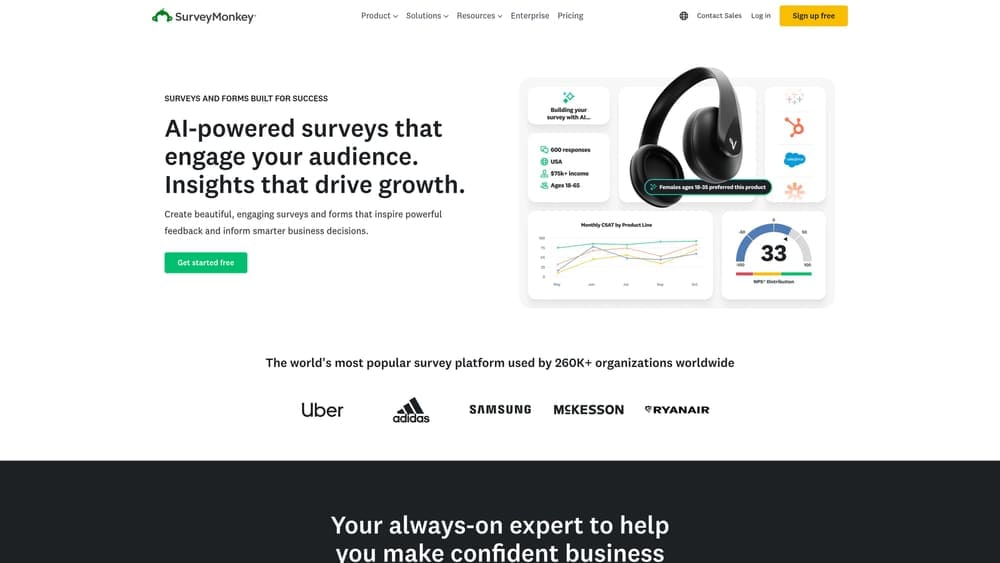
Metrics / Evidence of Success: Surveys conducted by SurveyMonkey show that companies that actively seek customer feedback can improve customer satisfaction by up to 60%. This can lead to higher engagement and retention rates.
Advanced Tips for Optimization: Analyze feedback data to identify common themes and adjust your segmentation strategies accordingly. This will help you stay aligned with customer needs.
Putting It All Together
Effective email segmentation is a powerful tool that can transform your marketing strategy. By implementing these best practices, you can enhance engagement, improve conversion rates, and ultimately drive revenue growth. Remember to prioritize first-party data collection, leverage behavioral insights, create customer personas, and continuously test and optimize your strategies.
Now is the time to take action. Start applying these best practices for email segmentation to your campaigns today. Empower your marketing efforts and watch your engagement soar!
Campaign
Creatives
quick links
contact
© 2025 Campaign Creatives.
All rights reserved.