campaign
creatives

8 Best Comparing PPC Advertising Options To Maximize Your Ad Spend ROI
This guide breaks down eight leading PPC platforms by analyzing their unique strengths, ideal use cases, and realistic pricing to help you match the right advertising channels to your business model and audience behavior when comparing PPC advertising options.
Your advertising budget sits there, waiting for deployment. Google Ads? Facebook? LinkedIn? The options multiply faster than your ability to test them, and every platform promises "the best ROI" while your competitors seem to have cracked some secret formula you're missing.
The PPC landscape has evolved beyond simple Google dominance. While search advertising still captures high-intent buyers, savvy marketers now orchestrate multi-platform strategies that reach audiences at different journey stages. Facebook's granular targeting finds cold prospects, LinkedIn connects with decision-makers, and emerging platforms like TikTok deliver engagement rates that make traditional channels jealous.
The real challenge isn't finding PPC options—it's matching platforms to your specific business model, audience behavior, and budget constraints. A B2B software company targeting CFOs needs completely different channels than a fashion brand chasing Gen Z shoppers. Getting this wrong means burning budget on platforms where your ideal customers simply don't exist or aren't in buying mode.
This comparison examines eight leading PPC platforms, analyzing their unique strengths, ideal use cases, and realistic pricing expectations. You'll discover which platforms excel for different business types, how costs extend beyond simple click prices, and practical frameworks for platform selection that actually drive revenue. For businesses exploring alternative platforms to Google Ads, understanding these options becomes critical for sustainable growth.
1. Google Ads
Best for: Capturing high-intent search traffic across search, display, and video networks
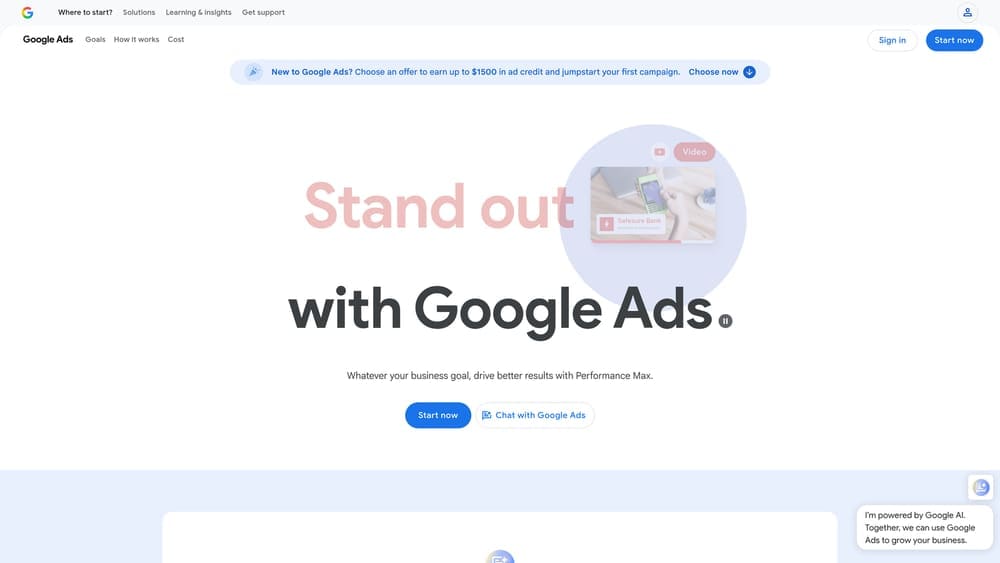
Google Ads remains the cornerstone of most PPC strategies, offering unmatched reach with over 8.5 billion searches processed daily and access to customers across Search, YouTube, Display, and Shopping networks.
Where This Tool Shines
Google Ads excels at capturing bottom-funnel traffic when purchase intent peaks. Users actively searching for specific products or services represent the highest-quality leads available in digital advertising. The platform's AI analyzes millions of signals to identify customers ready to purchase, focusing your budget on ready-to-spend customers rather than vanity metrics.
Performance Max campaigns multiply conversions by automatically optimizing across all Google channels simultaneously. The integration with YouTube Ads helps you reach and build connections with engaged viewers, while Merchant Center integration helps shoppers discover and buy products directly from search results. This cross-channel reach across Google's entire ecosystem including Search, YouTube, and Maps creates seamless customer experiences.
Key Features & Capabilities
Search Network Advertising: Capture users at the exact moment they express purchase intent through search queries.
Performance Max Campaigns: AI-powered automation that optimizes bidding, targeting, and creative across all Google properties simultaneously.
Smart Bidding Strategies: Machine learning algorithms automatically adjust bids based on conversion likelihood and business goals.
YouTube Advertising Integration: Video marketing opportunities within the same platform for comprehensive brand storytelling.
Advanced Audience Targeting: Custom intent audiences, in-market segments, and detailed demographic targeting options.
Comprehensive Attribution Modeling: Integration with Google Analytics provides detailed performance insights and multi-touch attribution.
Best For / Ideal Users
Google Ads works best for businesses with clear search demand for their products or services. E-commerce companies benefit from Shopping campaigns that showcase products directly in search results. Service providers capture local customers through location-based targeting and call extensions.
B2B organizations leverage search campaigns to reach decision-makers researching solutions, while brands building awareness use display and video options effectively. The platform suits businesses that can support higher customer acquisition costs in competitive markets.
Pricing
Cost-per-click varies dramatically by industry and keyword competitiveness, ranging from $1-2 for basic keywords to $50+ in highly competitive sectors like legal services and insurance. Most businesses start with $1,000-5,000 monthly budgets for meaningful results and sufficient data for optimization. The auction-based pricing model means costs fluctuate based on competition, quality scores, and bid strategies selected.
2. Facebook Ads (Meta Ads Manager)
Best for: Detailed demographic and interest-based targeting across Facebook and Instagram with sophisticated audience creation tools
Facebook Ads delivers unmatched targeting precision by leveraging the massive behavioral and demographic data Meta collects across its family of apps.
Where This Tool Shines
Meta's advertising platform excels at reaching specific audience segments through targeting options that go far beyond what's available elsewhere. You can target users based on life events, recent purchases, device usage, travel patterns, and hundreds of other behavioral signals.
The lookalike audience feature stands out as particularly powerful. Upload your customer list, and Meta identifies users with similar characteristics and behaviors. This approach helps businesses scale beyond their existing audience while maintaining quality. The platform's creative testing capabilities allow rapid A/B testing of images, videos, headlines, and ad copy to identify winning combinations quickly.
Key Features & Capabilities
Cross-Platform Reach: Run campaigns simultaneously across Facebook, Instagram, Messenger, and Audience Network from a single interface.
Advanced Audience Targeting: Layer demographics, interests, behaviors, and connections to create highly specific audience segments.
Dynamic Product Ads: Automatically show relevant products to users who've browsed your website or app, perfect for e-commerce retargeting.
Lead Generation Forms: Capture contact information without users leaving the platform, with forms pre-populated from their Facebook profiles.
Pixel Tracking System: Track conversions, build custom audiences, and optimize campaigns based on user actions on your website.
Best For / Ideal Users
Facebook Ads delivers exceptional results for B2C businesses, e-commerce brands, and service providers targeting specific demographics or interest groups. Companies with visual products see particularly strong performance.
Local businesses benefit from precise geographic targeting combined with demographic filters. Brands building community engagement or launching new products leverage the platform's reach and targeting sophistication effectively.
The platform works well for businesses at any stage of the customer journey, from awareness campaigns to direct response conversions and customer retention efforts.
Pricing
Cost-per-click typically ranges from $0.50 to $2.00, though highly competitive audiences or industries may see higher costs. Campaign objectives (awareness vs. conversions) significantly impact pricing. Most businesses find that $500-3,000 monthly budgets provide sufficient data for optimization and meaningful results.
3. LinkedIn Ads
Best for: B2B marketing and professional audience targeting with job title and company precision
LinkedIn Ads delivers unmatched access to professional audiences through the world's largest business networking platform, where users actively maintain current job titles, company information, and professional credentials.
Where This Tool Shines
LinkedIn's professional targeting capabilities operate at a precision level impossible on other platforms. When you need to reach "Marketing Directors at SaaS companies with 50-200 employees," LinkedIn delivers exactly that audience because users keep their profiles current for career purposes.
The platform's Lead Gen Forms revolutionize B2B conversion by pre-populating with LinkedIn profile data. Users submit leads without leaving the platform or manually entering information, dramatically reducing friction in the conversion process. This single feature often doubles conversion rates compared to traditional landing page approaches.
Key Features & Capabilities
Job Function and Seniority Targeting: Reach specific roles like C-suite executives, managers, or individual contributors across any industry vertical.
Company Attribute Filtering: Target by company size, industry, growth rate, or specific company lists for account-based marketing campaigns.
Matched Audiences: Upload customer email lists or retarget website visitors with professional context for higher relevance.
Sponsored InMail (Message Ads): Deliver personalized messages directly to prospects' LinkedIn inboxes when they're active on the platform.
Conversion Tracking for Long Sales Cycles: Attribution windows extend up to 90 days, recognizing B2B buying processes that span months.
Best For / Ideal Users
LinkedIn Ads excels for B2B software companies, professional service providers, and enterprise solution vendors targeting decision-makers. The platform delivers exceptional results when your ideal customer has a specific job title or works at identifiable company types.
Businesses selling high-ticket products or services with longer sales cycles benefit most, as the platform's professional context and extended attribution windows align with complex B2B buying processes.
Pricing
LinkedIn maintains premium pricing with cost-per-click typically ranging from $5-12, significantly higher than other platforms. Most effective campaigns require monthly budgets of $3,000-10,000 to achieve meaningful reach and optimization data within the professional audience.
4. Microsoft Advertising (Bing Ads)
Best for: Lower-cost search advertising with less competition and older, higher-income demographics
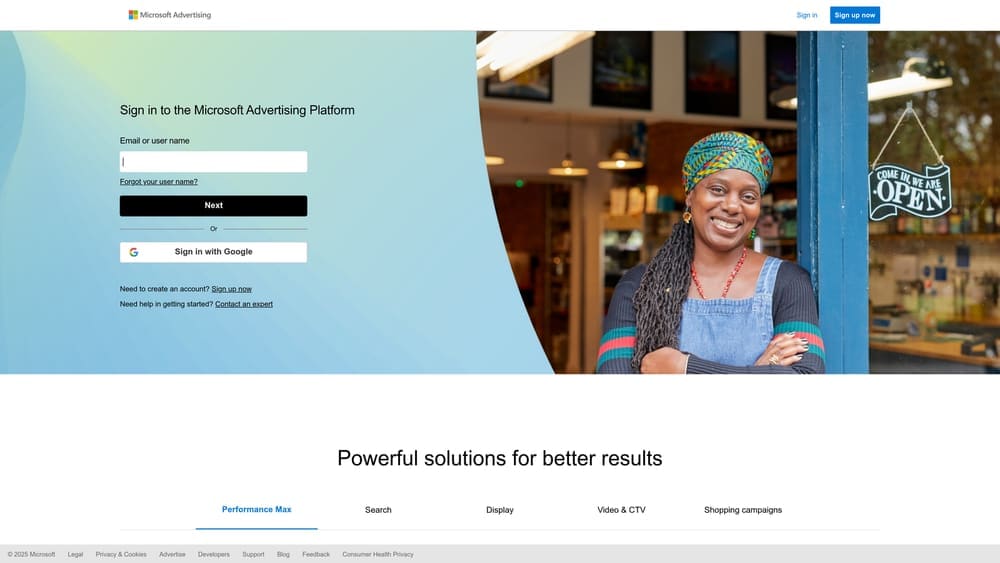
Microsoft Advertising delivers search advertising across the Bing, Yahoo, and AOL networks, reaching approximately 13 billion monthly searches while typically costing 30-50% less than Google Ads.
Where This Tool Shines
The platform's biggest advantage is simple economics. With fewer advertisers competing for the same keywords, your cost-per-click drops significantly while still reaching a valuable audience. The demographic skews older and more affluent—Bing users tend to have higher household incomes and education levels compared to the general internet population.
What makes Microsoft Advertising particularly appealing is the import functionality. You can literally copy your entire Google Ads campaign structure with a few clicks, eliminating the setup headache. Your keywords, ad copy, and bid strategies transfer directly, letting you test the platform without rebuilding everything from scratch.
Key Features & Capabilities
Google Ads Import Tool: Transfer campaigns in minutes rather than hours, maintaining your existing structure and optimization work.
LinkedIn Profile Targeting: Unique integration that lets you target based on company, job function, and industry—a B2B advantage unavailable on Google.
Lower Competition Environment: Fewer advertisers mean better ad positions at lower costs, particularly valuable for small businesses with limited budgets.
Desktop-Heavy Traffic: The audience skews toward desktop usage, beneficial for B2B and high-consideration purchases where users research thoroughly.
Similar Interface to Google Ads: If you know Google Ads, you'll navigate Microsoft Advertising immediately—no steep learning curve.
Best For / Ideal Users
Microsoft Advertising excels for businesses targeting professional audiences, older demographics, or high-value products. Financial advisors, healthcare providers, legal services, and B2B companies often find their ideal customers here. The platform also works well as a testing ground—lower costs mean you can experiment with messaging and offers without burning through budget.
If you're already running Google Ads successfully, adding Microsoft Advertising is the easiest expansion move. You're essentially getting a second chance to reach similar searchers at a fraction of the cost.
Pricing
Cost-per-click typically runs $1-5 across most industries, with some competitive sectors reaching $8-10. Many businesses find they can start with $500-1,000 monthly budgets and see meaningful results, making it accessible for smaller operations testing paid search for the first time.
5. Amazon Advertising
Best for: E-commerce businesses selling on Amazon or targeting shopping-focused audiences with high purchase intent
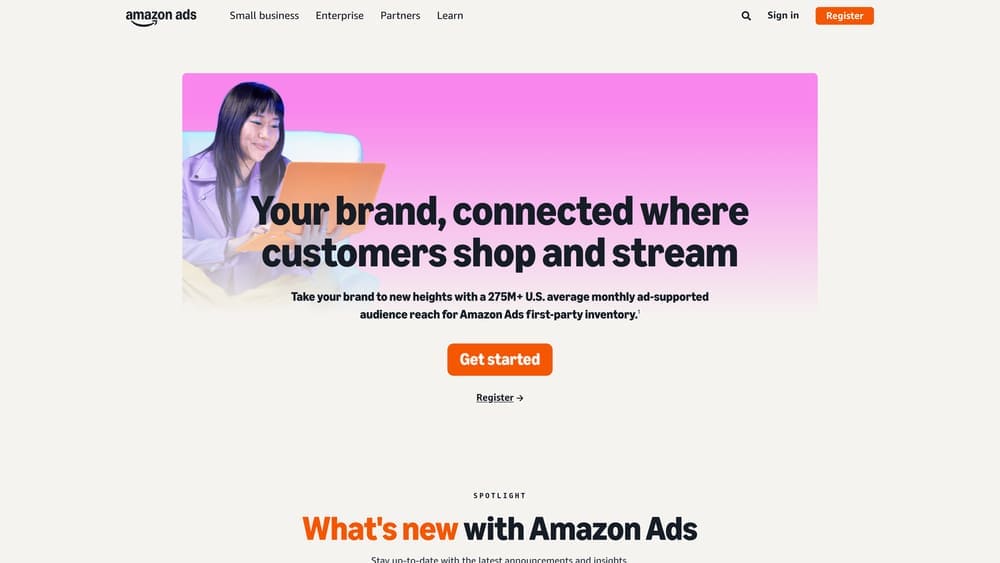
Amazon Advertising connects businesses with over 275 million monthly U.S. customers actively shopping and streaming, offering sponsored placements where buying decisions happen in real-time.
Where This Tool Shines
Amazon Advertising captures customers at the critical moment of purchase decision, delivering conversion rates that often surpass other platforms by 2-3x. Unlike social platforms where users scroll for entertainment, Amazon shoppers arrive with wallets open and purchase intent high.
The platform's closed-loop attribution tracks every dollar from ad click to completed purchase, eliminating the guesswork that plagues other channels. You see exactly which products your ads sold, what the return on ad spend was, and how your campaigns directly impacted revenue. This transparency makes budget decisions straightforward and performance optimization data-driven.
Key Features & Capabilities
Sponsored Products: Your products appear directly in search results and on product detail pages, capturing shoppers actively searching for items like yours.
Sponsored Brands: Headline ads showcase your brand logo and multiple products at the top of search results, building brand awareness while driving sales.
Sponsored Display: Retarget shoppers who viewed your products or similar items across Amazon and external websites, keeping your brand top-of-mind.
Amazon DSP: Reach audiences programmatically across Amazon properties and third-party sites, extending your reach beyond the marketplace itself.
Stores: Create a custom branded storefront on Amazon to showcase your full product catalog and tell your brand story in a dedicated space.
Best For / Ideal Users
Amazon Advertising delivers exceptional results for brands already selling on Amazon who need to compete for visibility in crowded categories. If you're launching new products, defending market share from competitors, or trying to break into the first page of search results, this platform provides the tools to accelerate growth.
Consumer packaged goods brands, electronics sellers, home goods companies, and any business competing in high-traffic product categories benefit most. The platform works particularly well when you have multiple SKUs to promote and need granular control over which products get advertising support.
Pricing
Cost-per-click varies dramatically by product category competitiveness, typically ranging from $0.50 for less competitive niches to $3.00+ for highly contested categories like electronics or supplements. Most successful campaigns require $1,000-5,000 monthly budgets, with higher investments needed for competitive categories where visibility directly correlates with sales volume.
6. TikTok Ads
Best for: Reaching Gen Z and millennial audiences through engaging video content and viral marketing
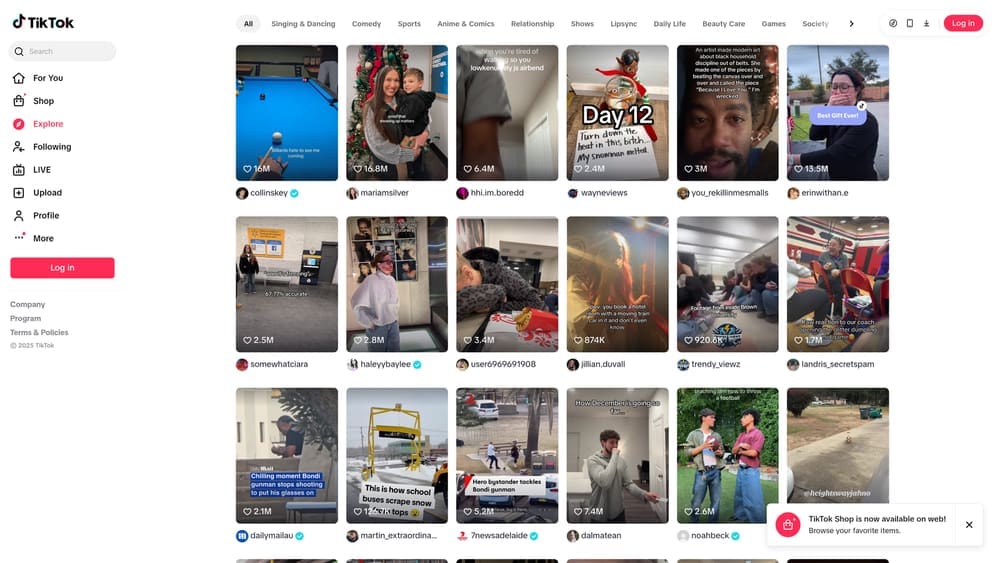
TikTok Ads provides access to a highly engaged, younger demographic through native video advertising that integrates seamlessly with user-generated content on the platform.
Where This Tool Shines
TikTok's algorithm promotes engaging content regardless of follower count, creating opportunities for businesses to achieve significant reach without established audiences. The platform's users actively engage with content rather than passively scrolling, leading to higher interaction rates compared to traditional social platforms.
The creative tools within TikTok Ads Manager help businesses produce native-feeling content that performs well within the platform's ecosystem. Video templates, effects, and music libraries make it easier to create ads that don't feel like traditional advertising, which resonates strongly with the platform's authenticity-focused audience.
Key Features & Capabilities
In-Feed Ads: Native video advertisements that appear in users' For You feeds, blending seamlessly with organic content for natural discovery.
Spark Ads: Amplify existing organic content from your account or creator partnerships, leveraging posts that already demonstrate engagement potential.
TopView Ads: Premium placement that appears when users first open the app, delivering maximum visibility for brand awareness campaigns.
Branded Hashtag Challenges: Create viral marketing campaigns that encourage user participation and content creation around your brand.
Shopping Integration: Direct product links and shopping features enable seamless transitions from discovery to purchase within the platform.
Best For / Ideal Users
TikTok Ads delivers exceptional results for brands targeting Gen Z and millennials, particularly those with visual products or services. Fashion, beauty, food, entertainment, and lifestyle brands typically see strong engagement rates.
Businesses willing to embrace authentic, creative content rather than polished corporate messaging find the most success. The platform rewards brands that understand its culture and create content that entertains first and sells second.
Pricing
Cost-per-click generally ranges from $0.50-2.00, with minimum daily budgets starting at $20. Most effective campaigns require $1,000-3,000 monthly budgets for consistent reach and optimization opportunities.
7. Twitter Ads (X Ads)
Best for: Real-time engagement, trending topic marketing, and reaching audiences during live events
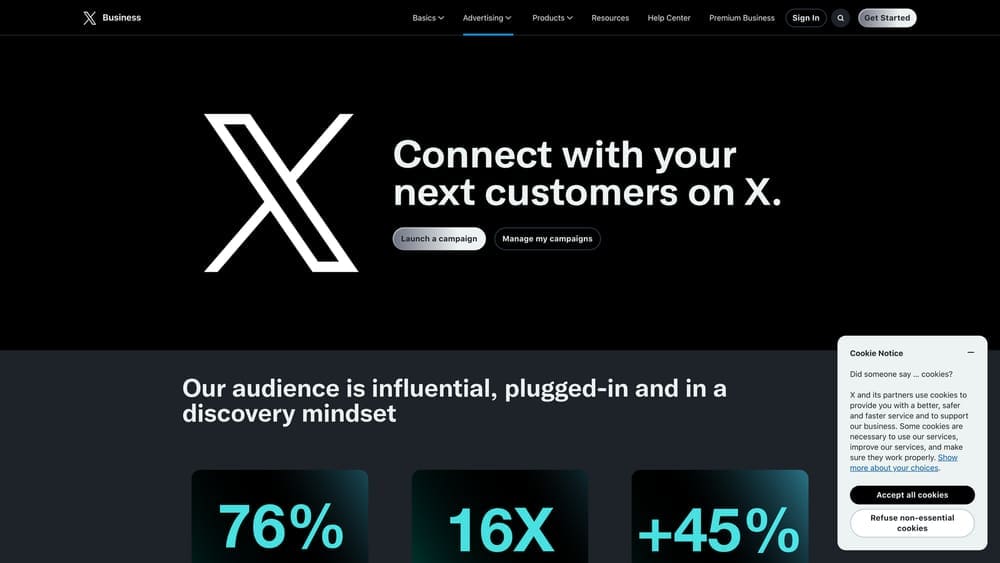
Twitter Ads excels at capturing attention during trending conversations, news events, and real-time discussions, making it ideal for timely marketing and thought leadership positioning.
Where This Tool Shines
Twitter's real-time nature creates unique opportunities for businesses to insert themselves into trending conversations as they happen. Unlike platforms where content has a longer shelf life, Twitter's fast-moving feed rewards immediacy and relevance to current events.
The platform's conversation-driven environment facilitates direct customer engagement in ways other platforms don't. Promoted Tweets blend naturally with organic content, appearing in user timelines without the jarring "ad" feeling that disrupts engagement. Brands can participate authentically in industry discussions, respond to customer feedback publicly, and build thought leadership through consistent presence in relevant conversations.
Key Features & Capabilities
Promoted Tweets: Ads appear naturally in user timelines and search results, maintaining the platform's native feel while extending reach beyond organic followers.
Keyword Targeting: Target users based on keywords they've recently tweeted or engaged with, capturing attention during relevant conversations and trending topics.
Event Targeting: Reach audiences during specific live events, conferences, or cultural moments when engagement peaks and brand relevance increases.
Follower Campaigns: Build your audience strategically by targeting users similar to your current followers or those following competitor accounts.
Conversation Targeting: Reach users based on their recent engagement patterns with specific topics, allowing precise targeting around industry discussions and interests.
Best For / Ideal Users
Twitter Ads performs exceptionally well for news organizations, entertainment brands, and technology companies that benefit from real-time engagement. B2B companies using thought leadership strategies find the platform valuable for establishing industry authority and connecting with decision-makers during professional discussions.
Brands launching products, hosting events, or capitalizing on cultural moments see strong results. The platform's professional user base also makes it effective for SaaS companies, consulting firms, and service providers targeting business audiences through educational content and industry insights.
Pricing
Cost-per-click typically ranges from $0.50-2.50, depending on targeting specificity and competition. Effective campaigns usually require $500-2,500 monthly budgets for meaningful reach and engagement opportunities.
8. Pinterest Ads
Best for: Visual product discovery and reaching users in active planning and shopping modes
Pinterest Ads connects businesses with users actively planning purchases, home projects, events, and lifestyle changes, providing access to audiences in discovery mode rather than passive scrolling.
Where This Tool Shines
Pinterest users approach the platform with intent—they're planning weddings, remodeling kitchens, or searching for gift ideas. This planning mindset creates natural opportunities for product discovery without the resistance common on other social platforms.
The visual search functionality allows users to find products through images rather than keywords, opening discovery paths that text-based platforms can't match. Pins have remarkably long lifespans, continuing to drive traffic months after publication, unlike the 24-hour shelf life of most social content.
Key Features & Capabilities
Promoted Pins: Ads appear seamlessly in search results and user feeds, maintaining the platform's native aesthetic while driving traffic to your website.
Shopping Features: Product Pins display real-time pricing and availability, with direct purchasing capabilities that streamline the path from discovery to conversion.
Interest and Keyword Targeting: Reach users based on their search behavior and saved content, capturing them during active planning phases.
Seasonal Campaign Timing: Align campaigns with major planning seasons—users search for holiday content months in advance, creating early conversion opportunities.
Rich Pins: Enhanced product information displays automatically, including pricing, availability, and detailed descriptions without requiring users to click through.
Best For / Ideal Users
Home decor, fashion, beauty, food, and wedding industries see exceptional performance on Pinterest. The platform's user base skews female (60%+) and tends toward higher household incomes, making it valuable for premium products.
E-commerce businesses with visually compelling products benefit most, particularly those in lifestyle categories. Service providers in event planning, interior design, and creative industries also find engaged audiences actively seeking inspiration and solutions.
Pricing
Cost-per-click typically ranges from $0.20-1.50, making Pinterest one of the more affordable advertising platforms. Most successful campaigns operate with $500-2,000 monthly budgets, though smaller tests can start at $200-300 to gauge audience response and creative performance.
Putting It All Together
The right PPC platform isn't about choosing the "best" option—it's about matching your business objectives with where your audience actually converts. Google Ads dominates for capturing search intent, LinkedIn delivers unmatched B2B precision, and platforms like TikTok and Pinterest open doors to audiences traditional channels miss entirely.
Start with one or two platforms that align with your primary goals. B2B companies typically see faster ROI from LinkedIn and Google Search, while consumer brands benefit from Facebook's targeting combined with Google's reach. E-commerce businesses should prioritize Google Shopping and Amazon Advertising for direct sales impact, then layer in social platforms for awareness.
Budget allocation matters more than total spend. Testing $500 across three platforms reveals more than $5,000 on a single channel without optimization. Track cost-per-acquisition, not just cost-per-click—the cheapest clicks rarely deliver the most valuable customers.
The most successful PPC strategies evolve continuously. What works today shifts as algorithms update, competition intensifies, and audience behavior changes. Regular testing, ruthless optimization, and willingness to reallocate budget based on performance separate profitable campaigns from budget drains.
Ready to build a PPC strategy that actually drives revenue? Learn more about our services and discover how data-driven platform selection and optimization can transform your advertising ROI.
Campaign
Creatives
quick links
contact
© 2025 Campaign Creatives.
All rights reserved.