campaign
creatives

8 Essential Insights For Understanding Email Marketing Vs Social Media Advertising
This article explores key differences between email marketing vs social media advertising, helping you determine which strategy best aligns with your business needs.
Navigating The Marketing Maze: Email Vs. Social Media
Imagine you're a small business owner, juggling multiple marketing strategies while trying to determine the most effective way to reach your audience. You’ve heard the buzz about email marketing and social media advertising, but which one truly suits your business needs? You're not alone in this dilemma. Many businesses face the challenge of deciding between these two powerful channels. Understanding the differences can guide you to allocate your marketing resources effectively.
Email marketing is often touted as a cornerstone of direct communication, while social media advertising shines for its ability to reach vast audiences quickly. Both channels offer unique strengths that can significantly impact your marketing outcomes. By the end of this article, you'll have a clearer understanding of where to focus your efforts based on your business goals, audience preferences, and the nature of your products or services.
Let’s dive into the top 8 insights that can help you navigate the decision between email marketing and social media advertising.
1. Email Marketing: The Cornerstone of Direct Communication
Best for: Establishing direct relationships with customers through personalized communication.
Mailchimp is a powerful email marketing platform that enables businesses to create targeted campaigns effectively.
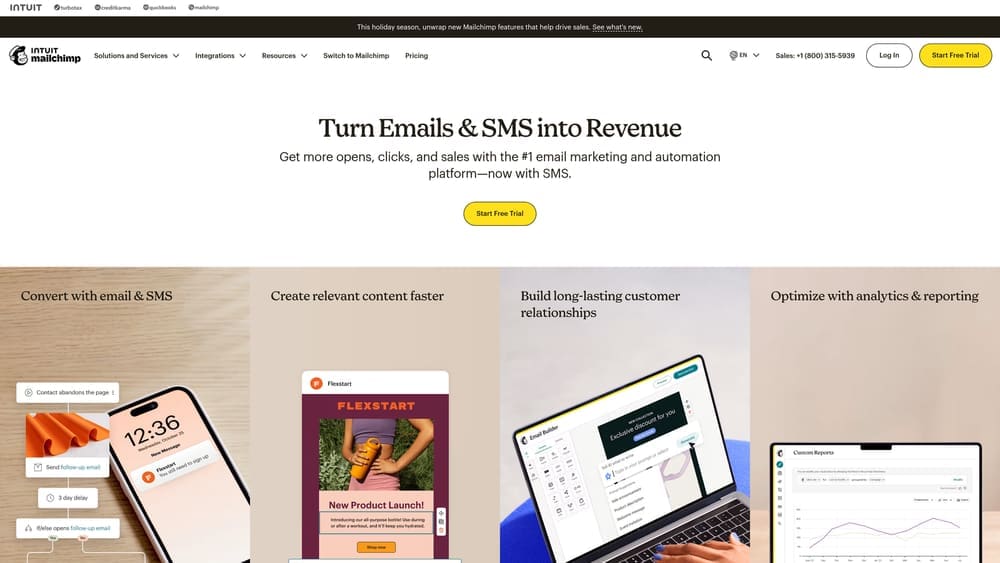
Email marketing excels in fostering direct engagement with customers. It allows businesses to communicate personally through tailored messages, driving higher engagement rates compared to other channels. For instance, a well-segmented email list can lead to open rates of over 20%, while non-segmented lists often fall short.
To illustrate, consider a business that launched a personalized email drip campaign, targeting users who had shown interest in specific products. By sending them tailored recommendations and relevant content, the company saw a significant uptick in conversions—demonstrating the power of personalized email marketing.
However, email marketing isn't without its challenges. Issues like email fatigue and spam filters can hinder campaign effectiveness. It’s crucial to maintain a balance between frequency and value in your emails. For more information on when to use social media advertising, consider its unique advantages.
2. Social Media Advertising: Capturing Hearts and Minds
Best for: Increasing brand visibility and engagement through captivating visual content.
Facebook Ads is a leading platform for social media advertising, leveraging detailed audience targeting to drive engagement.
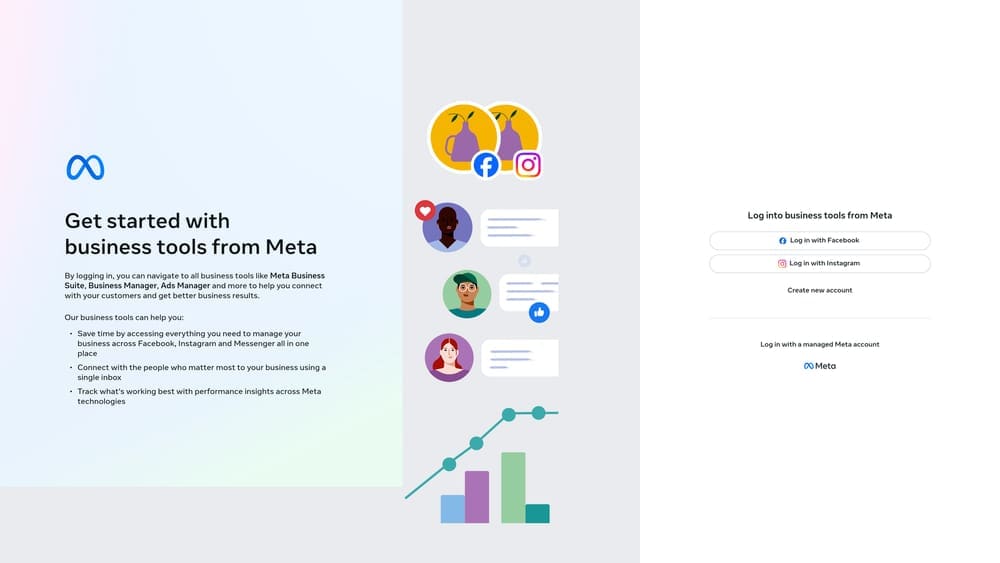
Social media advertising thrives on its visual nature, engaging audiences through creative content. Platforms like Instagram and TikTok leverage eye-catching visuals and videos to captivate users. For example, brands that utilize video ads on Facebook often see higher engagement rates, with video content receiving 48% more views than static posts.
Imagine a brand launching a campaign that capitalizes on a popular trend, using short, engaging videos to connect with their audience. This approach not only boosts immediate engagement but also enhances brand recall. For tips on creating engaging video ads, check out our detailed guide.
While social media advertising can yield quick results, it faces challenges such as ad fatigue and competition. Brands must continuously refresh their content to keep audiences interested, adapting to trends and user preferences. For more on advanced targeting techniques for Facebook Ads, consider exploring this resource.
3. Email Marketing’s Edge in Nurturing Leads
Best for: Building long-term relationships and nurturing leads through consistent communication.
Constant Contact is an email marketing solution that provides tools for effective lead nurturing.
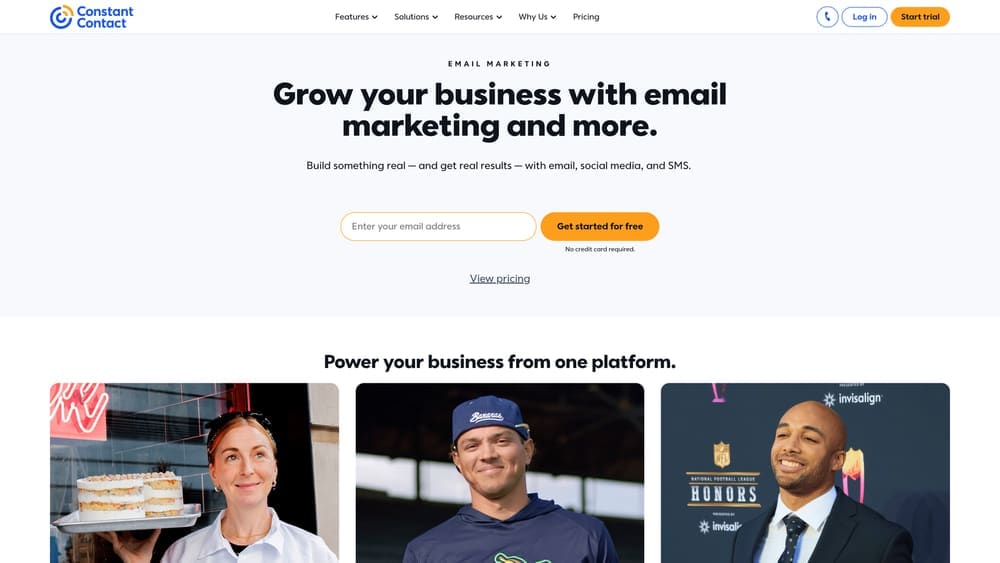
Email marketing is particularly effective for nurturing leads over time. Ongoing communication helps build trust and keeps your brand top-of-mind for potential customers. By sending regular updates, promotions, and personalized content, you can guide your leads further along the sales funnel.
For instance, a business may implement a series of educational emails that provide value and insight into their products. As recipients engage with this content, they’re more likely to convert when it comes time to make a purchase.
Additionally, segmenting your email list allows for targeted messaging that resonates with specific audience segments, significantly boosting conversion rates. On average, segmented email campaigns can generate up to 760% more revenue than non-segmented ones. Understanding why digital marketing is essential for e-commerce can also be beneficial in this context.
4. Social Media’s Quick Engagement and Reach
Best for: Achieving rapid brand visibility and generating quick audience interactions.
Twitter Ads offers a platform for brands to capitalize on real-time conversations and trends.
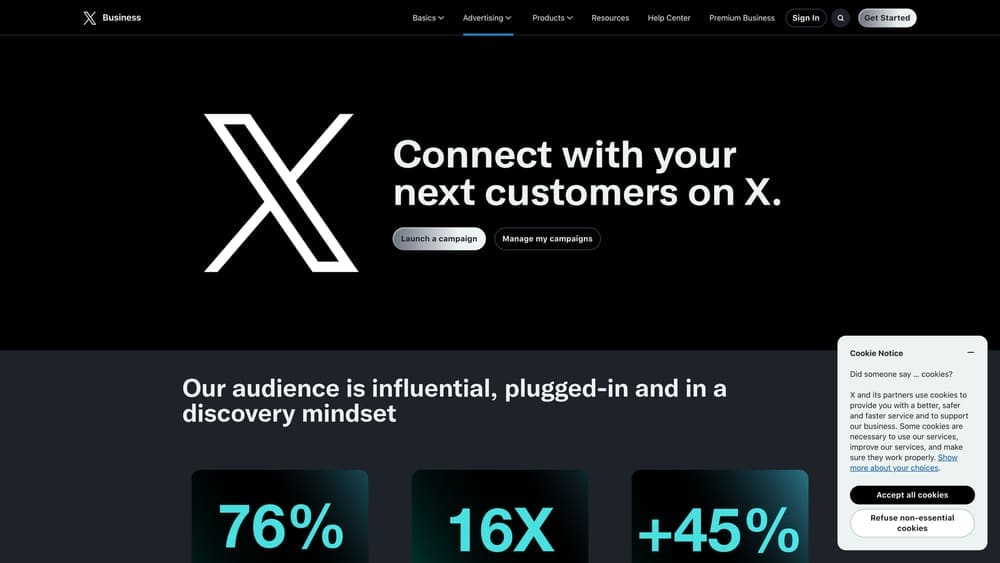
Social media advertising enables immediate interaction with audiences, making it ideal for brands looking to boost visibility quickly. By responding to trending topics or events, businesses can create timely content that resonates with users and encourages engagement.
Consider a brand that launches a campaign around a viral meme or trending topic. By aligning their messaging with the current conversation, they can achieve high visibility and engagement rates in a short period. For insights on how to improve ad performance on LinkedIn, explore our strategies.
The key to success in social media is agility—being able to pivot your strategy in response to real-time events can dramatically increase your brand’s impact. Additionally, a comparison of PPC vs SEO for lead generation can help in determining the best approach for your business.
5. Weighing the Pros and Cons
Best for: Understanding the strengths and challenges of each marketing channel.
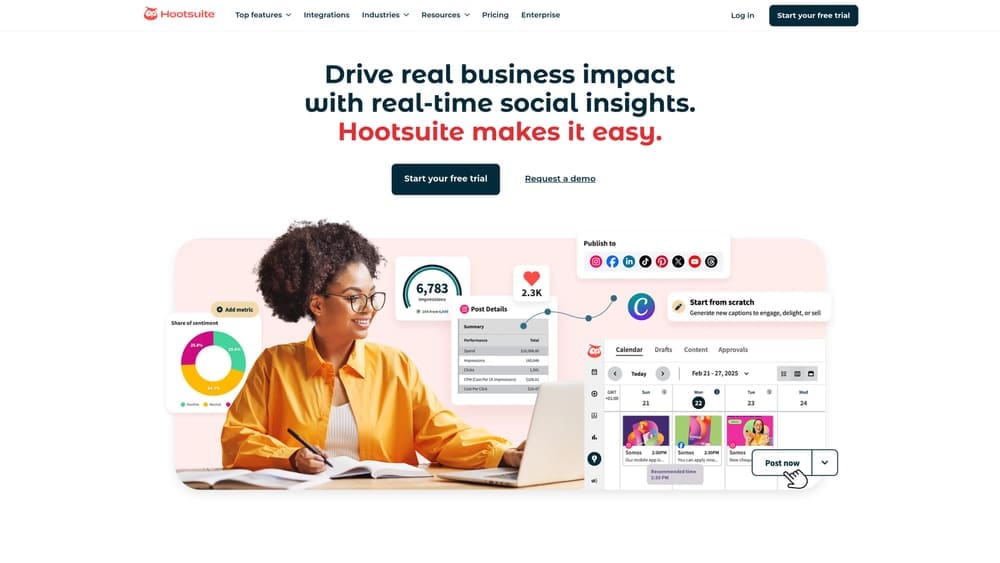
Hootsuite is a social media management platform that helps businesses navigate the complexities of social media advertising.
Each marketing channel has its advantages and challenges. Email marketing boasts a high ROI, with returns averaging $42 for every dollar spent, making it a cost-effective solution for many businesses. However, challenges like spam filters and email fatigue can impact effectiveness.
On the other hand, social media advertising offers rapid engagement and broad reach, but it can become costly, especially with high competition for ad space. Brands must continuously innovate to maintain audience interest.
By understanding these pros and cons, businesses can create balanced strategies that leverage the strengths of both channels while mitigating potential downsides.
6. Strategic Decision-Making: When to Use Each Channel
Best for: Aligning marketing strategies with business objectives based on specific goals.
Adobe Experience Cloud provides tools for analyzing marketing strategies and making informed decisions.
When deciding between email marketing and social media advertising, consider your specific marketing goals. If your objective is lead generation and nurturing, email marketing may be the better choice. Conversely, if you aim to raise brand awareness quickly, social media advertising could serve you well.
For example, a company launching a new product might use social media to create buzz and drive traffic to their website, while simultaneously using email to keep existing customers informed and engaged.
Understanding your target audience and their preferred platforms is crucial for crafting effective campaigns. Tailoring your approach based on these insights can lead to greater success.
7. The Synergy of Strategies: Integrating Email and Social Media
Best for: Creating a comprehensive marketing approach that leverages the strengths of both channels.
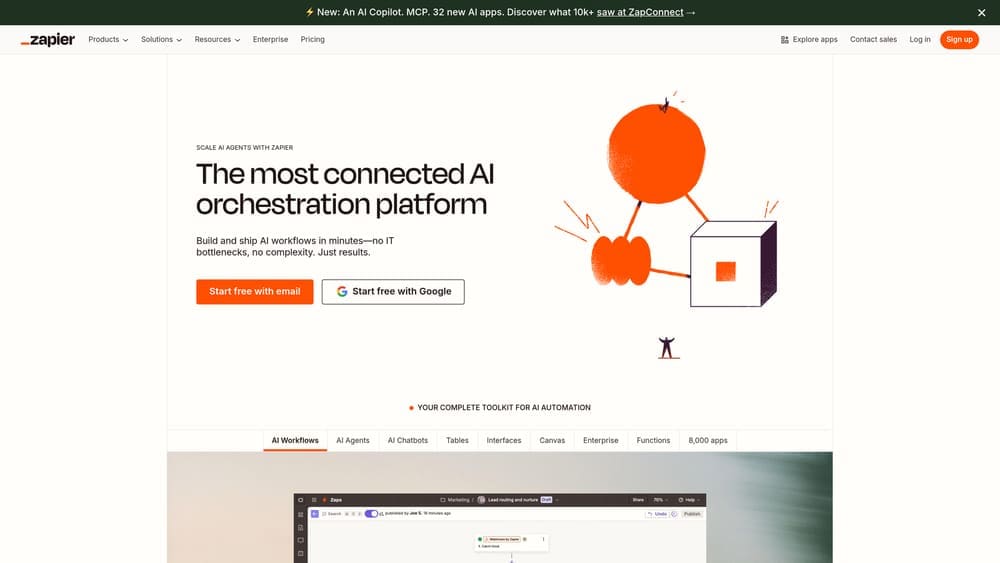
Zapier enables businesses to integrate their email and social media marketing efforts seamlessly.
Integrating email marketing and social media can create powerful synergies, enhancing your overall marketing effectiveness. For instance, using social media to promote your email newsletter can drive sign-ups, while email can nurture leads generated from social campaigns.
Consider a campaign where a brand shares exclusive content via email while using social media to tease this content, driving traffic back to their email list. This cross-promotion not only boosts engagement but also expands the reach of both channels.
By developing integrated strategies, businesses can maximize their marketing efforts and create a cohesive brand experience for their audience.
8. Wrapping Up: Your Marketing Strategy Blueprint
In summary, both email marketing and social media advertising offer unique advantages that can significantly impact your marketing success. Email marketing is invaluable for nurturing leads and fostering direct communication, while social media excels in achieving rapid engagement and brand visibility.
As you assess your marketing strategies, consider the specific goals you want to achieve and how each channel can support these objectives. Whether you focus on one channel or integrate both, leveraging their strengths can lead to better outcomes for your business.
Now is the time to evaluate your current marketing approach and consider how you can implement these insights to enhance your strategies.
Ready to elevate your marketing strategy? At Campaign Creatives, we specialize in blending email marketing and social media advertising to help businesses like yours thrive. Learn more about our services and discover how we can assist you in crafting a strategy that captivates and converts. Take the leap today and transform your marketing efforts into a success story!
Campaign
Creatives
quick links
contact
© 2025 Campaign Creatives.
All rights reserved.