campaign
creatives

8 Best Analytics Tools For Measuring Campaign Success To Prove Marketing ROI
Discover the leading analytics tools for measuring campaign success that transform fragmented data into clear ROI insights across your multi-channel marketing efforts.
You've just launched a $50,000 multi-channel marketing campaign across Google Ads, Facebook, email, and content marketing. Three weeks later, your boss asks the inevitable question: "What's our ROI?" Without proper analytics tools, you're left scrambling through disconnected dashboards, trying to piece together a story from fragmented data points.
This scenario plays out in marketing departments worldwide. The challenge isn't just tracking clicks or impressions—it's understanding which touchpoints actually drive valuable customer actions and how different channels work together to create conversions.
Modern marketing attribution has become increasingly complex as customers interact with brands across multiple devices and platforms before making purchasing decisions. A single customer might discover your brand through a social media ad, research on your website, subscribe to your email list, and finally convert after clicking a retargeting ad weeks later. Without sophisticated analytics tools, this journey remains invisible.
The right analytics platform transforms this complexity into clarity, providing actionable insights that help optimize budget allocation, improve campaign performance, and demonstrate clear ROI to stakeholders. Whether you're a small business tracking your first digital campaigns or an enterprise managing complex multi-channel strategies, choosing the right analytics tools can mean the difference between marketing success and budget waste.
Here are the leading analytics platforms that marketers use to measure, optimize, and scale their campaign success.
1. Google Analytics 4 (GA4)
Best for: Comprehensive website and app analytics with advanced attribution modeling
Google Analytics 4 represents the evolution of web analytics, offering sophisticated tracking capabilities that go far beyond traditional pageview metrics.
Where This Tool Shines
GA4 excels at tracking complex customer journeys across multiple touchpoints using machine learning to fill data gaps and provide predictive insights. Its enhanced measurement capabilities automatically track scroll depth, video engagement, and file downloads without additional code.
The platform's cross-platform tracking capability is particularly powerful for businesses with both web and mobile presence, providing a unified view of customer interactions. The data-driven attribution model helps marketers understand which campaigns truly drive conversions, moving beyond last-click attribution to show the full customer journey.
Key Features & Capabilities
Data-driven attribution modeling: Automatically assigns conversion credit across touchpoints based on actual impact rather than arbitrary rules.
Predictive analytics powered by machine learning: Forecasts user behavior including purchase probability and churn likelihood without manual configuration.
Cross-platform tracking for web and mobile apps: Unifies user behavior across websites and mobile applications into single reporting interface.
Enhanced ecommerce tracking: Provides detailed product performance metrics including views, cart additions, and purchase completion rates.
Custom event tracking without code modifications: Configure new tracking through interface rather than requiring developer involvement for every change.
Audience building for remarketing campaigns: Create sophisticated user segments based on behavior patterns for targeted advertising.
Integration with Google Ads: Seamlessly connects campaign data with conversion outcomes for automated bidding optimization.
Real-time reporting: Monitor campaign performance and user activity as it happens rather than waiting for batch processing.
Best For / Ideal Users
Perfect for businesses of all sizes seeking comprehensive analytics without upfront costs. The free tier provides enterprise-grade capabilities that smaller organizations couldn't otherwise afford.
Particularly valuable for companies running Google Ads campaigns, as the native integration enables sophisticated campaign optimization and audience targeting based on website behavior.
Content marketers benefit from detailed engagement metrics that show which topics resonate with audiences, while ecommerce businesses gain product-level performance insights that inform inventory and merchandising decisions.
Pricing
Free for most businesses, with Google Analytics 360 available for enterprise needs starting at $150,000 annually for organizations requiring guaranteed processing SLAs and advanced features.
2. Adobe Analytics
Best for: Enterprise-level analytics with advanced segmentation and real-time processing
Adobe Analytics stands as the premium choice for large organizations requiring sophisticated data analysis capabilities that go far beyond standard web analytics.
Where This Tool Shines
Adobe Analytics excels in handling massive data volumes while maintaining processing speed and accuracy. The platform processes billions of data points in real-time, meaning your team can monitor campaign performance and make adjustments within seconds of user interactions occurring.
The advanced segmentation engine allows marketers to create highly specific audience segments based on behavioral patterns, demographic data, and campaign interactions. Unlike tools with segment limits, Adobe Analytics supports unlimited custom segments without performance degradation. The workspace feature enables teams to create custom dashboards tailored to specific business objectives, making complex data accessible to stakeholders at all levels.
Key Features & Capabilities
Real-time data processing: Sub-second reporting enables immediate campaign optimization based on live performance data.
Attribution IQ: Apply multiple attribution models simultaneously to understand which touchpoints truly drive conversions across complex customer journeys.
Predictive analytics: Machine learning algorithms identify anomalies and forecast trends before they become obvious in standard reports.
Cross-device tracking: Identity resolution capabilities follow users across devices and platforms for complete journey visibility.
Custom calculated metrics: Build sophisticated business-specific KPIs combining multiple data points and dimensions.
Best For / Ideal Users
Ideal for enterprise organizations with complex marketing ecosystems spanning multiple channels, brands, and regions. Large ecommerce platforms processing high transaction volumes benefit from the platform's ability to handle massive data loads without performance issues.
Companies requiring advanced data governance and compliance features find Adobe Analytics particularly valuable. The platform provides enterprise-grade access controls, audit trails, and data residency options that meet strict regulatory requirements.
Pricing
Custom pricing based on data volume and features, typically starting around $48,000 annually for enterprise implementations. Implementation requires dedicated analytics team or external consultants.
3. HubSpot Analytics
Best for: Integrated marketing, sales, and service analytics with comprehensive attribution reporting
HubSpot Analytics provides a unified view of the entire customer lifecycle, from first website visit to closed deal and beyond.
Where This Tool Shines
HubSpot's strength lies in its ability to track prospects through the entire funnel, providing clear visibility into which campaigns generate leads and which leads convert to customers. The platform automatically attributes revenue to marketing touchpoints, helping teams understand the true ROI of their efforts.
Its integration with CRM data means marketing teams can see exactly how their campaigns impact sales outcomes, not just website metrics. The closed-loop reporting capabilities make it invaluable for businesses focused on lead generation and customer acquisition, eliminating the data silos that plague most organizations.
Key Features & Capabilities
Multi-touch attribution reporting: Distributes credit across all marketing touchpoints in the customer journey.
Revenue attribution: Connects marketing activities directly to closed deals and revenue outcomes.
Campaign performance tracking: Calculates ROI for individual campaigns with automated tracking.
Lead source analysis: Maps conversion paths showing how contacts discovered your business.
Custom report builder: Drag-and-drop interface for creating tailored reports without technical skills.
Platform integrations: Native connections with email, social media, and advertising platforms.
Automated UTM management: Campaign tracking parameters applied automatically across marketing assets.
Team dashboards: Performance tracking and goal monitoring for marketing and sales teams.
Best For / Ideal Users
Perfect for B2B companies focused on lead generation where connecting marketing efforts to sales outcomes is critical. Marketing teams needing to demonstrate clear ROI to executive stakeholders will find the revenue attribution capabilities particularly valuable.
Growing businesses wanting integrated marketing and sales analytics in one platform benefit from the unified data approach. Organizations already using HubSpot for marketing automation or CRM gain the most value from seamless data integration.
Pricing
Free tier available with basic reporting features. Paid plans start at $45/month for Marketing Hub Starter, with advanced analytics and attribution capabilities beginning at $800/month for Professional tier.
4. Mixpanel
Best for: Event-based analytics and user behavior tracking for digital products
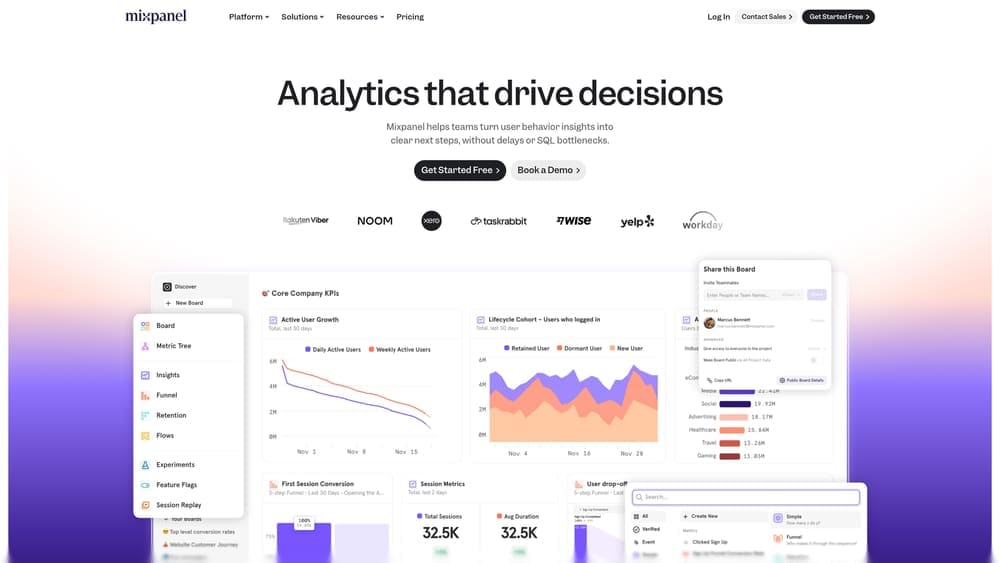
Mixpanel revolutionizes how businesses understand user interactions by focusing on events rather than pageviews, providing granular insights into user behavior and campaign effectiveness.
Where This Tool Shines
Mixpanel excels at tracking specific user actions and behaviors, providing insights that traditional analytics tools miss. Its cohort analysis capabilities help businesses understand user retention patterns, while funnel analysis identifies exactly where users drop off in conversion processes.
The platform's real-time capabilities mean teams can monitor campaign performance and user responses as they happen, enabling immediate optimization. The event-based tracking model provides much more granular data than traditional pageview analytics, showing not just that users visited a page, but what they actually did there.
Key Features & Capabilities
Event-based tracking: Record specific user actions with custom properties for granular behavior analysis.
Cohort analysis: Compare behavior of different user groups over time to understand retention patterns.
Funnel analysis: Identify conversion bottlenecks and drop-off points in user journeys.
A/B testing integration: Test variations with statistical significance analysis built in.
User segmentation: Create segments based on behavior patterns and user properties.
Real-time analytics: Monitor user behavior and campaign performance as it happens.
Custom dashboards: Build tailored views with advanced filtering for specific business questions.
Mobile analytics: Track app usage, push notification effectiveness, and in-app behavior.
Best For / Ideal Users
Perfect for SaaS companies tracking user engagement and product usage patterns. Particularly valuable for mobile app developers optimizing user experience and retention.
Digital product teams focused on conversion optimization and understanding feature adoption will find the granular event tracking invaluable. Marketing teams running campaigns to digital products can track exactly how campaign traffic behaves once they arrive.
Pricing
Free plan available for up to 25,000 monthly tracked users. Paid plans start at $25/month with enterprise options for larger organizations requiring advanced features and higher limits.
5. Salesforce Analytics Cloud (Tableau CRM)
Best for: Advanced data visualization and AI-powered insights for complex marketing ecosystems
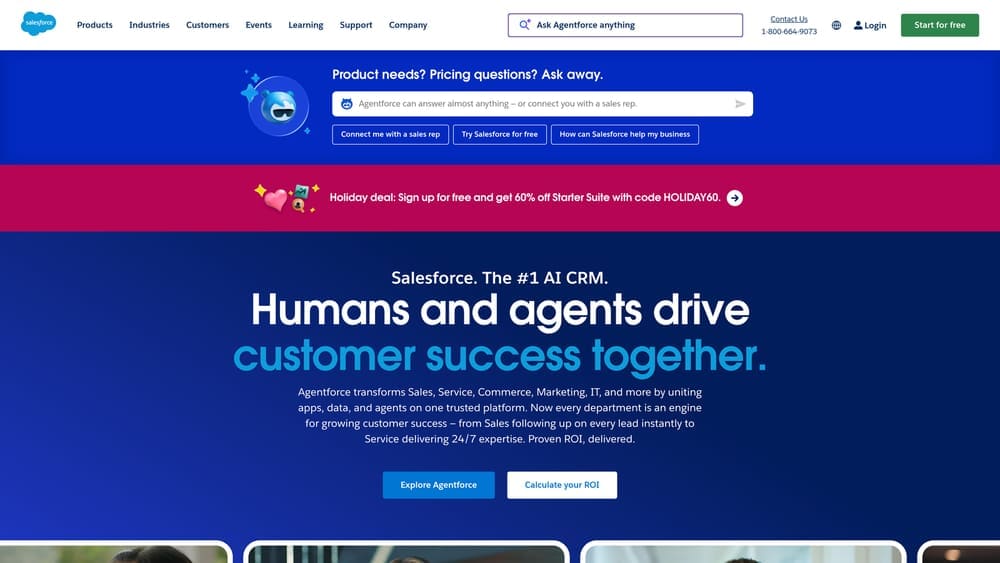
Salesforce Analytics Cloud combines Tableau's legendary visualization capabilities with Salesforce's comprehensive CRM data, creating a powerhouse analytics platform that transforms raw marketing data into strategic intelligence.
Where This Tool Shines
This platform excels at handling complex data relationships across multiple systems. Its Einstein AI engine doesn't just report what happened—it predicts what's likely to happen next and recommends specific actions to improve campaign outcomes.
The real magic happens when you combine marketing data with sales, service, and customer data. You're not just seeing which campaigns generated clicks—you're seeing which campaigns attracted customers who became long-term advocates, made repeat purchases, and generated the highest lifetime value. This complete view transforms campaign measurement from tactical reporting into strategic decision-making.
Key Features & Capabilities
Einstein Discovery AI: Automatically surfaces insights and patterns humans might miss, predicting campaign outcomes before full deployment.
Interactive Dashboards: Drag-and-drop visualization builder creates custom dashboards that update in real-time as campaign data flows in.
Multi-Source Integration: Connects data from advertising platforms, email systems, social media, and offline sources into unified reporting.
Predictive Analytics: Forecasts which campaigns will drive the highest ROI based on historical performance patterns and current market conditions.
Mobile-First Design: Access complete analytics capabilities from mobile devices, with offline functionality for reviewing data anywhere.
Collaborative Workspaces: Teams can share insights, annotate dashboards, and collaborate on analysis within the platform.
Custom App Development: Build specialized analytics applications tailored to specific business needs using the platform's development framework.
Best For / Ideal Users
Perfect for large enterprises managing complex marketing operations across multiple channels and regions. Organizations already invested in the Salesforce ecosystem gain immediate value through native CRM integration.
Particularly valuable for companies requiring predictive insights to guide budget allocation, marketing teams needing to demonstrate clear connections between campaigns and revenue, and businesses where data-driven decision-making drives competitive advantage.
Pricing
Analytics Studio starts at $75 per user monthly. Einstein Analytics, which includes AI-powered insights and predictive capabilities, begins at $150 per user monthly. Enterprise implementations typically require additional investment in setup and customization.
6. Amplitude
Best for: Product analytics and user journey optimization for digital experiences
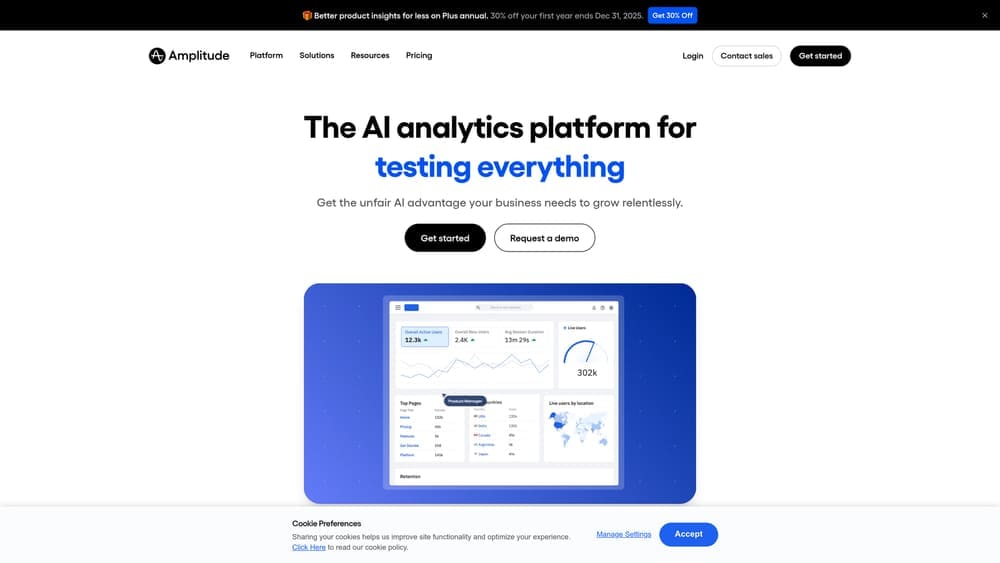
Amplitude is a digital analytics platform that helps businesses understand how users interact with their digital products through AI-powered behavioral analytics and experimentation tools.
Where This Tool Shines
Amplitude's behavioral analytics capabilities provide deep insights into user engagement patterns and product usage that traditional analytics tools miss. The platform excels at identifying which marketing campaigns attract users who become long-term, high-value customers rather than just generating one-time conversions.
Its cohort analysis and retention tracking help businesses understand the quality of traffic from different marketing channels, not just the quantity. This focus on user lifetime value helps marketers optimize for long-term success rather than short-term conversions, making it invaluable for companies where customer retention drives profitability.
Key Features & Capabilities
Behavioral Cohort Analysis: Compare user groups based on when they signed up or specific actions they took to understand retention patterns.
User Journey Mapping: Visualize detailed conversion paths showing how users navigate through your product and where they encounter friction.
Revenue Analytics: Connect product usage patterns directly to business outcomes and customer lifetime value.
Predictive Analytics: AI-powered insights forecast which users are likely to convert, churn, or become high-value customers.
Feature Experimentation: Built-in A/B testing with statistical analysis to measure impact of product changes on user behavior.
Session Replay: Watch actual user sessions to understand the experience behind the data and identify usability issues.
Cross-Platform Tracking: Unified analytics across web and mobile platforms for complete user journey visibility.
Best For / Ideal Users
Ideal for digital product companies and SaaS businesses where understanding user engagement drives growth strategy. Perfect for marketing teams focused on user quality over quantity metrics, and product teams optimizing onboarding flows and feature adoption.
Particularly valuable for companies implementing product-led growth strategies where user behavior within the product determines marketing success. Works best for organizations with technical resources to implement event tracking and analyze behavioral data.
Pricing
Free plan available for up to 10 million events per month with core analytics features. Paid plans start at $995/month for additional capabilities, higher event limits, and advanced features like predictive analytics and experimentation tools.
7. Hotjar
Best for: User experience analytics with heatmaps and session recordings
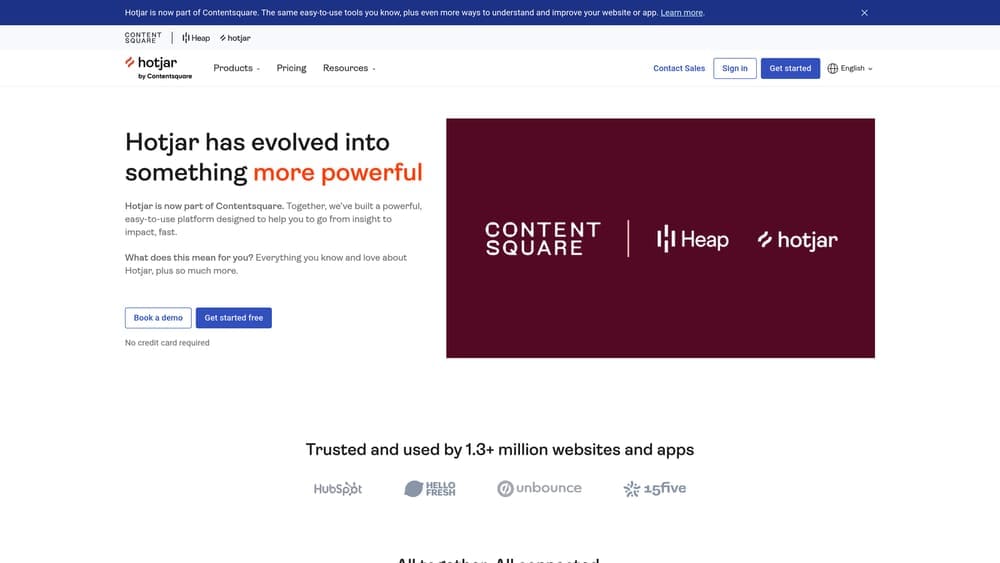
Hotjar is the next best thing to sitting beside someone browsing your site, providing visual analytics that show exactly how users interact with your campaign landing pages and conversion funnels.
Where This Tool Shines
Hotjar excels at answering the "why" questions that quantitative analytics can't address. While tools like Google Analytics tell you that users are leaving your landing page, Hotjar shows you exactly where they're clicking, how far they're scrolling, and what elements they're ignoring completely.
The platform's session recordings provide actual footage of user interactions, revealing friction points that would otherwise remain invisible. You might discover that users are clicking on non-clickable elements, missing your call-to-action button entirely, or abandoning forms at specific fields. These insights transform abstract bounce rates into concrete optimization opportunities.
Key Features & Capabilities
Heatmaps: Visual representations showing click patterns, scroll depth, and mouse movement across your pages.
Session Recordings: Watch real user sessions to understand behavior patterns and identify usability issues.
Conversion Funnels: Track user progression through multi-step processes and identify exact drop-off points.
Form Analytics: See which form fields cause hesitation, errors, or abandonment.
Feedback Polls: Collect direct user input through on-page surveys and feedback widgets.
Best For / Ideal Users
Perfect for UX teams optimizing campaign landing pages and conversion rate optimization specialists who need to understand user experience quality. Marketing teams running paid campaigns benefit significantly from Hotjar's ability to show whether expensive traffic is having the intended experience on destination pages.
The platform works exceptionally well for businesses that have traffic but struggle with conversions. If your analytics show high bounce rates or low conversion rates, Hotjar reveals the specific user experience issues causing these problems.
Pricing
Free plan available for basic features with limited daily session recordings. Paid plans start at $32/month, scaling based on the number of daily sessions recorded and advanced features needed.
8. Klaviyo Analytics
Best for: Email and SMS marketing analytics with advanced segmentation and revenue attribution
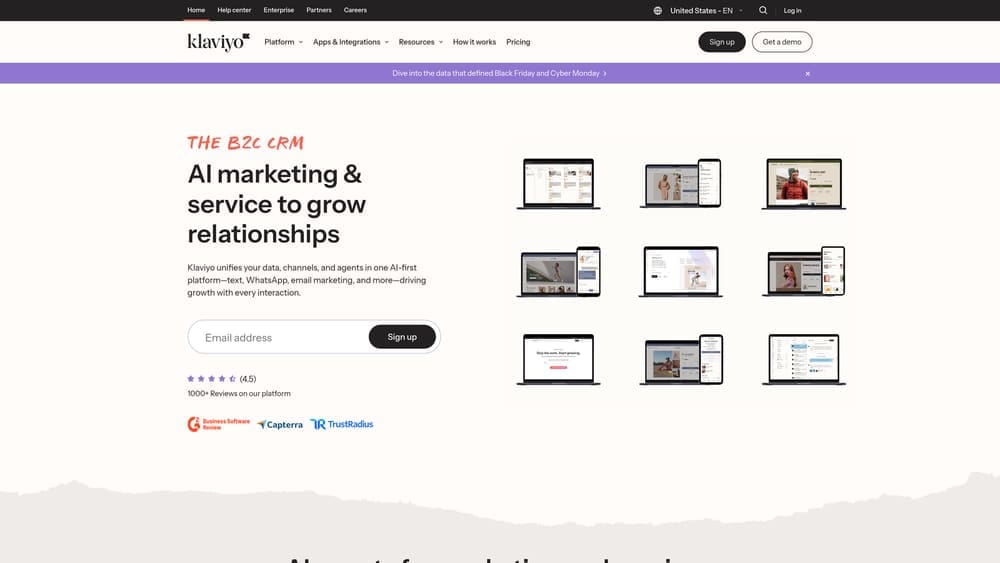
Klaviyo delivers sophisticated analytics specifically engineered for email and SMS marketing campaigns, with a laser focus on connecting messaging activities to actual revenue outcomes.
Where This Tool Shines
Klaviyo's attribution engine tracks the complete customer journey across email and SMS touchpoints, revealing how messaging campaigns influence purchases even when customers don't convert directly from a click. The platform captures view-through conversions—when someone sees your email, doesn't click, but purchases later—providing a more accurate picture of campaign impact than traditional click-based tracking.
The real-time segmentation capabilities set Klaviyo apart from generic email platforms. As customers browse your site, abandon carts, or make purchases, Klaviyo instantly updates their profiles and triggers relevant analytics. This behavioral tracking connects directly to revenue data, showing which segments generate the highest customer lifetime value and which campaigns drive repeat purchases.
Key Features & Capabilities
Multi-touch attribution modeling: Tracks email and SMS influence across the entire customer journey, not just last-click conversions.
Predictive analytics for CLV: Machine learning identifies high-value customers before they make multiple purchases, enabling targeted retention campaigns.
Real-time behavioral segmentation: Automatically groups customers based on browsing behavior, purchase history, and engagement patterns as they happen.
Revenue tracking per campaign: Shows exact dollar amounts generated by each email or SMS, including attributed revenue from view-through conversions.
A/B testing with statistical analysis: Built-in significance testing ensures you're making decisions based on reliable data, not random variation.
Best For / Ideal Users
Ecommerce businesses with active email marketing programs find Klaviyo's revenue attribution invaluable for proving marketing ROI. Direct-to-consumer brands benefit from the platform's ability to track customer lifetime value and optimize retention campaigns based on behavioral data.
Companies sending significant email volume—typically 50,000+ messages monthly—get the most value from Klaviyo's advanced analytics. The platform works particularly well for businesses selling consumable products where repeat purchase tracking matters more than one-time conversions.
Pricing
Free plan available for up to 250 contacts and 500 monthly email sends. Paid plans start at $20/month, with pricing scaling based on contact list size and email volume.
Putting It All Together
The analytics landscape offers solutions for every business size and marketing complexity level. Google Analytics 4 remains the go-to starting point for most organizations, providing comprehensive tracking without upfront costs. For enterprises managing massive data volumes and requiring real-time processing, Adobe Analytics and Salesforce Analytics Cloud deliver the horsepower needed for sophisticated analysis.
HubSpot Analytics stands out for B2B companies focused on connecting marketing efforts to revenue outcomes, while Mixpanel and Amplitude excel at tracking user behavior for digital products and SaaS platforms. Don't overlook specialized tools like Hotjar for qualitative insights and Klaviyo for email marketing attribution—sometimes the combination of a primary platform plus targeted tools delivers better results than one expensive enterprise solution.
The smartest approach? Start with one core platform that matches your primary measurement needs, then layer in specialized tools as your analytics maturity grows. Focus on platforms your team will actually use consistently rather than chasing the most feature-rich option. When implementing automated marketing solutions for small businesses, remember that actionable insights matter more than data volume.
Ready to transform how you measure campaign success? Campaign Creatives specializes in helping businesses implement analytics solutions that drive real results. Learn more about our services and discover how the right analytics tools can revolutionize your marketing ROI.
Campaign
Creatives
quick links
contact
© 2025 Campaign Creatives.
All rights reserved.