campaign
creatives

7 Essential Top Social Media Marketing Trends In 2025 To Boost Your Strategy
Discover the top social media marketing trends in 2025 that can help your business enhance engagement and adapt to changing consumer behaviors.
Navigating the Social Media Marketing Landscape of 2025
Imagine launching a new product on social media, only to discover that your target audience has shifted to a platform where your brand isn't present. This scenario highlights a common challenge many businesses face today: staying relevant in a rapidly changing digital landscape. As social media platforms evolve, so do consumer behaviors and preferences. Understanding the top social media marketing trends in 2025 is crucial for businesses aiming to engage effectively with their audience.
The importance of staying updated with these trends cannot be overstated. Brands that quickly adapt to emerging trends often see improved engagement rates and increased customer loyalty. Think of it like navigating a bustling city; if you're not aware of the latest routes and traffic patterns, you risk getting lost.
As we delve into these trends, it’s essential to recognize that social media marketing is much like a constantly changing landscape. Just as landscapes evolve over time, so do the strategies needed to succeed in social media. Staying informed about these changes will help you maintain a competitive edge and reach your audience effectively.
Let's dive into the top social media marketing trends in 2025 that can help you elevate your strategy.
1. The Rise of AI-Powered Marketing
Best for: Enhancing personalized marketing efforts through data analysis and automation.
HubSpot is a comprehensive marketing platform that leverages AI to enhance user experiences by delivering personalized content and automating various marketing tasks.
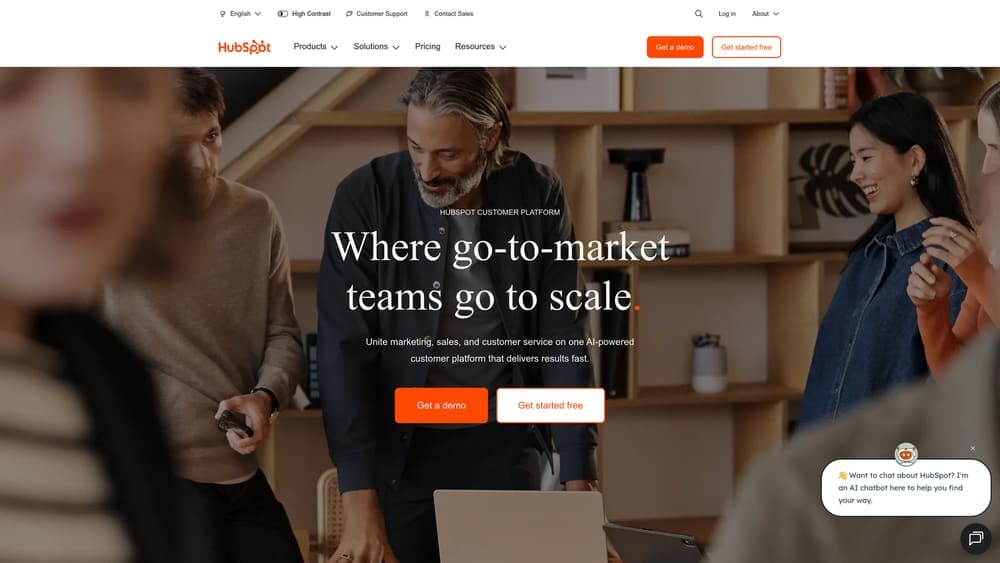
AI is revolutionizing how businesses approach social media marketing. With its ability to analyze vast amounts of user data, AI can help marketers tailor their strategies to meet the specific needs of their audience. For instance, AI-driven tools can assess customer preferences and behaviors, allowing businesses to create highly targeted advertising campaigns. To fully understand the benefits, you should explore how to measure ROI in digital advertising.
One of the standout features of AI in marketing is its capacity for predictive analytics. By analyzing past behaviors and trends, AI can forecast future actions, enabling brands to anticipate customer needs. This capability not only enhances personalization but also streamlines marketing efforts, making them more efficient.
However, while AI offers numerous benefits, there are challenges associated with its implementation. Many small businesses might find the initial investment in AI tools daunting. Despite the upfront costs, the long-term benefits often justify the expenditure. Brands that have successfully integrated AI into their marketing strategies report significant improvements in customer engagement and overall ROI.
2. Short-Form Video Dominance
Best for: Capturing audience attention quickly in a crowded digital space.
TikTok is a leading platform for short-form video content, allowing brands to engage with users through creative and entertaining videos.
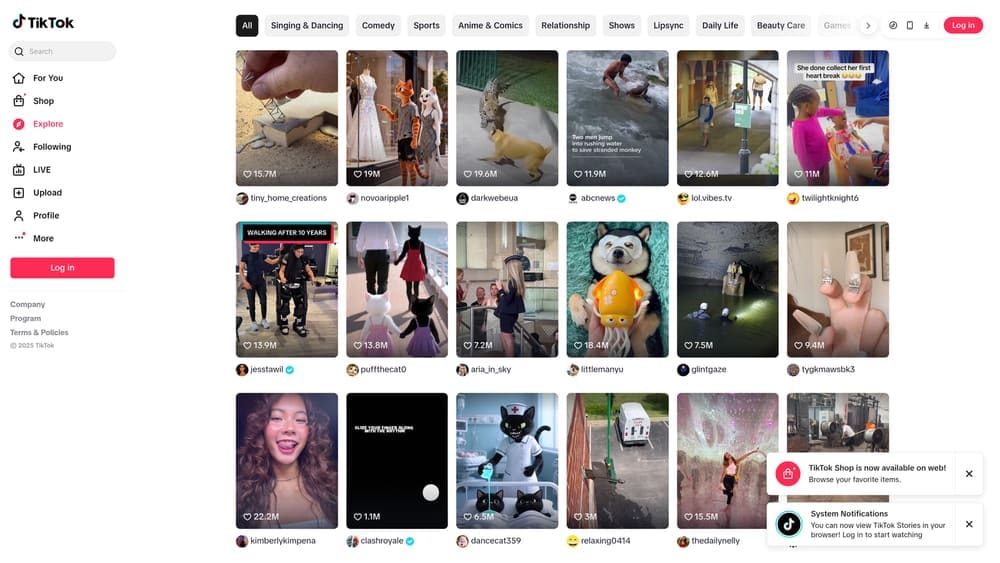
Short-form video content continues to dominate the social media landscape, with platforms like TikTok and Instagram Reels leading the charge. These formats have proven to be incredibly effective for brands looking to enhance engagement and attract new audiences. The key to success with short-form videos lies in their ability to convey messages quickly and engagingly. For practical advice on maximizing your video content's impact, check out tips for creating engaging video ads.
Brands that have embraced short-form video content often find that their campaigns go viral, significantly boosting brand awareness. For example, a recent campaign by a well-known beverage company utilized TikTok to create a challenge that encouraged user participation, resulting in millions of views and interactions.
However, while the benefits are substantial, there are challenges as well. The saturation of content on these platforms means that standing out can be difficult. Brands must develop a unique voice and style to differentiate themselves from competitors. Investing in user-friendly video creation tools can greatly improve production quality and efficiency, making it easier to keep up with content demands.
3. Social Commerce Expansion
Best for: Streamlining the shopping experience directly through social media platforms.
Instagram is a platform that has effectively integrated shopping features, allowing users to purchase products directly through the app.
Social commerce is rapidly redefining the shopping experience, enabling consumers to purchase products without leaving their favorite social media platforms. This trend has gained significant traction, especially among younger audiences who prefer seamless shopping experiences. Brands can leverage social commerce tools to showcase their products visually and engage directly with consumers. For more insights, explore why digital marketing is essential for e-commerce.
For instance, Instagram Shopping allows brands to create shoppable posts and stories, facilitating a direct path from discovery to purchase. By integrating these features into their marketing strategies, businesses can tap into immediate consumer interest and drive sales effectively.
However, the rapid growth of social commerce also presents challenges. Brands must manage customer inquiries and feedback through social channels, which can be overwhelming without proper systems in place. Training customer service teams to handle these interactions efficiently is crucial for success.
4. Authenticity and Transparency in Marketing
Best for: Building trust and long-lasting relationships with consumers.
Patagonia is known for its commitment to environmental sustainability and transparency, fostering a strong connection with its audience.
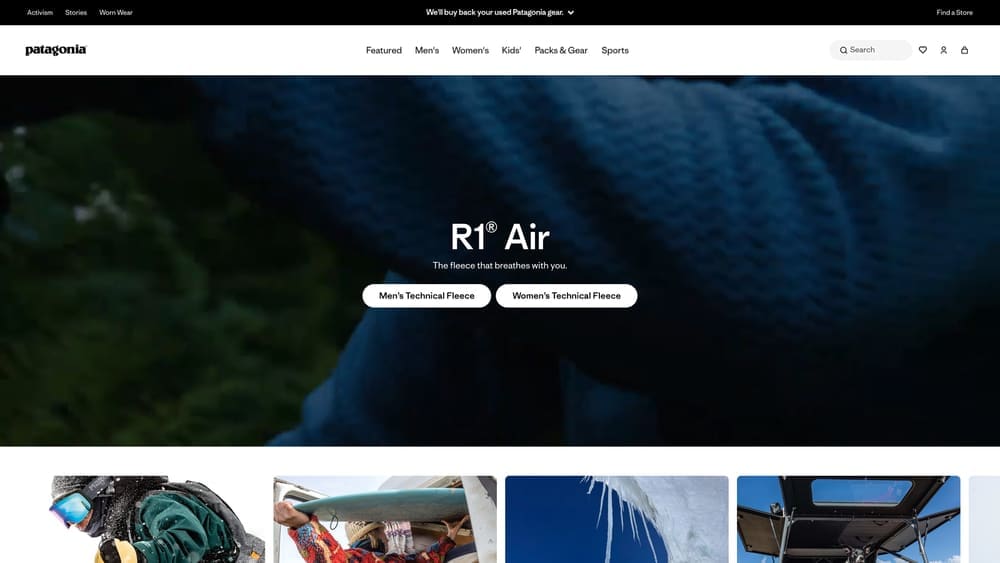
As consumers become more discerning, the demand for authenticity and transparency in marketing is on the rise. Brands that embrace these values often see increased customer loyalty and advocacy. Sharing behind-the-scenes content and being open about business practices can significantly enhance a brand's image. To enhance your transparency efforts, learn how to manage online reviews effectively.
For example, Patagonia has built a loyal customer base by sharing its environmental initiatives and the challenges it faces in maintaining sustainability. This level of transparency fosters trust and encourages consumers to support the brand’s mission.
However, maintaining authenticity can be challenging. Brands must be prepared for potential backlash if their transparency efforts are not genuine. Regularly assessing consumer feedback can help gauge the effectiveness of these initiatives and ensure that they align with customer expectations.
5. Influencer Marketing Evolution
Best for: Reaching niche markets through authentic partnerships.
AspireIQ is a platform that connects brands with influencers, facilitating meaningful collaborations.
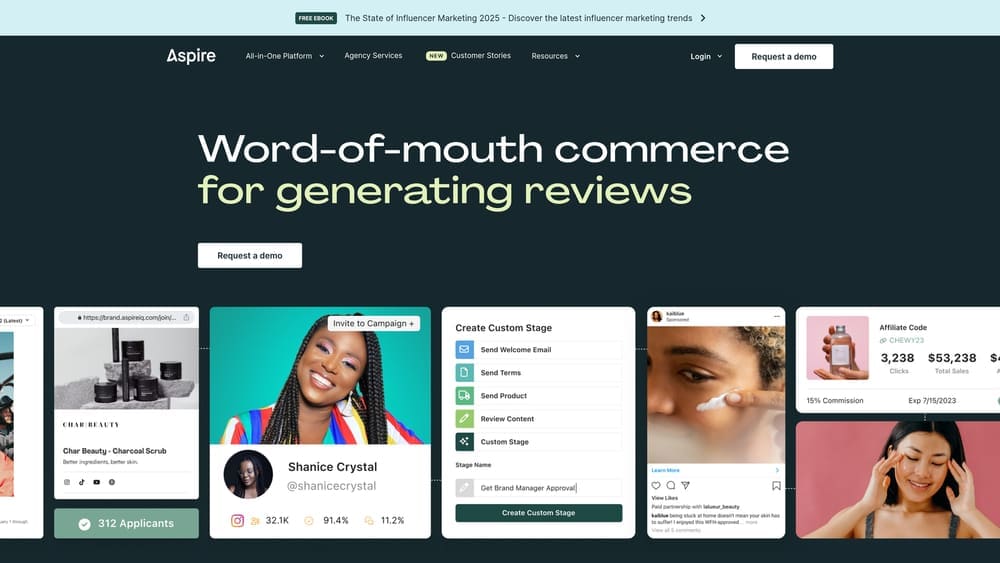
The landscape of influencer marketing is evolving, with a noticeable shift from macro-influencers to micro-influencers. Brands are realizing that partnering with smaller influencers can yield better engagement rates due to their more authentic connections with their audiences. Micro-influencers tend to have niche followings that are highly engaged, making them effective brand ambassadors. To explore innovative approaches to modern advertising, check out Best Alternatives to Traditional Advertising.
Brands that have successfully collaborated with micro-influencers often report significant increases in engagement and conversion rates. These partnerships allow brands to tap into specific markets and create more personalized marketing campaigns.
However, measuring the success of influencer campaigns can be complex. Brands must establish clear metrics to evaluate the effectiveness of these collaborations. Developing long-term relationships with influencers can also enhance authenticity and impact.
6. The Importance of Data Privacy
Best for: Building consumer trust through ethical data practices.
TrustArc provides data privacy compliance solutions to help brands navigate regulations effectively.
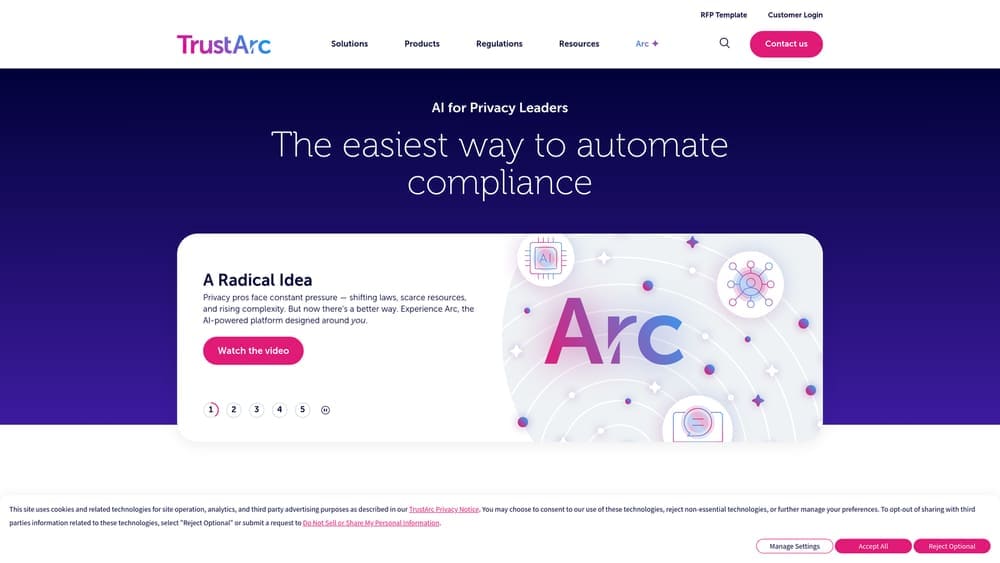
In an era where data breaches and privacy concerns dominate headlines, prioritizing data privacy is more important than ever. Consumers are increasingly aware of how their data is used, and brands that respect privacy will likely build stronger relationships with their audience. Implementing transparent data collection practices can enhance consumer trust significantly.
For example, brands that transparently communicate their data usage policies and ensure compliance with regulations such as GDPR are more likely to foster loyalty among consumers. By investing in compliance tools, businesses can protect consumer data and maintain a positive reputation.
However, balancing the need for data with consumer privacy concerns can be challenging. Brands must develop transparent data practices that build trust while still effectively gathering insights for marketing purposes.
7. Wrapping Up the Insights
Staying informed about social media trends is crucial for success in today's rapidly evolving digital landscape. Brands that adapt quickly are more likely to thrive amidst constant changes. As we've explored, the rise of AI, the dominance of short-form video, the expansion of social commerce, the demand for authenticity, and the importance of data privacy are key trends that businesses should consider in their marketing strategies.
To effectively integrate these trends into your marketing plans, develop a strategy that allows for flexibility and ongoing adaptation. Commit to continuous learning to keep your strategies fresh and effective, and ensure that you're leveraging the latest insights to engage your audience effectively.
Ready to take your marketing efforts to the next level? Learn more about our services and discover how we can help you navigate the ever-changing landscape of social media marketing.
Campaign
Creatives
quick links
contact
© 2025 Campaign Creatives.
All rights reserved.