campaign
creatives

Top 8 Creative Brief Template For Agencies To Eliminate Revisions And Align Stakeholders
Discover the leading creative brief template for agencies platforms that help capture crystal-clear creative direction, streamline collaboration, and prevent costly miscommunication between teams and clients.
Every agency creative director knows the sinking feeling. Your team just spent three weeks developing a brilliant campaign concept—only to have the client reject it because "that's not what we asked for." The culprit? A vague, incomplete creative brief that left too much open to interpretation.
Creative briefs are the foundation of successful agency work, yet many teams still rely on generic Word documents or scattered Google Docs that miss critical information. A poorly structured brief doesn't just waste time—it damages client relationships, demoralizes creative teams, and kills profitability.
Purpose-built creative brief templates have evolved dramatically. Modern solutions go beyond simple fillable forms to include collaboration features, approval workflows, and integration with project management tools. Whether you're a boutique agency handling five clients or a full-service shop managing dozens of campaigns simultaneously, the right template system can transform how you capture requirements and align stakeholders.
We've tested the leading creative brief platforms used by agencies in 2025, evaluating them on structure, collaboration capabilities, customization options, and real-world usability. Here are the top solutions that will help you capture crystal-clear creative direction the first time.
1. Monday.com
Best for: Agencies needing creative briefs integrated with full project management
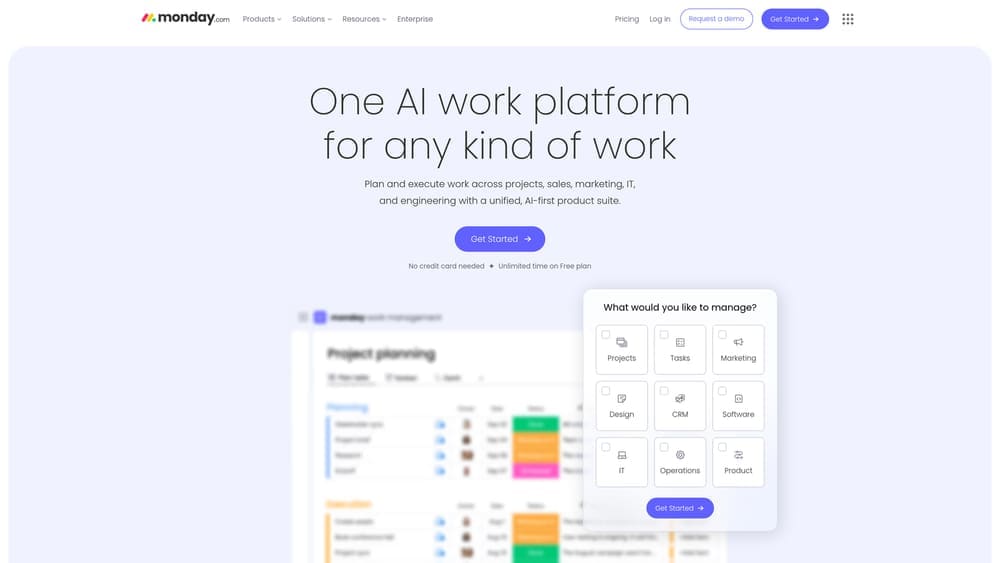
Monday.com offers creative brief templates as part of its comprehensive work operating system, making it ideal for agencies that want briefing and execution in one platform.
Where This Tool Shines
Monday.com's creative brief templates shine through their visual, customizable boards that make complex information digestible at a glance. The platform allows you to build briefs that automatically populate project timelines, assign tasks to team members, and track deliverables—all from the initial brief submission.
The status-based workflow means stakeholders can see exactly where each brief sits in the approval process, eliminating the "did you see my email?" follow-ups. The platform's flexibility lets you create different brief templates for various project types—social campaigns, video production, brand identity—while maintaining consistency in how information is captured.
Key Features & Capabilities
Customizable Brief Templates: Drag-and-drop field creation lets you design briefs that match your agency's specific workflow and terminology.
Automated Workflows: Trigger tasks, notifications, and project creation automatically when briefs move through approval stages.
Client-Facing Forms: External stakeholders can submit briefs through custom forms that populate your internal templates without accessing your workspace.
File Attachment Capabilities: Attach mood boards, reference materials, and brand guidelines directly to briefs for complete creative context.
Integration Ecosystem: Connect with 200+ tools including Slack, Google Drive, and Adobe Creative Cloud to maintain workflow continuity.
Timeline View: Visualize how brief deadlines connect to project milestones, making resource planning more strategic.
Collaborative Features: Use commenting and @mentions to refine briefs collaboratively before final approval.
Best For / Ideal Users
Monday.com works best for mid-sized to large agencies with 10+ team members that want to eliminate tool switching between briefing and project execution. It's particularly valuable for agencies with complex approval chains or those managing multiple client projects simultaneously.
Teams that appreciate visual organization and need robust reporting on brief-to-delivery timelines will find this platform indispensable. The AI-powered features help optimize project planning and provide risk visibility across campaigns.
Pricing
Plans start at $9 per user/month (billed annually) for the Basic tier, with the Standard plan at $12/user/month offering the automation and integration features most agencies need. A free plan is available with unlimited time and no credit card required, making it easy to test the platform's brief management capabilities before committing.
2. Asana
Best for: Agencies prioritizing simplicity and team collaboration in brief creation
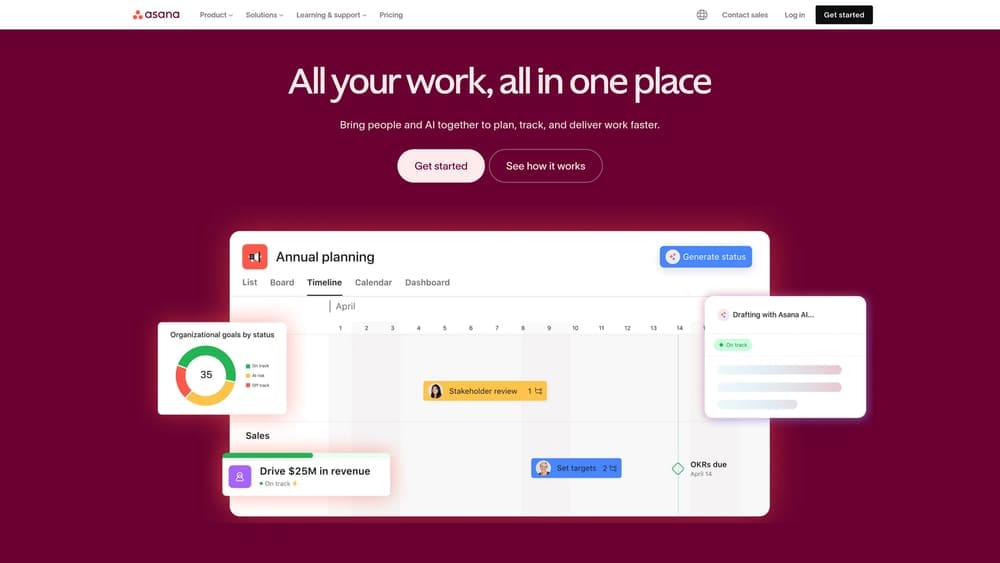
Asana provides structured creative brief templates within its work management platform, emphasizing clean organization and team alignment from anywhere.
Where This Tool Shines
Asana's creative brief templates excel at creating clarity through simplicity. The platform's form-based brief intake ensures no critical field gets overlooked, while the clean interface prevents information overload that can plague more complex systems.
What sets Asana apart is how briefs seamlessly become the source of truth for entire projects. Team members can reference the original brief without leaving their task view, and updates to the brief automatically notify relevant stakeholders. The platform's Rules feature can automatically route briefs through approval workflows, assign reviewers based on project type, and trigger reminders when briefs sit unapproved for too long.
Key Features & Capabilities
Pre-built creative brief templates: Customizable fields let you capture exactly what your agency needs without starting from scratch.
Form view for standardized intake: Clients or account teams submit briefs through structured forms that populate your template automatically.
Custom fields for campaign specifics: Track objectives, target audience, deliverables, and any agency-specific data points you need.
Multi-stage approval workflows: Route briefs through your review process with clear visibility into who needs to approve and where bottlenecks exist.
Portfolio view across clients: See all active briefs in a single view, making resource planning and priority management significantly easier.
Integration with creative tools: Connect with Figma, Adobe Creative Cloud, and Dropbox so reference materials and deliverables stay linked to the original brief.
Mobile app for on-the-go reviews: Approve briefs and leave feedback from anywhere, keeping projects moving even when you're not at your desk.
Best For / Ideal Users
Asana suits agencies of all sizes but particularly benefits teams that value straightforward, no-frills organization over feature complexity. It's ideal for agencies with distributed teams who need mobile access to briefs, and for creative directors who want to see all active briefs in a single portfolio view without navigating through multiple layers of menus.
The platform works especially well for agencies transitioning from scattered brief documents to a centralized system, as the learning curve is gentle and the interface feels intuitive rather than overwhelming.
Pricing
The Basic plan is free for up to 15 team members with limited features. The Premium plan ($10.99 per user monthly, billed annually) includes the custom fields and forms most agencies need for effective brief management. The Business tier ($24.99 per user monthly) adds advanced features like portfolios and workload management for larger operations.
3. Wrike
Best for: Enterprise agencies requiring advanced brief customization and reporting
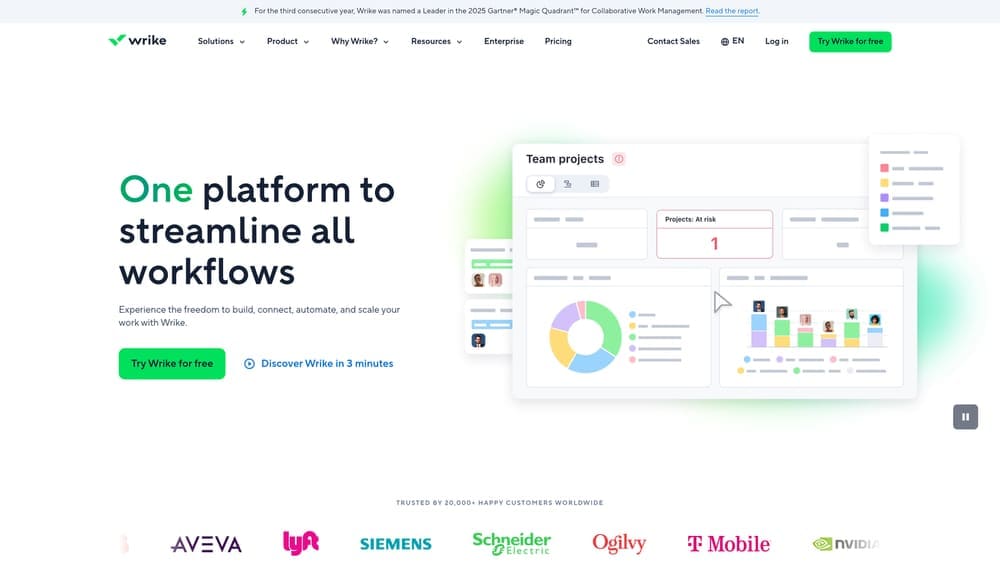
Wrike delivers powerful creative brief templates with enterprise-grade customization, approval routing, and analytics capabilities that connect briefing directly to project execution.
Where This Tool Shines
Wrike's creative brief functionality stands out for agencies that need sophisticated customization and detailed reporting. The platform allows you to build conditional logic into briefs—certain fields appear based on previous answers, ensuring teams only see relevant questions. This means a video production brief can automatically show different fields than a social media campaign brief, all within the same template structure.
Wrike's request forms can be embedded on your agency website, allowing clients to submit briefs directly that automatically create projects in your system. The reporting capabilities let you analyze brief completion rates, identify bottlenecks in approval processes, and track how long briefs sit before creative work begins. For agencies managing creative operations at scale, these insights are invaluable for process optimization.
Key Features & Capabilities
Dynamic Request Forms: Build intake forms with conditional logic and branching that adapt based on responses.
Custom Workflows: Automated brief routing sends submissions to appropriate approvers based on project type or client.
Proofing and Approval Tools: Review creative concepts directly against brief requirements within the platform.
Cross-Tagging: Link briefs with related projects and campaigns for comprehensive visibility.
Real-Time Dashboards: See brief status across all clients with customizable views and filters.
Integration Capabilities: Connect with Adobe Creative Cloud, Microsoft Teams, and Salesforce for seamless workflow.
Advanced Permissions: Grant client access to specific briefs only while maintaining security.
Best For / Ideal Users
Wrike is best suited for established agencies with 20+ team members handling complex, multi-stakeholder projects. It's particularly valuable for agencies with rigorous compliance requirements or those needing detailed audit trails of brief changes and approvals.
Marketing departments within larger organizations also benefit from Wrike's enterprise features, especially when managing multiple agency relationships or coordinating briefs across departments.
Pricing
Professional plans start at $9.80/user/month (billed annually) with basic brief templates. Business tier ($24.80/user/month) includes the advanced customization and automation features most agencies require. Enterprise pricing with dedicated support is available for larger organizations.
4. Notion
Best for: Agencies wanting flexible, document-style briefs with collaborative editing
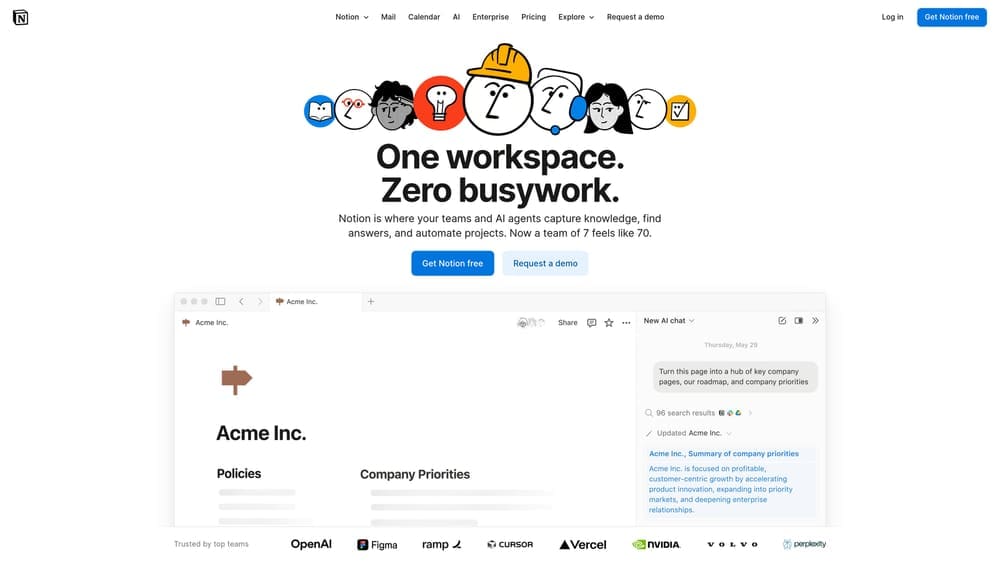
Notion offers highly customizable creative brief templates within its AI-powered workspace, perfect for agencies that prefer briefs to feel like comprehensive strategy documents rather than rigid forms.
Where This Tool Shines
Notion transforms creative briefs from simple checklists into living strategy documents that provide full context. You can embed mood boards directly into your brief, link to competitive research, add video references, and create rich text descriptions that help creative teams understand not just what to deliver, but why it matters. The platform's database functionality means you can build a master brief repository with multiple views—see all active briefs in a gallery format, filter by client or campaign type, or track upcoming deadlines in a calendar view.
The collaborative editing experience sets Notion apart. Multiple stakeholders can refine a brief simultaneously, with inline comments and suggestions tracked in real-time. When your account director adds client feedback, your creative director can respond directly in the document without email threads. The AI features can help generate brief sections, summarize meeting notes into brief requirements, or search across all your briefs to find similar past projects.
Key Features & Capabilities
Customizable Templates: Build brief templates with any combination of text, images, embeds, and databases—no field limitations.
Database Views: Organize briefs as tables, galleries, calendars, or timelines depending on what you need to see.
AI Assistance: Use custom AI agents to draft brief sections, extract requirements from meeting notes, or find relevant past briefs.
Rich Media Support: Embed Figma files, YouTube videos, Google Drive folders, and mood boards directly in briefs.
Relation Properties: Link briefs to projects, clients, team members, and deliverables to maintain context.
Version History: Track every change made to briefs with full revision history and restore capabilities.
Public Sharing: Create client-facing brief views with controlled permissions for external collaboration.
Best For / Ideal Users
Notion works best for small to mid-sized agencies (5-25 people) that value comprehensive documentation and context over rigid workflows. It's ideal for agencies with strong writing cultures where briefs include extensive background research, strategic rationale, and reference materials. Creative directors who want to provide narrative context—not just bullet points—will appreciate Notion's document-first approach.
The platform particularly suits agencies working on brand strategy, content marketing, or editorial projects where understanding the full story matters as much as the deliverable specifications. Teams that already use Notion for other documentation will find the brief templates integrate naturally into their existing workspace.
Pricing
The free plan supports small teams with basic features and limited file uploads. The Plus plan ($8/user/month billed annually) includes unlimited file uploads and 30-day version history—sufficient for most small agencies. The Business plan ($15/user/month) adds advanced permissions, bulk export, and SAML SSO for agencies requiring enterprise features.
5. Workamajig
Best for: Full-service agencies needing briefs integrated with financial management
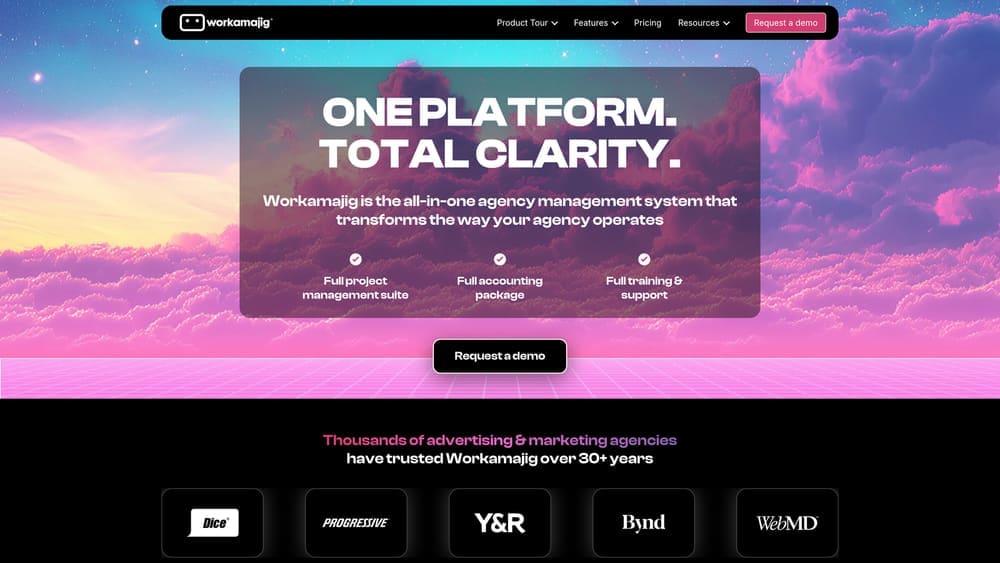
Workamajig provides creative brief templates as part of its comprehensive agency management platform, connecting briefs directly to project budgets and profitability tracking.
Where This Tool Shines
Workamajig's creative brief functionality is purpose-built for agencies, with templates that capture not just creative requirements but also budget parameters, estimated hours, and resource allocation. When a brief is approved, the platform can automatically generate project budgets, assign team members based on availability, and create time-tracking codes—connecting creative direction to financial reality from day one.
The platform's traffic management features mean production managers can see all active briefs and their associated deadlines in one view, making resource planning significantly easier. For agencies tired of disconnected systems where briefs live in one tool and project financials in another, Workamajig's integrated approach eliminates data silos and provides total clarity across operations.
Key Features & Capabilities
Agency-specific brief templates: Customizable fields capture budget constraints, resource requirements, and profitability targets alongside creative direction.
Automatic project creation: Approved briefs trigger project setup with budgets, timelines, and team assignments already configured.
Financial integration: Time tracking and expense management connect directly to original brief parameters for real-time profitability monitoring.
Client portal access: Clients can submit briefs and approve creative work through a branded portal without accessing internal systems.
Traffic management dashboard: Production managers see all active briefs, resource allocation, and deadline conflicts in one centralized view.
Customizable approval workflows: Route briefs through different approval chains based on client type, project size, or service offering.
Historical brief archive: Search past briefs to reference similar projects, reuse successful approaches, or track client evolution over time.
Best For / Ideal Users
Workamajig is ideal for established full-service agencies (15+ people) that need to connect creative briefs with project profitability. It's particularly valuable for agencies billing by the hour or managing complex retainer relationships where scope creep is a concern.
Operations managers and agency principals who need visibility into how brief requirements impact resource allocation will find this platform essential. If you're tracking utilization rates, monitoring project margins, or trying to understand which types of projects are most profitable, Workamajig's brief-to-budget connection provides the data you need.
The platform works best for agencies that have outgrown simpler project management tools and need comprehensive agency management capabilities—not just brief templates, but the entire operational infrastructure.
Pricing
Workamajig pricing is customized based on agency size and needs, typically starting around $38/user/month for comprehensive agency management features. Contact their sales team for specific pricing based on your requirements.
6. Milanote
Best for: Creative agencies preferring visual, mood board-style briefs
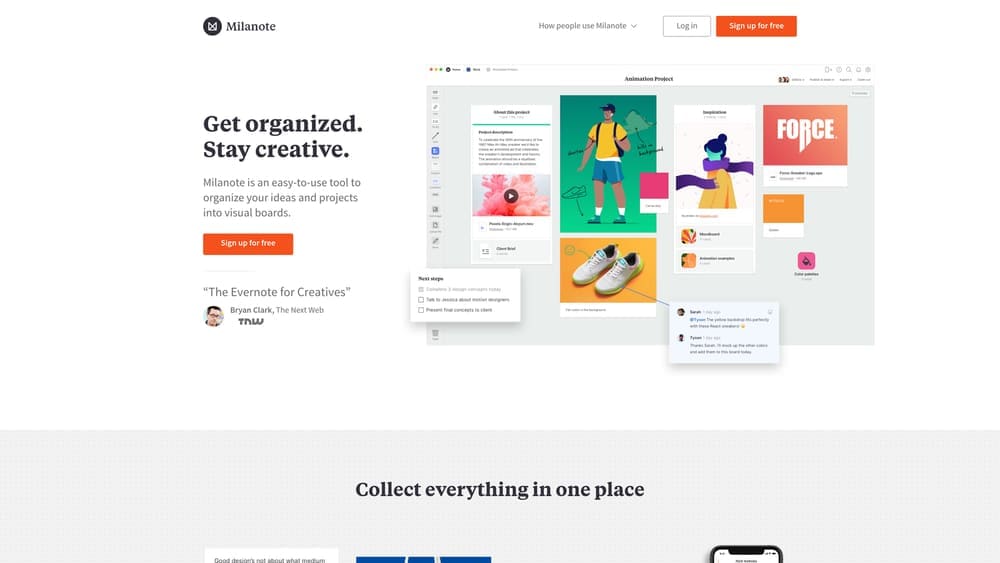
Milanote is an easy-to-use tool to organize creative ideas and projects into visual boards, designed specifically for creative professionals who think in images, colors, and spatial relationships.
Where This Tool Shines
Milanote transforms creative briefs from text-heavy documents into visual inspiration boards that creative teams actually want to reference. You can drag and drop images, color palettes, competitor examples, and reference links directly into your brief template, creating a rich visual context that traditional form-based tools can't match.
The infinite canvas approach means briefs can grow organically—add a new section for tone and voice examples, cluster related inspiration together, or create separate areas for different deliverables within a campaign. For agencies working on brand identity, packaging design, or any visually-driven work, Milanote's approach helps ensure creative teams understand not just what to create, but the aesthetic direction and emotional tone the work should convey.
Key Features & Capabilities
Visual Board Organization: Arrange brief elements spatially on an infinite canvas, grouping related inspiration and requirements together naturally.
Multi-Format Content Support: Add notes, images, links, files, and to-do lists all in one place, creating comprehensive visual briefs.
Web Clipper Integration: Save content directly from the web into your briefs, capturing competitor examples or reference materials instantly.
Mobile Capture: Add notes and photos from your phone when inspiration strikes, ensuring no creative direction gets lost.
Template Library: Access pre-built creative brief structures designed for visual projects, then customize to your agency's needs.
Real-Time Collaboration: Multiple team members can work on briefs simultaneously, with changes appearing instantly for all collaborators.
PDF Export: Convert visual briefs into presentation-ready PDFs for client meetings or archival purposes.
Best For / Ideal Users
Milanote is perfect for boutique creative agencies (3-15 people) focused on brand design, packaging, or visual identity work. It's ideal for creative directors who think visually and want briefs that inspire rather than just inform.
Teams that value aesthetic exploration and need to communicate subjective qualities like "premium feel" or "playful energy" will find Milanote's visual approach invaluable. If your creative process starts with mood boards and visual references, Milanote lets you build those directly into your brief structure.
The platform particularly suits agencies where designers, photographers, and visual creatives lead projects, rather than account managers or project coordinators who might prefer more structured, form-based approaches.
Pricing
Free plan includes up to 100 notes, images, and links—sufficient for small agencies testing the platform. Pro plan ($9.99/month per user) offers unlimited content and is the tier most agencies need for ongoing brief management.
7. Smartsheet
Best for: Agencies needing spreadsheet-style brief management with automation
Smartsheet provides creative brief templates in a familiar spreadsheet interface enhanced with project management capabilities and powerful automation.
Where This Tool Shines
Smartsheet appeals to agencies comfortable with spreadsheet-style organization but needing more sophisticated brief management capabilities. The platform's grid view makes it easy to see all active briefs in a single sheet, with columns for client, project type, deadline, status, and assigned creative director.
What elevates Smartsheet beyond basic spreadsheets is its automation—when a brief's status changes to "approved," the system can automatically notify the creative team, create a project timeline, and send a confirmation to the client. The form builder allows you to create intake forms that populate your brief sheet, while conditional formatting highlights briefs approaching deadlines or stuck in approval.
For agencies with team members who love spreadsheets but need collaborative features and automation, Smartsheet bridges the gap perfectly. The platform's multiple view options mean you can see briefs as a traditional grid, switch to Gantt chart view to connect briefs to project timelines, or create card view for a more visual workflow board.
Key Features & Capabilities
Spreadsheet-style brief templates: Familiar grid interface with enhanced functionality for tracking multiple briefs simultaneously.
Form builder for standardized intake: Create custom forms that clients or account teams fill out, automatically populating your brief sheet.
Automated workflows and approval routing: Set up rules that trigger notifications, status changes, and task creation based on brief updates.
Gantt chart view: Connect brief deadlines to project timelines, showing dependencies and resource allocation.
Dashboard creation: Build executive-level dashboards showing brief status, approval bottlenecks, and project pipeline across all clients.
Integration capabilities: Connect with Microsoft 365, Google Workspace, Slack, and other tools your team already uses.
Proofing tools: Review creative work directly against brief requirements without leaving the platform.
Best For / Ideal Users
Smartsheet works well for agencies of all sizes but particularly benefits teams with members who prefer spreadsheet organization. Many project managers appreciate the ability to track multiple briefs across clients in a single, sortable view.
The platform is ideal for agencies requiring detailed reporting on brief volume, approval times, and project pipeline. Operations managers who need to identify process bottlenecks or demonstrate workflow efficiency to leadership will find Smartsheet's reporting capabilities valuable.
Teams that need role-based visibility—where account managers see all briefs but creative directors only see briefs assigned to their team—benefit from Smartsheet's permission controls.
Pricing
Pro plan ($7/user/month annually) includes basic brief templates and forms. Business plan ($25/user/month) adds the automation and integration features most agencies need. Enterprise pricing available for larger organizations requiring advanced security and governance features.
8. Filestage
Best for: Agencies prioritizing streamlined brief approval and creative review
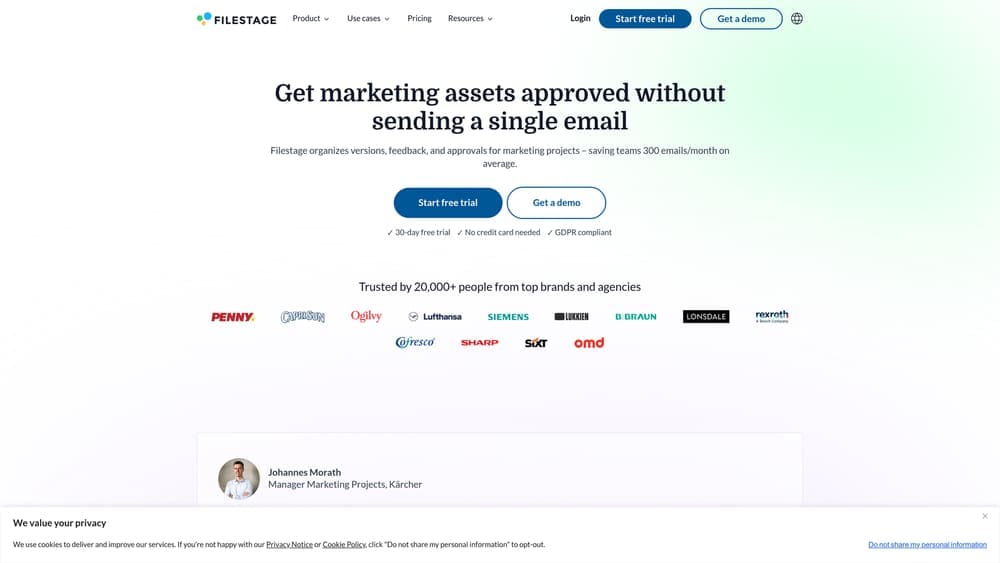
Filestage specializes in approval workflows, offering creative brief templates designed to move quickly through stakeholder review without the email chaos that typically bogs down agency projects.
Where This Tool Shines
Filestage's creative brief templates are built around one core strength: getting approvals fast. The platform's review interface makes it dead simple for clients and internal stakeholders to approve briefs—they can leave comments on specific sections, request changes, or approve with a single click, all without needing to learn complex software.
The version control system automatically tracks brief iterations, so you can see exactly what changed between version 1 and the final approved brief. For agencies frustrated by briefs languishing in approval limbo while teams wait to start work, Filestage's focused approach eliminates the bottleneck that kills momentum.
Key Features & Capabilities
Streamlined Approval Interface: Clients and stakeholders can review and approve briefs without creating accounts or learning new software—just click the link and approve.
Multi-Stage Review Workflows: Set up sequential or parallel approval stages with different stakeholders at each level, with automated routing between stages.
Version Comparison: Track every change made to briefs across versions, making it easy to see what evolved during the approval process.
Automated Reminders: The platform sends automatic reminder emails to reviewers who haven't responded, eliminating the need for manual follow-ups.
Contextual Comments: Stakeholders can leave feedback on specific brief sections rather than vague email responses, making revisions more actionable.
Approval Deadline Tracking: Set due dates for each approval stage and get alerts when deadlines approach or are missed.
Best For / Ideal Users
Filestage works for agencies of any size that struggle with slow brief approvals. It's particularly valuable for agencies managing multiple client stakeholders who need to sign off on briefs, or teams working with enterprise clients where approval chains involve several departments.
Creative directors who spend too much time chasing approvals will appreciate how Filestage keeps projects moving. Account managers dealing with clients who "need to run it by the team" will find the multi-stakeholder workflow invaluable.
Pricing
Filestage offers a 30-day free trial with no credit card required. Paid plans are customized based on team size and needs—contact their sales team for specific pricing tailored to your agency's requirements.
Making the Right Choice
The right creative brief template depends on how your agency actually works. If you need briefing and execution in one place, Monday.com or Asana deliver seamless workflows that connect requirements to deliverables. For visual-first agencies where mood boards matter as much as objectives, Milanote transforms briefs into inspiration that creative teams actually reference. Enterprise shops managing complex approval chains will find Wrike's conditional logic and reporting invaluable.
Small agencies (under 10 people) typically thrive with Notion or Milanote—flexible, affordable, and quick to implement. Mid-sized teams (10-30 people) benefit from Monday.com or Asana's balance of structure and collaboration. Larger agencies or those needing financial integration should explore Workamajig or Wrike's enterprise features.
The common thread? Every platform here eliminates the scattered emails and vague Word documents that lead to misaligned expectations. Start by identifying your biggest brief pain point—slow approvals, lack of visual context, or disconnected project handoffs—then choose the tool that directly addresses it.
Your creative team deserves clear direction from day one. The right brief template system doesn't just save time—it protects relationships, reduces revisions, and ensures every project starts with aligned expectations. Learn more about our services and how we help agencies streamline their creative operations.
Campaign
Creatives
quick links
contact
© 2025 Campaign Creatives.
All rights reserved.