campaign
creatives

6 Essential Insights Into Facebook Ads Vs Google Ads Effectiveness
This article breaks down the key factors influencing Facebook Ads vs Google Ads effectiveness, helping you choose the best platform to maximize your advertising ROI.
Imagine a scenario where selecting the right advertising platform could double your return on investment. What if that choice could transform your marketing strategy overnight? In today's digital landscape, businesses are faced with a critical decision: should they invest in Facebook Ads or Google Ads? Understanding the strengths and weaknesses of each platform is essential for maximizing advertising effectiveness. With billions of users across both platforms, the potential reach is immense, but targeting the right audience with the right message is key.
This article provides a comprehensive analysis of Facebook Ads and Google Ads, equipping you with the insights needed to make informed marketing decisions that boost ROI. By the end, you'll know exactly how to leverage the strengths of each platform to your advantage, whether you're focused on brand awareness or direct sales.
Below, we've curated key insights to help you navigate the complex world of Facebook Ads and Google Ads effectiveness, ensuring your advertising dollars work harder for you. Let's dive into the top 6 aspects of Facebook Ads vs. Google Ads effectiveness.
1. Platform Fundamentals - Facebook vs Google
Best for: Business owners looking to understand the fundamentals of each platform.
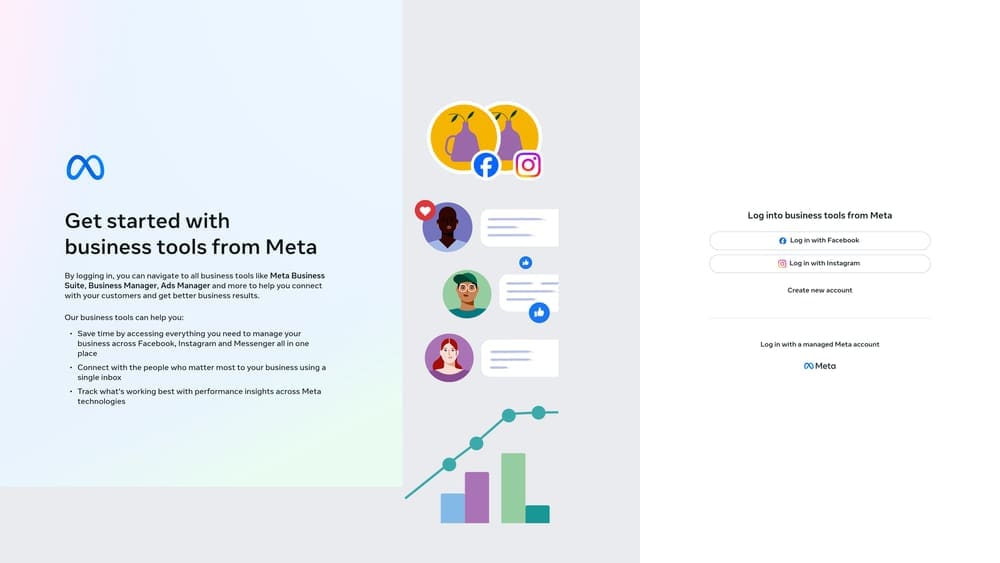
Facebook Ads is a powerful social media advertising platform that allows businesses to target specific demographics and interests.
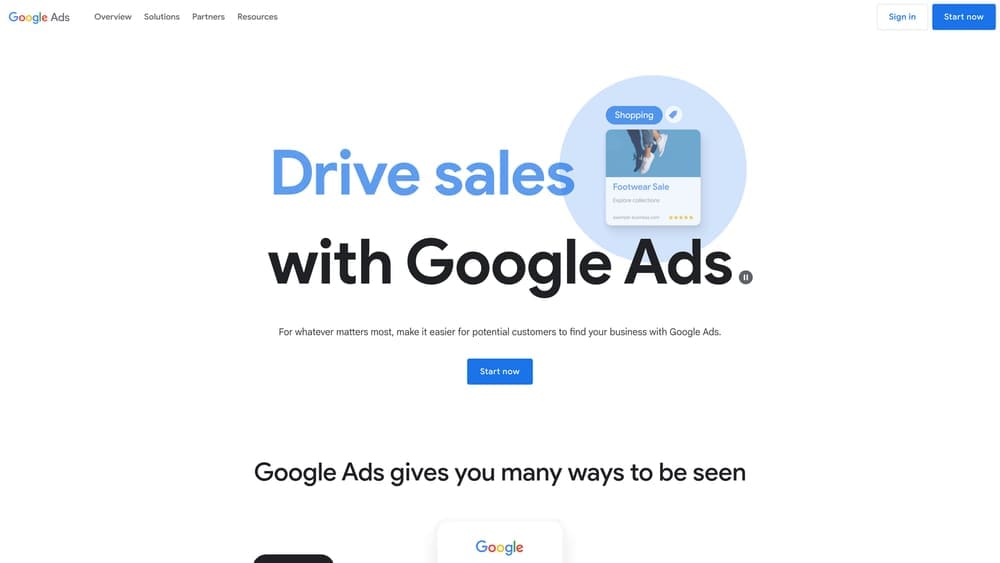
Google Ads focuses on capturing users' search intent by displaying ads in search results and across the Google Display Network.
Understanding user intent and engagement can significantly influence advertising success. Facebook Ads primarily target users based on their interests, behaviors, and demographics, making it an ideal choice for brands looking to engage with potential customers on a more personal level. In contrast, Google Ads is designed to capture users actively searching for specific products or services, making it the go-to platform for businesses focused on immediate conversions.
For example, a small business selling handmade crafts might find more engagement on Facebook, where they can showcase their products visually to users interested in arts and crafts. Meanwhile, a plumbing service would benefit more from Google Ads by targeting users searching for "emergency plumber" during a crisis.
Recognizing the primary use cases for each platform can help align your marketing goals effectively. Understanding your audience's preferences and behavior is crucial, as detailed in our discussion on why digital marketing is essential for e-commerce.
2. Targeting Precision - Who Can You Reach?
Best for: Marketers wanting to refine their targeting strategies.
Advanced targeting can significantly enhance ad performance and ROI. Facebook's targeting features allow businesses to reach specific audiences based on detailed demographic information, interests, and behaviors. Advertisers can create highly customized ads that resonate with their target market.
For instance, a local coffee shop can use Facebook's geo-targeting capabilities to reach users within a specific radius who have shown interest in coffee-related content. Additionally, Facebook’s lookalike audiences enable marketers to find new potential customers by targeting users similar to their existing customer base.
On the other hand, Google Ads excels at intent-based targeting, allowing advertisers to reach users actively searching for specific keywords. This means that a user typing "buy running shoes" into Google is likely further along in the buying process and ready to convert. Advertisers can utilize keyword targeting to ensure their ads appear when users are searching for relevant products or services.
An online retailer can leverage Google Ads to target users searching for specific products, leading to higher conversion rates. Understanding when to use each platform's targeting capabilities can lead to more effective ad strategies.
For deeper insights into Facebook's targeting, explore our advanced targeting techniques for Facebook Ads.
3. Creativity Unleashed - Ad Formats and Engagement
Best for: Creative teams and marketers focused on ad design.
Creativity plays a crucial role in engagement and conversion rates. Facebook offers a diverse range of ad formats tailored to various marketing objectives. From image ads to video ads, carousel ads, and slideshow ads, each format serves specific campaign goals—from brand awareness to direct conversions.
For example, a fashion retailer might utilize carousel ads to showcase multiple products in one campaign, allowing users to swipe through images. This format is highly engaging and encourages interaction, thus driving higher conversion rates.
In contrast, Google Ads primarily utilize text-based ads but also offer display ads for visual engagement. Text ads appear in search results, while display ads can be shown on various websites within the Google Display Network. The effectiveness of ad copy and visuals can significantly impact click-through rates.
An online service provider may use compelling text ads combined with eye-catching display ads to capture user attention across the Google network. The key takeaway is to experiment with different ad formats on both platforms to maximize engagement and drive conversions.
For practical tips on enhancing your video ads, check out our tips for creating engaging video ads.
4. Measuring Success - Effectiveness and ROI
Best for: Analysts and marketers focused on data-driven decisions.
Data-driven decisions are essential for optimizing ad performance. Understanding key metrics is critical for evaluating the effectiveness of your advertising campaigns. Click-Through Rate (CTR) and Cost-Per-Click (CPC) are essential metrics that provide valuable insights into ad performance.
For example, a marketer might track the CTR of a Facebook ad campaign to determine its effectiveness in driving traffic. High CTRs indicate that the ad resonates well with the target audience, while low CTRs may suggest a need for optimization.
Likewise, conversion rates provide insights into how well ads drive desired actions. A high conversion rate indicates that users are not only clicking on ads but also taking the desired actions, such as making a purchase or signing up for a newsletter.
Implementing measurement tools like Google Analytics and Facebook Ads Manager can help marketers track campaign performance effectively. Setting up conversion tracking is essential for measuring the success of advertising efforts accurately.
To gain insights into measuring ROI, refer to our how to measure ROI in digital advertising.
5. Dollars and Sense - Cost Analysis
Best for: Budget-conscious marketers and business owners.
Understanding the costs associated with each platform is crucial for budgeting and maximizing ROI. Advertising costs can vary significantly between Facebook Ads and Google Ads, influenced by various factors including competition, targeting options, and ad quality.
Facebook Ads generally have a lower CPC, making them an attractive option for businesses with limited budgets. However, conversion rates may vary based on audience targeting and ad effectiveness. On the other hand, Google Ads often have higher CPC but can lead to higher conversion rates due to capturing users’ search intent.
For instance, a business may spend less per click on Facebook but achieve more conversions through targeted Google Ads that reach users actively looking for their services. Evaluating the cost-effectiveness of each platform based on your marketing goals is essential.
Understanding the factors influencing ad costs can help businesses make informed budgeting decisions. For a deeper exploration of cost strategies, see our comparison of PPC vs SEO for lead generation.
6. Proven Success - Case Studies and Real-World Examples
Best for: Decision-makers looking for proven success stories.
Real-world examples can provide valuable insights into effective strategies. Facebook Ads have shown significant success in driving brand engagement and conversion rates. Numerous businesses have leveraged Facebook’s targeting capabilities to enhance their marketing efforts.
For example, a local restaurant that utilized Facebook Ads to promote a new menu item saw a spike in reservations, demonstrating the effectiveness of targeted campaigns in driving customer engagement.
Similarly, Google Ads can effectively drive conversions through targeted search campaigns. An e-commerce store that optimized its Google Ads campaigns for specific keywords witnessed substantial sales growth, showcasing the impact of strategic keyword targeting on ROI.
Utilizing successful case studies from both platforms can guide marketers in developing their strategies and avoiding common pitfalls. To enhance your ad effectiveness, consider how to improve landing page conversions, as discussed in our article on how to improve landing page conversions.
The Future of Advertising - Trends to Watch
Best for: Forward-thinking marketers and strategists.
Staying ahead of trends is crucial for long-term advertising success. Emerging technologies, such as AI and machine learning, are transforming how ads are targeted and delivered on both platforms. These advancements can enhance targeting efficiency and improve ROI.
For instance, advertisers using AI-driven tools to enhance targeting have seen improved engagement rates. Additionally, the shift toward privacy-centric advertising is changing how platforms operate, prompting businesses to adjust their targeting strategies to maintain effectiveness in light of new regulations.
Marketers must remain informed about these trends to ensure their advertising strategies are compliant and effective. For insights on adapting to these trends in social media, see our guide on when to use social media advertising.
Putting It All Together
In summary, understanding the effectiveness of Facebook Ads vs. Google Ads is crucial for any business looking to optimize its advertising strategies. Each platform has its strengths and weaknesses, making it essential to assess your specific needs and goals when choosing where to allocate your marketing budget.
From targeting capabilities and ad formats to cost analysis and measuring success, the insights provided in this article can guide you toward making informed decisions. As you explore the effectiveness of both platforms, consider your unique business goals and current advertising strategies to select the best choice for your needs.
Ready to take your advertising to the next level? Dive deeper into your options and start implementing the strategies that will help you maximize your ROI. Don't hesitate to reach out for personalized guidance or support in crafting effective advertising campaigns!
Campaign
Creatives
quick links
contact
© 2025 Campaign Creatives.
All rights reserved.