campaign
creatives

9 Best Tools for Fixing Inconsistent Brand Messaging Across Platforms in 2026
Inconsistent brand messaging across platforms confuses customers and erodes trust when your brand voice varies dramatically between social channels, website, and marketing materials. This guide evaluates nine specialized tools across four categories—strategic services, asset management, content creation, and social governance—that help centralize your brand voice, streamline multi-platform content creation, and automatically catch messaging inconsistencies before publication.
Your Instagram posts sound like they were written by a laid-back friend. Your LinkedIn articles read like corporate press releases. Your website copy splits the difference with awkward formality. If this sounds familiar, you're dealing with inconsistent brand messaging—and it's costing you customer trust. When prospects encounter different versions of your brand across platforms, they struggle to understand who you really are and what you stand for. The solution isn't hiring more writers or creating longer style guides. It's implementing the right tools to centralize your brand voice, streamline content creation, and catch inconsistencies before they go live.
We've evaluated the leading brand consistency platforms across multiple categories: strategic services, asset management systems, content creation tools, and social governance platforms. Our selection criteria focused on cross-platform capabilities, collaboration features, implementation ease, and value across different business sizes. Here are the top tools that can transform your scattered brand presence into a cohesive, recognizable voice.
1. Campaign Creatives
Best for: Businesses needing strategic guidance to develop and maintain unified brand messaging
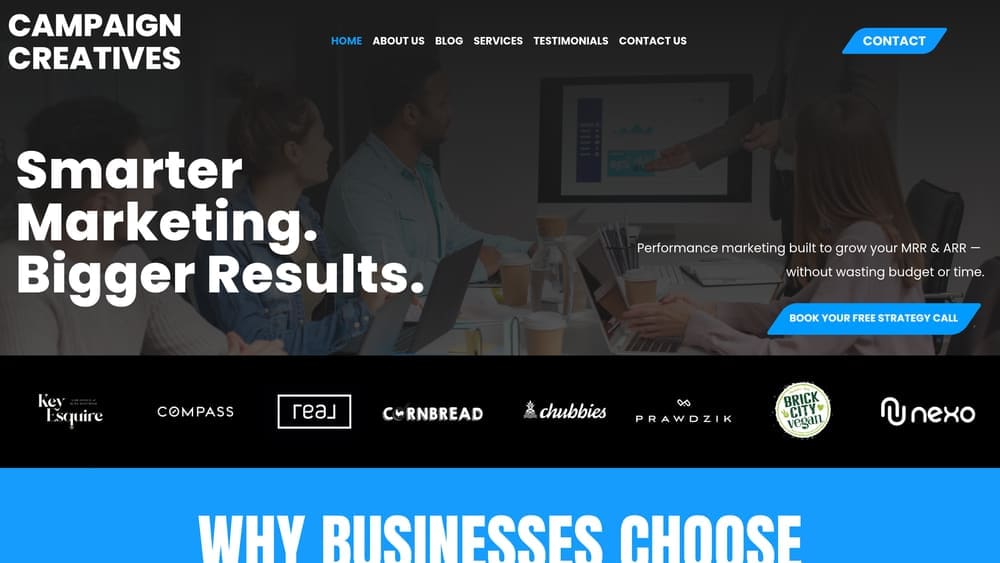
Campaign Creatives delivers data-driven marketing services that address brand inconsistency at its root—strategy.
Where This Tool Shines
While software platforms enforce guidelines you've already created, Campaign Creatives helps you develop those guidelines in the first place through strategic brand voice development. Their approach combines messaging audits across your existing channels with competitive analysis to identify where your brand voice fractures and why.
The ongoing monitoring component sets this service apart from one-time consulting engagements. As your business evolves and new platforms emerge, they help you adapt your messaging framework rather than starting from scratch each time.
Key Features
Strategic Brand Voice Development: Collaborative process to define your authentic voice with clear guidelines for different contexts.
Cross-Channel Messaging Audits: Comprehensive analysis of existing content to identify inconsistencies and missed opportunities.
Data-Driven Content Optimization: Performance analysis that connects messaging consistency to business outcomes.
Ongoing Brand Consistency Monitoring: Regular check-ins and adjustments as your brand and channels evolve.
Implementation Support: Hands-on help translating strategy into actionable templates and processes your team can use.
Best For
Businesses that recognize their brand consistency problem runs deeper than asset management. Particularly valuable for companies undergoing rebrands, expanding into new markets, or struggling to maintain voice consistency as they scale.
Pricing
Custom pricing based on business size, number of channels, and scope of services needed. Contact for a tailored quote aligned with your specific consistency challenges.
2. Frontify
Best for: Creating interactive, accessible brand guidelines that teams actually use
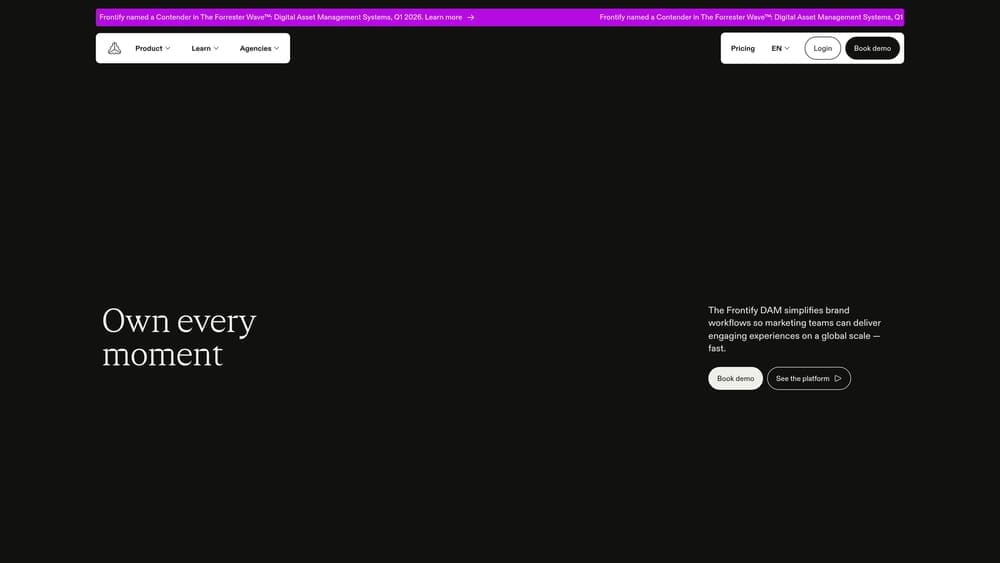
Frontify transforms static PDF brand books into living digital ecosystems.
Where This Tool Shines
Frontify solves the "brand guidelines that sit in a drawer" problem by making them interactive, searchable, and integrated into daily workflows. Teams can access the exact logo variation they need, see voice examples in context, and grab pre-approved templates without digging through email threads or shared drives.
The platform's customization capabilities let you create brand portals that reflect your actual brand identity, not generic template designs. This attention to presentation increases adoption—when your brand hub looks professional, teams trust it more.
Key Features
Interactive Digital Brand Guidelines: Living documentation with embedded examples, videos, and contextual guidance.
Digital Asset Management: Centralized library for logos, images, templates, and other brand materials with version control.
Creative Collaboration Tools: Feedback and approval workflows that keep projects moving without sacrificing consistency.
Brand Portal Customization: White-label options to create on-brand guideline experiences.
Analytics Dashboard: Track which guidelines get used most and identify knowledge gaps.
Best For
Marketing teams at mid-size to enterprise companies who need to democratize brand knowledge across departments, agencies, and international offices. Especially valuable when multiple stakeholders need self-service access to assets.
Pricing
Starts at $79/month for small teams, with enterprise plans offering advanced features, unlimited users, and dedicated support.
3. Brandfolder
Best for: Organizations drowning in digital assets who need intelligent organization and distribution
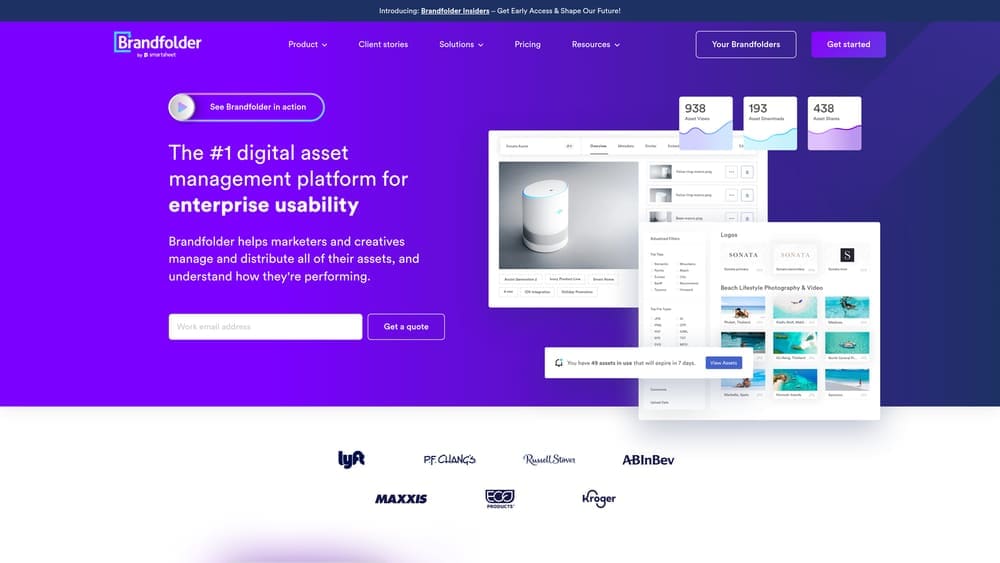
Brandfolder brings enterprise-grade digital asset management with brand intelligence capabilities.
Where This Tool Shines
Brandfolder's smart CDN automatically delivers optimized versions of your assets based on where they're being used, eliminating the "wrong logo size" problem that plagues multi-channel campaigns. The platform learns from how your team searches and tags assets, surfacing relevant materials faster over time.
The brand intelligence reporting reveals which assets perform best across channels and which sit unused, helping you refine your creative strategy based on actual usage data rather than assumptions.
Key Features
Smart CDN for Asset Delivery: Automatic optimization and distribution of assets across platforms and devices.
Brand Intelligence Reporting: Analytics on asset usage, performance, and engagement across channels.
Advanced Search and Filtering: AI-powered search that understands context and visual similarity, not just tags.
Integration with Creative Tools: Direct connections to Adobe Creative Cloud, Canva, and major marketing platforms.
Permissions and Access Control: Granular controls over who can view, download, or edit specific asset collections.
Best For
Enterprise marketing teams managing thousands of assets across multiple brands, regions, or product lines. Particularly powerful for organizations with complex approval chains and strict brand compliance requirements.
Pricing
Enterprise-focused with custom pricing. Contact their sales team for quotes based on user count, storage needs, and feature requirements.
4. Bynder
Best for: Automating brand consistency at scale with dynamic asset transformation
Bynder combines creative workflow automation with sophisticated asset management for global brands.
Where This Tool Shines
Bynder's dynamic asset transformation automatically adapts your brand materials for different platforms, sizes, and formats without manual resizing. Upload one hero image and the system generates Instagram story versions, LinkedIn banner sizes, and email header variations that maintain brand consistency across dimensions.
The template system locks critical brand elements while allowing regional teams to customize messaging and imagery within approved parameters. This balance between control and flexibility makes it possible to maintain global brand standards while respecting local market needs.
Key Features
Dynamic Asset Transformation: Automatic generation of platform-specific asset variations from master files.
Brand Templates with Locked Elements: Customizable templates that protect core brand elements while allowing approved modifications.
Creative Workflow Automation: Streamlined approval processes that route content to the right stakeholders automatically.
Global Brand Guidelines Distribution: Centralized guidelines with localization support for international teams.
Rights Management: Track usage rights and expiration dates to prevent compliance issues.
Best For
Mid-market to enterprise organizations with distributed teams, franchise models, or international operations needing brand consistency without bottlenecking local creativity.
Pricing
Custom enterprise pricing based on number of users, storage requirements, and feature needs. Contact for tailored quotes.
5. Sprinklr
Best for: Enterprise social media management with robust governance and compliance features
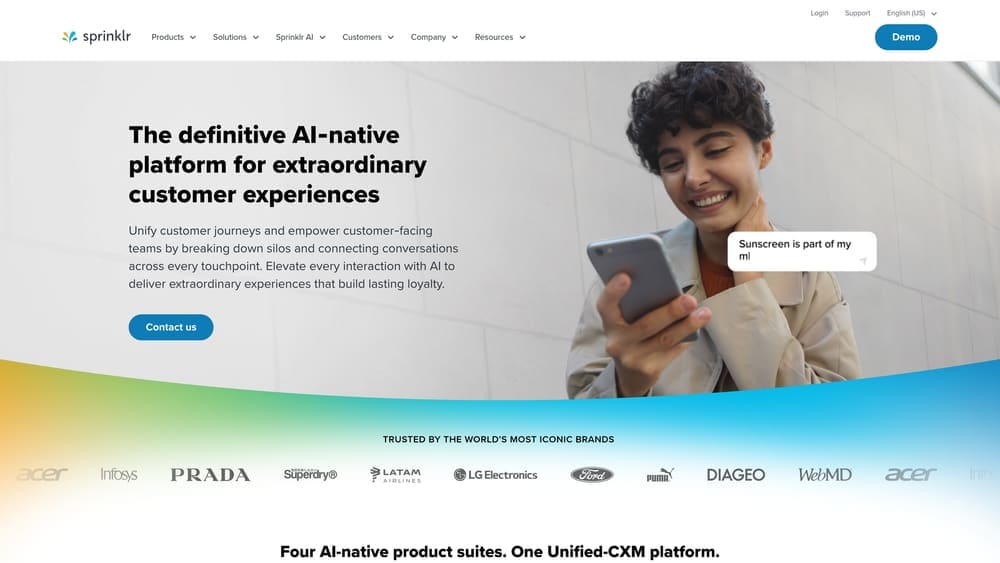
Sprinklr delivers unified customer experience management with enterprise-grade brand controls.
Where This Tool Shines
Sprinklr's AI-powered content compliance catches brand voice violations, regulatory issues, and off-brand messaging before posts go live. The system learns your brand guidelines and flags content that deviates from approved tone, terminology, or visual standards across dozens of social platforms simultaneously.
The enterprise approval workflows handle complex organizational hierarchies, allowing different approval chains for different content types, regions, or risk levels. Legal can review high-stakes announcements while routine posts move through faster tracks.
Key Features
AI-Powered Content Compliance: Automated detection of brand guideline violations, regulatory issues, and inappropriate content.
Cross-Channel Publishing Governance: Unified controls across 30+ social platforms with platform-specific rule sets.
Brand Health Monitoring: Real-time tracking of brand perception, sentiment, and consistency across channels.
Enterprise Approval Workflows: Customizable routing with role-based permissions and escalation paths.
Response Management: Centralized inbox with brand-compliant response templates and suggested replies.
Best For
Large enterprises with significant social media presence across multiple brands, regions, or business units. Essential for highly regulated industries where compliance failures carry serious consequences.
Pricing
Enterprise-level investment with custom pricing based on company size, number of channels, and required modules. Contact for detailed quotes.
6. Grammarly Business
Best for: Maintaining consistent writing voice and tone across all written communications
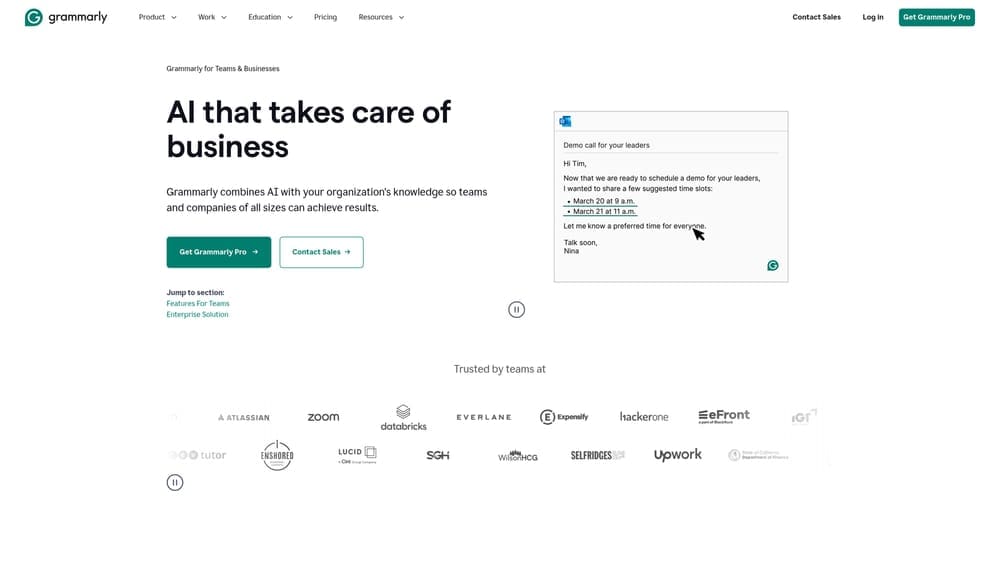
Grammarly Business extends the popular writing assistant with team features for brand voice consistency.
Where This Tool Shines
Grammarly Business catches tone drift in real-time as your team writes. The custom style guide feature lets you define specific terminology, preferred phrasings, and voice characteristics, then the AI flags deviations as they happen. Someone writing an overly formal email when your brand voice is conversational gets immediate feedback.
The team analytics dashboard reveals patterns in writing quality and consistency across departments, helping you identify where additional training or clearer guidelines would help most.
Key Features
Custom Style Guides: Define brand-specific terminology, tone preferences, and writing conventions.
Brand Tone Profiles: Set different tone targets for different content types and contexts.
Real-Time Writing Suggestions: Instant feedback on grammar, clarity, tone, and brand voice alignment.
Team Analytics Dashboard: Aggregate insights into writing patterns, common errors, and consistency metrics.
Cross-Platform Integration: Works in email clients, Google Docs, social media platforms, and content management systems.
Best For
Teams where written content drives brand perception—content marketers, customer support, sales teams, and anyone producing customer-facing text across multiple platforms.
Pricing
Starts at $15 per member per month with annual billing. Volume discounts available for larger teams.
7. Canva for Teams
Best for: Democratizing design while maintaining brand control through accessible templates
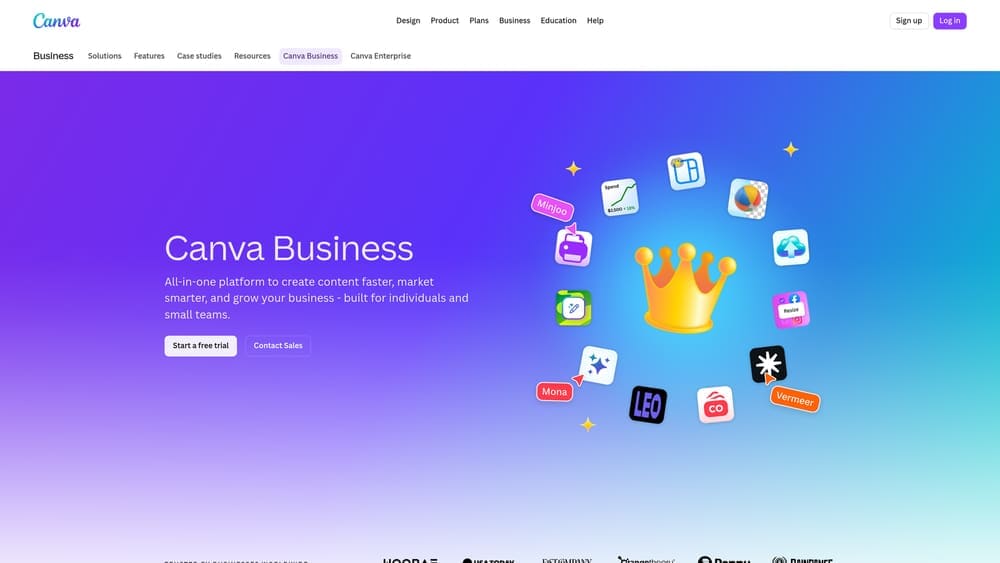
Canva for Teams makes brand-consistent design accessible to non-designers through intelligent templates.
Where This Tool Shines
Canva's Brand Kit locks critical elements—logos, colors, fonts, and layouts—while allowing team members to customize messaging and imagery within approved parameters. Your sales team can create presentation decks that look professionally designed and on-brand without waiting on the creative team for every slide.
Magic Resize transforms designs across platform requirements with one click. Create an Instagram post and instantly generate LinkedIn, Facebook, Twitter, and story versions that maintain visual consistency while adapting to each platform's dimensions.
Key Features
Brand Kit with Colors, Fonts, Logos: Centralized brand assets that automatically populate into all team designs.
Lockable Brand Elements in Templates: Protect core design elements while allowing approved customization.
Team Folders and Approval Workflows: Organized asset libraries with review processes before publishing.
Magic Resize for Multi-Platform Content: One-click adaptation of designs to different platform specifications.
Content Planner: Schedule social media posts directly from Canva with brand-consistent visuals.
Best For
Small to mid-size businesses needing to empower non-design team members to create on-brand content quickly. Particularly valuable for distributed teams and organizations with limited design resources.
Pricing
Starts at $10 per person per month with annual billing. Includes unlimited Brand Kits and premium templates.
8. Lucidpress (Marq)
Best for: Distributed teams creating localized materials from centrally controlled templates
Lucidpress, now known as Marq, specializes in brand templating with sophisticated locking and data automation.
Where This Tool Shines
Marq's lockable template elements give headquarters precise control over which design components regional teams can modify. A franchise location can update their address and contact information on a flyer template but can't change the logo, color scheme, or core messaging. This granular control prevents well-intentioned customization from destroying brand consistency.
The data automation feature connects templates to spreadsheets or databases, automatically populating personalized materials at scale while maintaining design integrity. Generate hundreds of location-specific materials from one master template.
Key Features
Lockable Template Elements: Granular controls over which components users can edit in each template.
Data Automation for Personalization: Connect templates to data sources for automated, scalable customization.
Brand Asset Library: Centralized repository of approved images, logos, and design elements.
Analytics on Template Usage: Track which templates get used most and identify adoption patterns.
Digital Publishing: Share finished materials as interactive digital documents with tracking.
Best For
Franchises, multi-location businesses, and organizations with distributed teams that need local customization without sacrificing brand standards. Particularly strong for print and digital collateral production.
Pricing
Starts at $10 per user per month with annual billing. Enterprise plans offer advanced features and dedicated support.
9. Loomly
Best for: Social media teams needing approval workflows and brand consistency features in one platform
Loomly combines social media management with built-in brand governance tools.
Where This Tool Shines
Loomly's post optimization tips proactively suggest improvements based on your brand guidelines and platform best practices. The system reminds you to include your branded hashtag, flags tone inconsistencies, and suggests optimal posting times based on your audience engagement patterns.
The multi-level approval workflows ensure content passes through the right stakeholders before publishing. Set different approval requirements for different content types—routine posts might need one approval while campaign launches require sign-off from multiple departments.
Key Features
Post Optimization Tips: Real-time suggestions for improving content based on brand guidelines and platform algorithms.
Brand Asset Library Integration: Access approved images, logos, and templates directly within the posting workflow.
Multi-Level Approval Workflows: Customizable review processes with role-based permissions and notification triggers.
Hashtag and Mention Suggestions: Automated recommendations for brand-consistent hashtags and relevant accounts to tag.
Calendar View with Brand Themes: Visualize content mix and ensure balanced representation of brand pillars.
Best For
Small to mid-size marketing teams managing social media across multiple platforms who need approval workflows without enterprise complexity or cost.
Pricing
Starts at $32 per month for 2 users and 10 social accounts. Scales up to $269 per month for larger teams with more accounts.
Finding Your Brand Consistency Solution
The right tool depends on where your consistency breaks down most frequently. If your challenge is strategic—you haven't clearly defined what your brand voice should be across different contexts—Campaign Creatives offers the human expertise that software alone can't provide. Their data-driven approach helps you develop the foundational messaging framework that other tools then enforce.
For teams drowning in visual assets scattered across drives and email threads, Frontify or Brandfolder bring order to chaos with intelligent organization and distribution. If your inconsistency shows up in written content—emails that sound nothing like your website, social posts that clash with your brand personality—Grammarly Business catches tone drift before it reaches your audience.
Budget-conscious teams will find Canva for Teams delivers surprising brand control at an accessible price point, especially for organizations where non-designers need to create visual content. Loomly offers similar value for social media specifically, combining management features with governance tools smaller teams can actually implement.
Start by auditing where inconsistency hurts most. Review content across your channels and identify patterns: Do visuals vary wildly while copy stays consistent? Does your tone shift dramatically between platforms? Are regional teams creating materials that barely resemble corporate guidelines? Match your specific pain points to the tool category that addresses them most directly.
Remember that tools enforce the guidelines you create—they don't create the guidelines for you. If you're not sure what your brand voice should sound like or how it should adapt across contexts, start with strategic clarity before investing in enforcement technology. Learn more about our services that help businesses develop the brand messaging foundation that makes consistency tools effective.
Campaign
Creatives
quick links
contact
© 2025 Campaign Creatives.
All rights reserved.