campaign
creatives

9 Best Integrated Marketing Solutions for Companies in 2026
Disconnected marketing tools create expensive inefficiencies with fragmented customer data and conflicting messages across channels. Integrated marketing solutions for companies unify email, social media, paid ads, and CRM systems into cohesive platforms where data flows seamlessly and campaigns work together. This guide reviews the nine best platforms in 2026, from enterprise-grade orchestration tools to e-commerce specialists and strategic partnerships that combine technology with expert su...
You've invested in email marketing software. Your social team uses a different platform. Paid ads run through another dashboard. Your CRM sits separately. And somehow, you're supposed to deliver a consistent brand experience while your customer data lives in five different places.
This fragmentation isn't just inconvenient—it's expensive. Disconnected tools mean duplicated efforts, conflicting messages, and blind spots in your customer journey. Integrated marketing solutions solve this by unifying your channels into cohesive systems where data flows freely and campaigns work together instead of competing for attention.
The right platform depends on whether you need enterprise-grade orchestration, e-commerce specialization, or strategic partnership that combines technology with human expertise. Here are the top integrated marketing solutions helping companies streamline their marketing operations in 2026.
1. Campaign Creatives
Best for: Companies seeking strategic partnership with integrated execution across channels
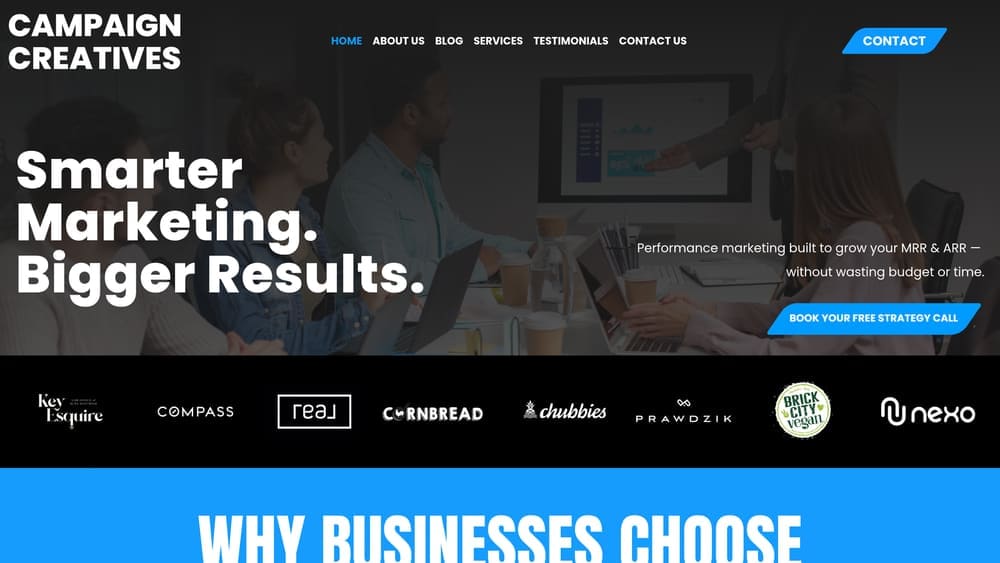
Campaign Creatives takes a fundamentally different approach than software-only solutions by combining technology with dedicated strategic expertise.
Where This Solution Shines
Rather than handing you another platform to learn, Campaign Creatives functions as an extension of your team. They build unified strategies that coordinate paid advertising, organic content, email campaigns, and social media—then execute across all channels with consistent messaging and creative direction.
The data-driven approach means every campaign decision connects to actual performance metrics. You're not guessing which channels work together—you're seeing consolidated reporting that shows how your integrated efforts drive results.
Key Features
Unified Cross-Channel Strategy: Coordinated planning across paid, organic, and owned media ensures messaging consistency.
Data-Driven Optimization: Human expertise interprets analytics to continuously refine campaign performance across touchpoints.
Tailored Solutions: Custom approaches built around your specific business needs rather than forcing you into template workflows.
Consolidated Reporting: Single-view analytics showing how all marketing channels contribute to business outcomes.
Strategic Partnership Model: Dedicated team that understands your business and adapts strategy as markets shift.
Best For
Companies that recognize marketing integration requires both technology and strategic thinking. Particularly valuable when you need expert execution without expanding your internal team, or when you've tried DIY platforms but lack the bandwidth to maximize them.
Pricing
Custom pricing based on channel scope and campaign complexity. Investment scales with the breadth of integrated services you need.
2. HubSpot Marketing Hub
Best for: Inbound-focused companies wanting native CRM and content marketing integration
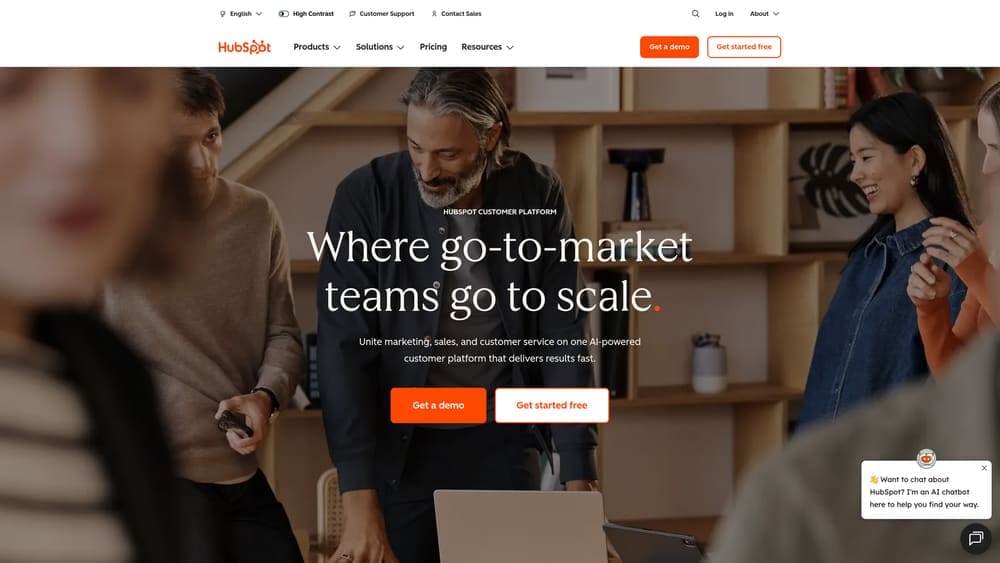
HubSpot Marketing Hub pioneered the all-in-one marketing platform by building every tool around a central CRM foundation.
Where This Tool Shines
HubSpot's native integration between marketing and CRM eliminates the data sync headaches that plague companies using separate systems. When a prospect downloads your content, attends a webinar, or clicks an email, that activity immediately updates their contact record—visible to both marketing and sales.
The platform excels at content-driven strategies. Blog posts, landing pages, emails, and social media all live in one workspace with shared analytics. You're not jumping between tools to understand how content performs across channels.
Key Features
Native CRM Integration: Marketing activity automatically syncs with contact records, creating unified customer profiles.
Content Management System: Blog, landing pages, and website hosting integrated with marketing automation workflows.
Email and Social Coordination: Schedule social posts and emails from the same campaign calendar with shared performance tracking.
Lead Scoring and Attribution: Track which channels and content pieces contribute to conversions across the buyer journey.
App Marketplace: Over 1,400 integrations extend functionality while maintaining data flow into the central platform.
Best For
Mid-market B2B companies building inbound marketing strategies around educational content. Works exceptionally well when sales and marketing need shared visibility into prospect engagement.
Pricing
Free tier includes basic email and forms. Professional tier starts at $800/month with advanced automation and reporting. Enterprise pricing available for larger teams.
3. Salesforce Marketing Cloud
Best for: Enterprise organizations orchestrating complex multi-channel customer journeys
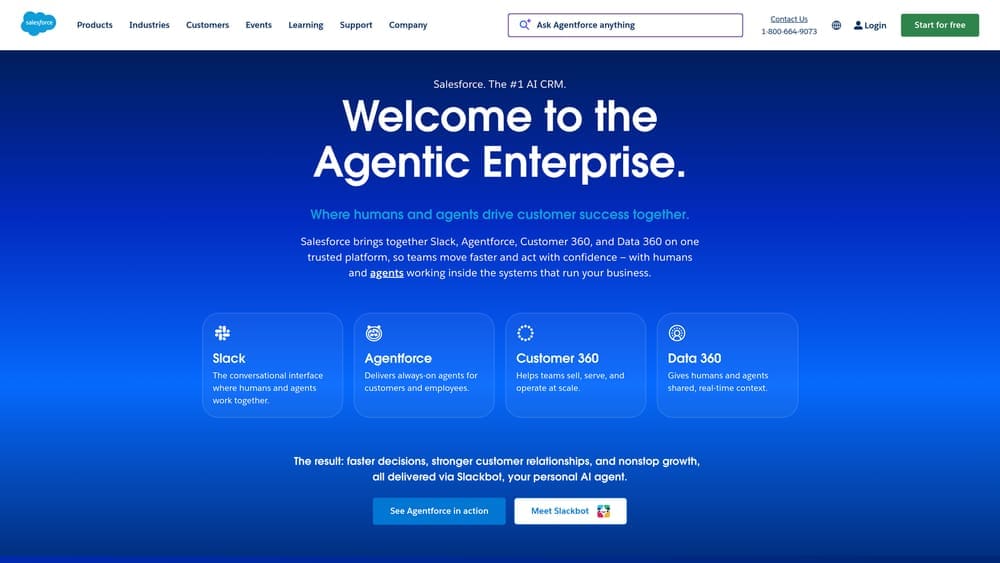
Salesforce Marketing Cloud handles sophisticated omnichannel campaigns that adapt in real-time based on customer behavior.
Where This Tool Shines
Journey Builder visualizes customer paths across email, mobile, social, advertising, and web—letting you design experiences that respond to actions across any channel. If someone abandons a cart, clicks an email, or visits a store, the journey automatically adjusts their next interaction.
Einstein AI analyzes historical engagement patterns to predict optimal send times, subject lines, and content for each individual. This predictive capability scales personalization beyond what human marketers could manually coordinate.
Key Features
Journey Builder: Visual canvas for designing cross-channel customer experiences with conditional logic and wait steps.
Einstein AI: Predictive analytics for send time optimization, engagement scoring, and content recommendations.
Salesforce CRM Integration: Deep connection with Sales Cloud creates complete view of customer interactions across marketing and sales.
Studio Suite: Separate studios for email, mobile, social, advertising, and web—all feeding into unified journeys.
Audience Segmentation: Advanced filtering using behavioral, demographic, and predictive attributes from across the Salesforce ecosystem.
Best For
Large enterprises with complex customer lifecycles requiring sophisticated automation. Companies already using Salesforce CRM gain maximum value from the native integration.
Pricing
Enterprise-level investment typically starting around $1,250/month and scaling based on contact volume and studio requirements. Implementation often requires dedicated resources.
4. Adobe Experience Cloud
Best for: Brands connecting creative production directly to campaign execution and analytics
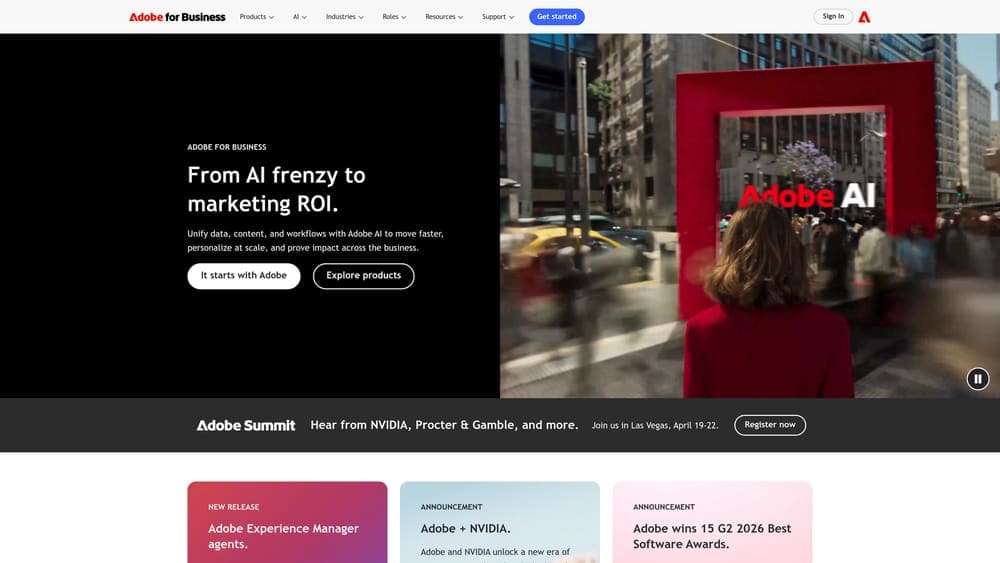
Adobe Experience Cloud uniquely bridges the gap between creative development and marketing deployment through its Creative Cloud integration.
Where This Tool Shines
The workflow from design to deployment stays within the Adobe ecosystem. Creative assets built in Photoshop or Illustrator flow directly into campaigns without file transfers or reformatting. This integration matters most for brands producing high volumes of visual content across channels.
The Real-Time Customer Data Platform unifies behavioral data from websites, apps, CRM, and offline sources into actionable profiles. Marketers can activate these audiences across paid media, email, and personalization engines without manual exports.
Key Features
Creative to Campaign Integration: Direct workflow from Creative Cloud tools into marketing campaigns maintains asset quality and speeds deployment.
Real-Time CDP: Unified customer profiles combining online, offline, and third-party data for cross-channel activation.
Adobe Analytics: Enterprise-grade analytics with attribution modeling showing customer journey across all touchpoints.
AI-Powered Personalization: Adobe Sensei delivers content variations at scale based on customer attributes and behavior patterns.
Content Management: Experience Manager handles digital asset libraries and content delivery across web and mobile properties.
Best For
Enterprise brands with significant creative production needs and complex customer data requirements. Maximum value comes from using multiple Adobe products together.
Pricing
Custom enterprise pricing based on products, user counts, and data volume. Significant investment typically reserved for large marketing organizations.
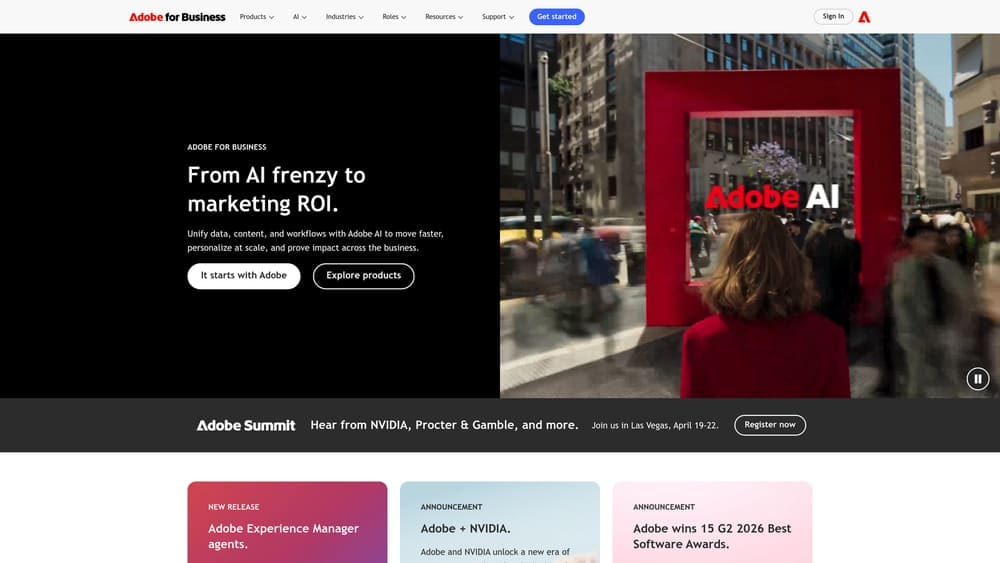
5. Marketo Engage
Best for: B2B companies focusing on lead nurturing and account-based marketing
Marketo Engage specializes in the longer, more complex sales cycles common in B2B environments.
Where This Tool Shines
Lead nurturing workflows handle multi-touch campaigns that span months, automatically adjusting based on engagement signals and lifecycle stage changes. The platform tracks individual prospect behavior while also monitoring account-level engagement—critical when multiple stakeholders influence purchasing decisions.
Revenue attribution connects marketing activities to actual pipeline and closed deals. You can see which campaigns, content pieces, and channels contribute to revenue at different stages of the buyer journey.
Key Features
Advanced Lead Nurturing: Sophisticated workflows manage long-cycle campaigns with behavioral triggers and scoring adjustments.
Account-Based Marketing: Tools for coordinating campaigns across multiple contacts within target accounts with account-level reporting.
Revenue Attribution: Multi-touch attribution models show marketing's contribution to pipeline and revenue across the sales cycle.
Sales Alignment: Alerts, interesting moments, and lead scoring keep sales teams informed about prospect engagement.
B2B Integrations: Native connections with CRMs, webinar platforms, and sales tools common in B2B stacks.
Best For
B2B companies with sales cycles spanning multiple months and requiring coordination between marketing and sales teams. Particularly strong for organizations implementing account-based strategies.
Pricing
Growth tier starts around $895/month for up to 10,000 contacts. Pricing scales with database size and feature requirements.
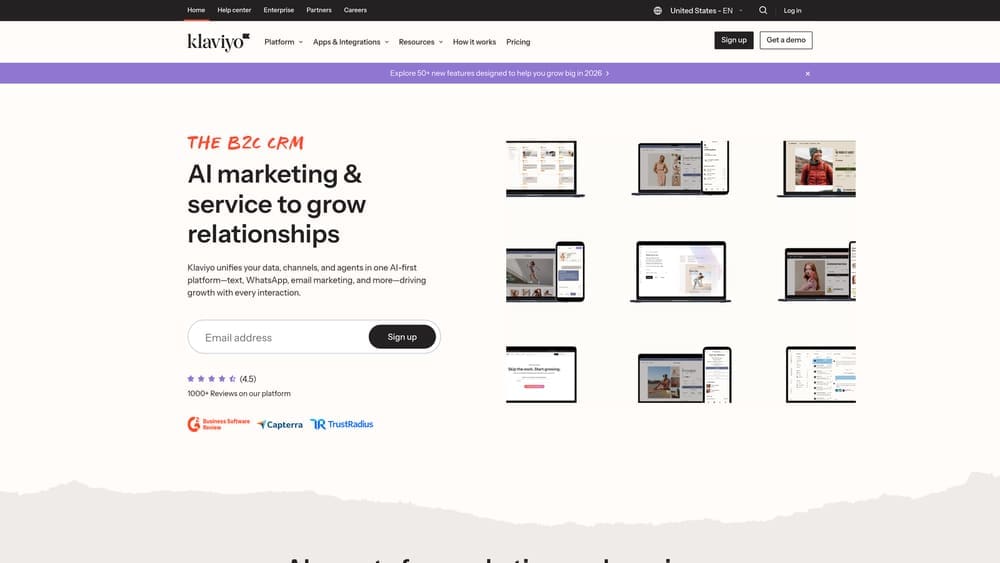
6. Klaviyo
Best for: E-commerce brands unifying email, SMS, and web experiences for retail customers
Klaviyo built its platform specifically around e-commerce data structures and shopping behaviors.
Where This Tool Shines
Deep integrations with Shopify, WooCommerce, Magento, and other e-commerce platforms mean customer purchase history, browsing behavior, and cart activity automatically sync into marketing campaigns. This data powers hyper-relevant automation like abandoned cart recovery, post-purchase sequences, and replenishment reminders.
The unified email and SMS approach lets you coordinate messages across channels based on customer preferences and engagement patterns. Someone who ignores emails but clicks SMS links gets more text messages—automatically.
Key Features
E-commerce Platform Sync: Real-time data flow from shopping platforms enables product-specific personalization and behavioral triggers.
Email and SMS Coordination: Unified workflows manage cross-channel messaging with channel preference learning.
Predictive Analytics: Customer lifetime value predictions and churn risk scoring help prioritize retention efforts.
Dynamic Recommendations: Product suggestions based on browsing history, purchase patterns, and similar customer behaviors.
Pre-Built Flows: Templates for abandoned cart, browse abandonment, welcome series, and win-back campaigns specific to retail.
Best For
Direct-to-consumer brands and online retailers where purchase data should drive marketing personalization. Works for businesses from small shops to eight-figure revenue operations.
Pricing
Free up to 250 contacts and 500 email sends. Paid plans start at $20/month and scale based on contact count, with SMS charged separately.
7. ActiveCampaign
Best for: Growing businesses wanting CRM, marketing automation, and sales tools in one platform
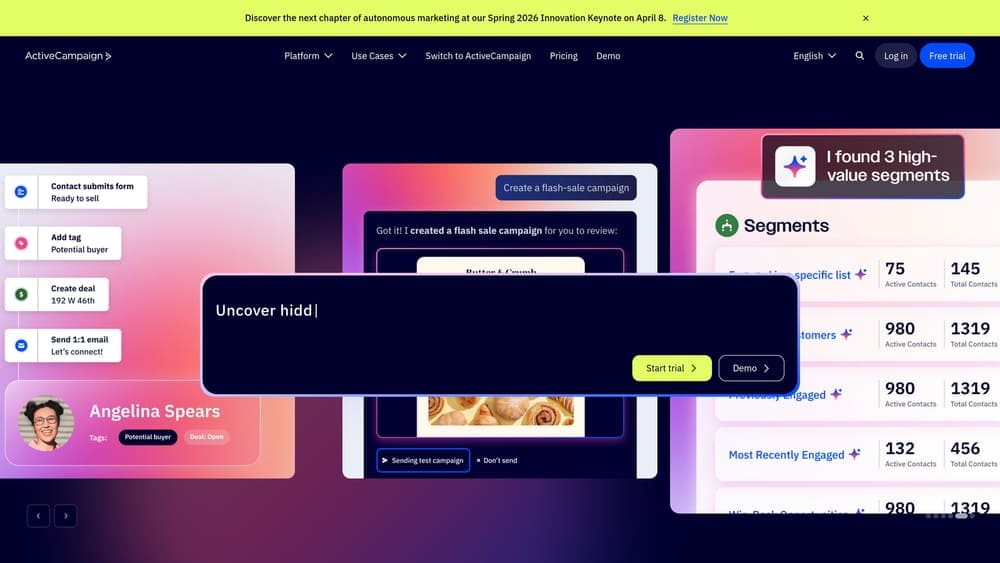
ActiveCampaign combines customer experience automation with built-in CRM capabilities at accessible price points.
Where This Tool Shines
The visual automation builder makes complex multi-step campaigns manageable without technical expertise. You can see the entire customer journey mapped out—from initial contact through nurturing sequences to sales handoff—and adjust logic based on how people actually engage.
Site tracking monitors which pages prospects visit, triggering relevant follow-up automatically. If someone browses your pricing page three times, that signals buying intent worthy of different treatment than casual blog readers.
Key Features
Visual Automation Builder: Drag-and-drop interface for designing multi-channel workflows with conditional logic and goal tracking.
Built-In CRM: Contact management, deal tracking, and sales automation integrated with marketing campaigns.
Site and Event Tracking: Monitor website behavior and custom events to trigger personalized automation sequences.
Send Time Optimization: Machine learning identifies optimal send times for each contact based on historical engagement patterns.
Integration Library: Over 900 app connections extend functionality while maintaining data sync with the central platform.
Best For
Small to mid-sized businesses that have outgrown basic email tools but aren't ready for enterprise complexity. Strong fit when you need CRM and marketing automation without separate systems.
Pricing
Lite plan starts at $29/month for basic email automation. Plus tier at $49/month adds CRM and deeper automation. Pricing scales with contact count.
8. Braze
Best for: Mobile-first brands requiring real-time cross-channel messaging at scale
Braze specializes in real-time customer engagement across mobile apps, push notifications, in-app messages, email, and SMS.
Where This Tool Shines
Real-time data streaming means customer actions trigger immediate responses across channels. Someone opens your app, browses a category, and abandons—within seconds, they receive a personalized push notification or in-app message based on that exact behavior.
Canvas, their visual journey builder, orchestrates complex campaigns that adapt based on real-time signals. The platform handles millions of messages daily while maintaining sub-second response times—critical for mobile experiences where timing matters.
Key Features
Real-Time Data Streaming: Customer actions immediately available for campaign targeting without batch processing delays.
Multi-Channel Coordination: Unified orchestration across push, in-app, email, SMS, and web messaging with frequency capping.
Canvas Journey Builder: Visual designer for creating adaptive customer journeys that respond to real-time engagement signals.
AI Personalization: Intelligent delivery timing, channel selection, and content variation based on individual behavior patterns.
Mobile SDK: Robust software development kits for iOS and Android enable deep mobile app integration.
Best For
Companies with mobile apps as primary customer touchpoints, particularly in media, gaming, fintech, and retail. Best suited for organizations with technical resources to implement and optimize.
Pricing
Custom enterprise pricing based on monthly active users and message volume. Implementation requires technical integration effort.
9. Mailchimp
Best for: Small businesses wanting accessible marketing tools without platform complexity
Mailchimp evolved from email-only roots into an integrated platform covering email, social, ads, and landing pages.
Where This Tool Shines
The interface prioritizes simplicity over advanced features, making it approachable for marketing generalists managing multiple responsibilities. You can launch email campaigns, schedule social posts, run Facebook ads, and build landing pages without extensive training.
Audience segmentation uses purchase history, website activity, and engagement patterns to create targeted groups. While less sophisticated than enterprise platforms, it covers the essential segmentation most small businesses actually use.
Key Features
Email Campaign Builder: Drag-and-drop editor with templates and basic automation for welcome series and abandoned cart recovery.
Social Media Management: Schedule posts and run ads on Facebook and Instagram directly from the platform.
Landing Pages and Websites: Build simple landing pages and basic websites without separate tools or technical skills.
Audience Insights: Dashboard showing engagement patterns, purchase predictions, and segment performance.
Growing Integration Library: Connections with e-commerce platforms, CRMs, and other business tools expand functionality.
Best For
Small businesses and solopreneurs needing straightforward marketing tools without overwhelming feature sets. Works well when budget and simplicity matter more than advanced capabilities.
Pricing
Free tier supports up to 500 contacts and 1,000 monthly emails. Essentials plan starts at $13/month with expanded features and contact limits.
Finding Your Integration Strategy
The right integrated marketing solution depends on whether you need software to empower your team or strategic partnership that combines technology with expertise.
If you're a B2B company with long sales cycles, Marketo Engage or HubSpot deliver the lead nurturing and attribution you need. E-commerce brands benefit most from Klaviyo's retail-specific integrations. Enterprise organizations managing complex customer journeys across multiple brands should evaluate Salesforce Marketing Cloud or Adobe Experience Cloud.
But here's what the software-only approach misses: integration isn't just about connecting tools—it's about unified strategy. The most sophisticated platform won't deliver results if campaigns lack coordinated messaging or data-driven optimization.
That's where strategic partnership matters. Campaign Creatives brings integrated execution across channels without requiring you to become a platform expert. You get unified strategy, consolidated reporting, and continuous optimization—with a dedicated team that understands your business.
For companies recognizing that effective marketing integration requires both technology and strategic thinking, learn more about our services and how we help businesses coordinate their marketing efforts for measurable results.
Start by identifying your primary integration challenge. Are disconnected tools creating data silos? Do campaigns lack consistent messaging? Is reporting too fragmented to make confident decisions? Your specific pain point will guide you toward the solution that actually solves your problem rather than adding another platform to manage.
Campaign
Creatives
quick links
contact
© 2025 Campaign Creatives.
All rights reserved.