campaign
creatives

Top 7 Modern Techniques For Audience Targeting To Enhance Your Marketing Strategy
Discover the seven modern techniques for audience targeting that can help you effectively engage your desired customer segments.
Unpacking the Challenges of Audience Targeting Today
In today’s fast-paced digital landscape, marketers often find themselves grappling with an increasingly complex challenge: reaching the right audience. With consumers bombarded by advertisements from all directions, the ability to effectively connect with specific audience segments has never been more vital. Traditional methods of audience targeting, such as relying solely on demographic data, are becoming less effective in capturing the nuances of consumer behavior.
Many marketers invest substantial resources in campaigns that fail to resonate with their intended audience. Imagine a marketing manager who crafts a campaign targeting a broad age range based on traditional demographics, only to discover that engagement rates are dismally low. This scenario is increasingly common as audience behaviors fragment across various digital platforms.
To better understand the impact of these traditional approaches, it's essential to learn how to measure ROI in digital advertising. As consumer preferences evolve, marketers must adapt their strategies to incorporate modern techniques that reflect these behaviors and preferences. By embracing innovative targeting strategies, businesses can significantly enhance their ability to reach and engage their desired audiences effectively.
Let’s dive into the top seven modern techniques for audience targeting that can help you refine your marketing strategies and achieve better results.
1. Harnessing AI to Revolutionize Audience Segmentation
The Challenge It Solves: Traditional audience segmentation methods often rely on outdated data and simplistic categorizations, which can lead to misaligned marketing efforts and missed opportunities.
The Strategy Explained: AI enhances audience segmentation by processing vast amounts of data more efficiently than traditional methods. Tools utilizing machine learning algorithms can analyze historical customer behavior, allowing marketers to identify and predict customer preferences and behaviors. This predictive capability means that brands can create more targeted campaigns that resonate with specific audience segments. For more insights, check out our advanced targeting techniques for Facebook Ads.
Implementation Steps:
1. Invest in AI-driven analytics tools that integrate with your existing marketing platforms.
2. Clean and organize your customer data to ensure accuracy in AI analysis.
3. Train your team on how to interpret AI insights and integrate them into your marketing strategies.
4. Continuously monitor and refine your audience segments based on real-time data and feedback.
Real-World Application: For instance, a well-known cosmetics brand used AI-driven analytics to refine its marketing strategies. By analyzing customer data and purchasing patterns, they were able to create personalized offers that resulted in a significant increase in engagement rates.
Pro Tips & Mistakes to Avoid: Avoid relying solely on AI-generated insights without human interpretation. While AI can provide powerful data, understanding the context and nuances of your audience is crucial for successful implementation.
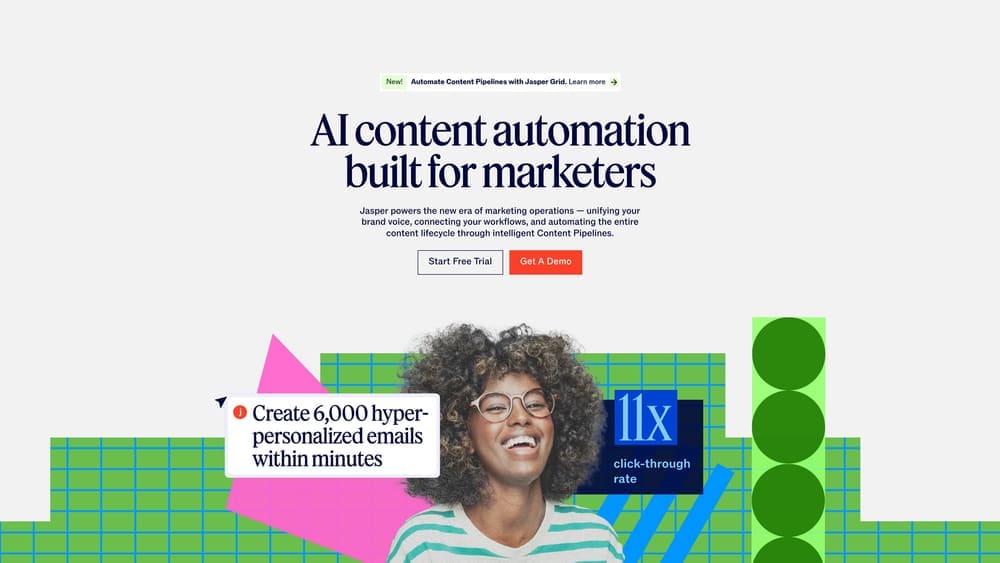
Jasper is an AI-driven content generation tool that can help marketers create targeted campaigns effectively.
2. Personalizing Experiences with Behavioral Targeting
The Challenge It Solves: In a world where consumers expect personalized experiences, traditional one-size-fits-all marketing approaches often fall flat.
The Strategy Explained: Behavioral targeting allows marketers to deliver tailored experiences based on users' online actions. By tracking user interactions across various platforms, brands can gather insights into preferences and tailor content accordingly. This level of personalization not only enhances user experience but also drives higher engagement and conversion rates. For tips on enhancing your video ads, check out our tips for creating engaging video ads.
Implementation Steps:
1. Deploy tracking tools to gather data on user interactions, such as clicks, page views, and time spent on site.
2. Segment your audience based on behavioral data to create targeted content strategies.
3. Use dynamic content delivery systems that adjust the messaging based on user behavior in real time.
Real-World Application: E-commerce platforms like Amazon exemplify this technique by recommending products based on past browsing history. This targeted approach has proven effective in boosting sales and improving customer satisfaction.
Pro Tips & Mistakes to Avoid: Ensure compliance with privacy regulations when collecting user data. Be transparent about data usage to build trust with your audience.
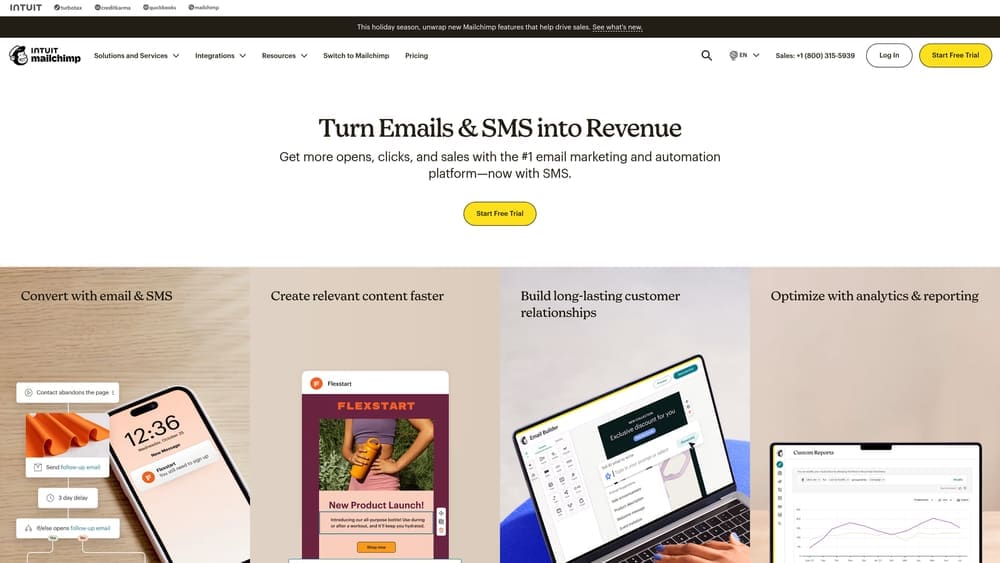
Mailchimp is a popular tool for email marketing that utilizes behavioral targeting to enhance personalization.
3. Unlocking the Potential of Social Media Audience Insights
The Challenge It Solves: Social media platforms generate vast amounts of data, yet many marketers fail to leverage this information to inform their strategies.
The Strategy Explained: Social media analytics tools provide rich data that can be used to refine targeting strategies. By analyzing engagement metrics and audience demographics, brands can gain insights into what types of content resonate with their audience. Consider exploring the best social media platforms for home services to maximize your reach.
Implementation Steps:
1. Utilize built-in analytics tools on platforms like Facebook and Instagram to track performance metrics.
2. Regularly review engagement rates and audience demographics to inform future content strategies.
3. Adjust your marketing campaigns based on the insights gained from social media analytics.
Real-World Application: Brands that actively monitor their social media metrics often see improved interaction rates. For example, a restaurant chain adjusted its promotional content based on social media feedback, resulting in a significant uptick in customer visits.
Pro Tips & Mistakes to Avoid: Don’t overlook the importance of A/B testing your content based on social media insights. This can help you understand what works best for your audience.
HubSpot offers social media management tools that help brands analyze audience insights effectively.
4. Elevating Email Marketing with Advanced Targeting Techniques
The Challenge It Solves: Email marketing often suffers from low engagement rates due to lack of personalization and segmentation.
The Strategy Explained: Advanced targeting techniques, such as segmentation and personalized subject lines, can significantly improve email marketing performance. By tailoring messages to specific audience segments, businesses can increase open rates and conversions.
Implementation Steps:
1. Segment your email lists based on customer behavior and preferences.
2. Craft personalized subject lines and content that resonate with each segment.
3. Implement automated workflows to send targeted emails based on user actions.
Real-World Application: Companies that segment their email lists see higher open rates and conversions. A marketing agency reported a 30% increase in engagement after implementing segmented email campaigns.
Pro Tips & Mistakes to Avoid: Test different email formats and messages to identify what resonates best with your audience. Avoid overwhelming your subscribers with too many emails; focus on quality over quantity.
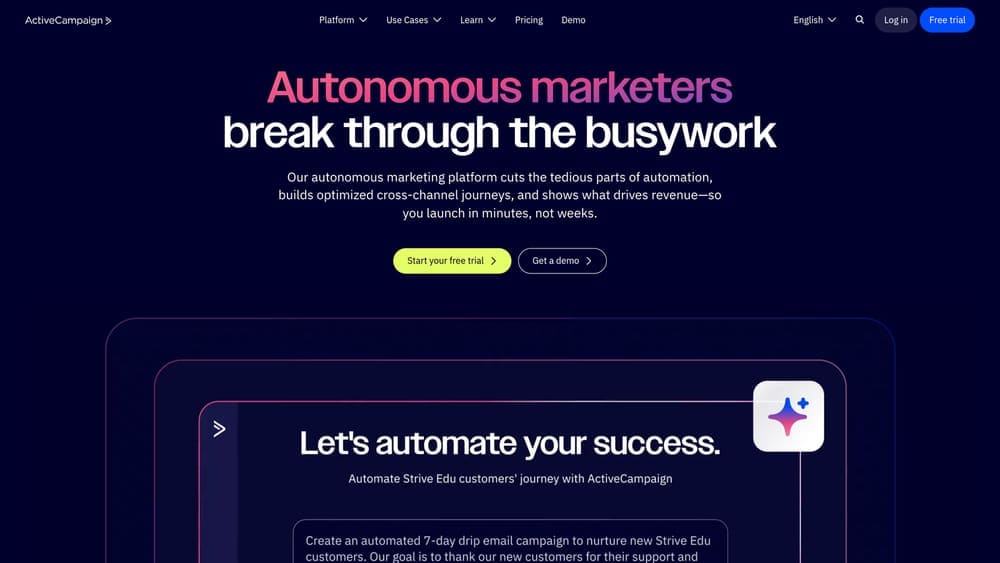
ActiveCampaign is a powerful tool for managing advanced email marketing campaigns.
5. Navigating the Future with Programmatic Advertising
The Challenge It Solves: Traditional ad buying methods can be inefficient, leading to wasted ad spend and ineffective targeting.
The Strategy Explained: Programmatic advertising automates the ad purchasing and placement process, allowing for real-time bidding and precise audience targeting. This method streamlines the ad buying process and reduces waste by ensuring ads reach the right audience at the right time.
Implementation Steps:
1. Familiarize yourself with programmatic advertising platforms and their functionalities.
2. Set clear targeting parameters based on your audience insights.
3. Monitor campaign performance regularly and adjust your strategies as needed.
Real-World Application: Brands that have adopted programmatic strategies report significant improvements in ROI. For example, a major retailer saw a 50% increase in sales after implementing programmatic advertising for its digital campaigns.
Pro Tips & Mistakes to Avoid: Ensure you have a solid understanding of the programmatic landscape to avoid common pitfalls, such as poor targeting or budget mismanagement.
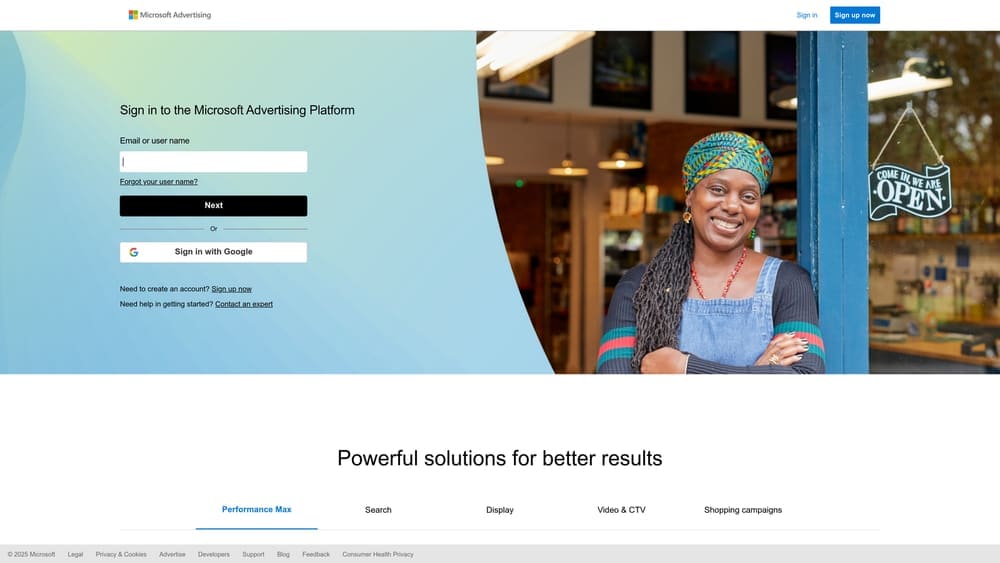
Microsoft Advertising provides programmatic solutions that can optimize your ad spend effectively.
6. Utilizing Multi-Channel Marketing Strategies
The Challenge It Solves: Many marketers struggle to reach consumers across the various channels they frequent, leading to fragmented messaging.
The Strategy Explained: Multi-channel marketing allows brands to engage with their audience across multiple platforms, creating a cohesive and integrated experience. This approach ensures that messaging is consistent and tailored to each channel's unique characteristics.
Implementation Steps:
1. Identify the channels your audience frequents and develop tailored content for each.
2. Ensure consistency in messaging across all channels to reinforce brand identity.
3. Track performance metrics across channels to assess effectiveness and make necessary adjustments.
Real-World Application: Companies that implement multi-channel strategies often see higher engagement rates. A notable example is a fashion retailer that used both social media and email campaigns to drive traffic to its website, resulting in increased sales.
Pro Tips & Mistakes to Avoid: Avoid siloing your marketing efforts; ensure that all channels are aligned and working towards the same goals for maximum impact.
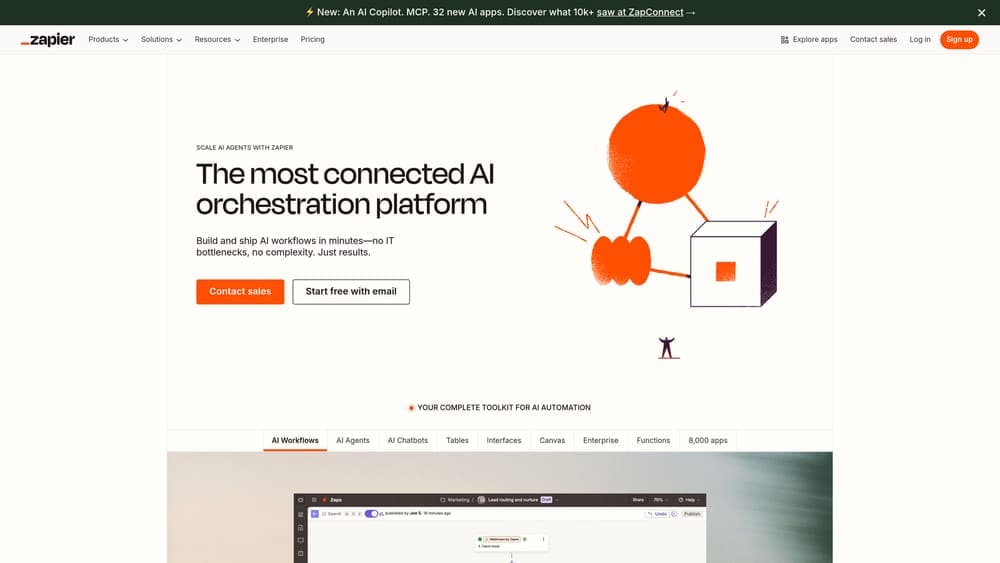
Zapier can assist in integrating your multi-channel marketing efforts seamlessly.
7. Emphasizing Customer Feedback for Continuous Improvement
The Challenge It Solves: Marketers often miss out on valuable insights that can be gleaned from direct customer feedback.
The Strategy Explained: Actively soliciting and analyzing customer feedback can provide critical insights into audience preferences and pain points. This information can be used to refine targeting strategies and improve overall marketing effectiveness.
Implementation Steps:
1. Create surveys and feedback forms to gather insights from your audience.
2. Analyze the feedback to identify common themes and areas for improvement.
3. Use the insights gained to inform your marketing strategies and adjust your targeting accordingly.
Real-World Application: Brands that prioritize customer feedback in their marketing strategies often see enhanced customer loyalty and satisfaction. For instance, a tech company that regularly collects user feedback has improved its product offerings and marketing outreach as a result.
Pro Tips & Mistakes to Avoid: Ensure that your feedback mechanisms are easy for customers to use. Avoid making assumptions based on a small sample size; strive for comprehensive feedback to make informed decisions.
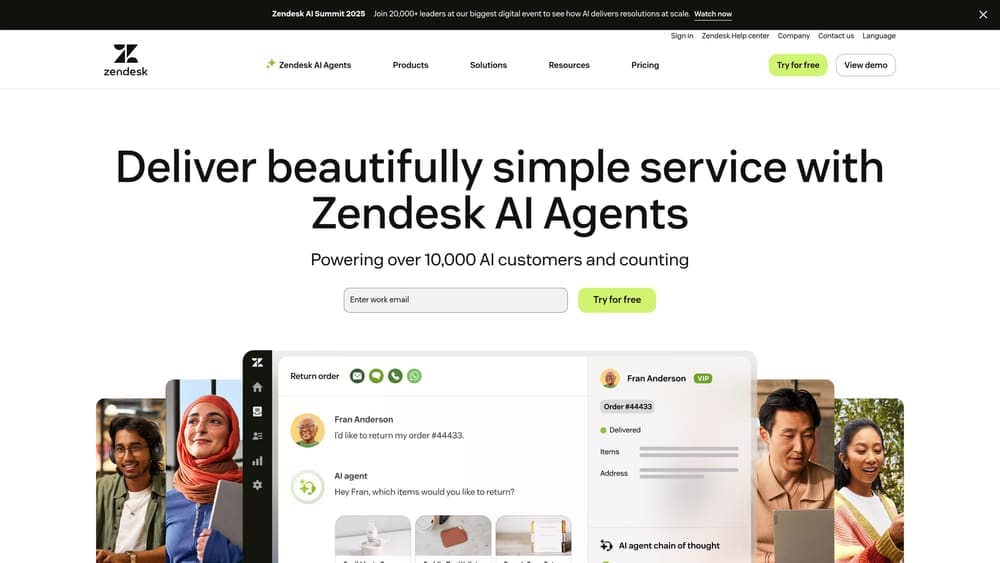
Zendesk is a tool that helps facilitate customer feedback collection and analysis.
Bringing It All Together
As we’ve explored, modern techniques for audience targeting are essential for navigating the complexities of today’s marketing landscape. From leveraging AI for better segmentation to utilizing customer feedback for continuous improvement, each approach offers unique advantages that can enhance your marketing effectiveness.
By implementing these strategies, businesses can increase their ability to connect with their target audiences, leading to improved engagement and higher ROI. The key takeaway is to stay adaptable and continuously refine your targeting efforts based on real-time data and insights.
Campaign
Creatives
quick links
contact
© 2025 Campaign Creatives.
All rights reserved.