campaign
creatives

9 Best Marketing Tools for Tech Startups in 2026
Tech startups with limited budgets and lean teams need the right marketing tools to compete effectively and scale quickly. This comprehensive guide reviews the 9 best marketing tools for 2026, focusing on solutions that offer scalability, ease of use, and strong integration capabilities—helping you determine which tech startups marketing approaches work best for data-driven campaigns, social media management, and conversion optimization without exhausting your runway.
Tech startups face a unique marketing challenge: limited budgets, lean teams, and the pressure to scale fast. The right marketing tools can level the playing field, helping early-stage companies compete with established players without burning through runway.
This guide covers the most effective marketing tools for tech startups in 2026, selected based on scalability, ease of use, integration capabilities, and value for resource-constrained teams. Whether you need help with data-driven campaign optimization, social media management, or conversion tracking, these tools represent the best options for startups ready to grow strategically.
1. Campaign Creatives
Best for: Tech startups needing full-service marketing execution without hiring a full team.
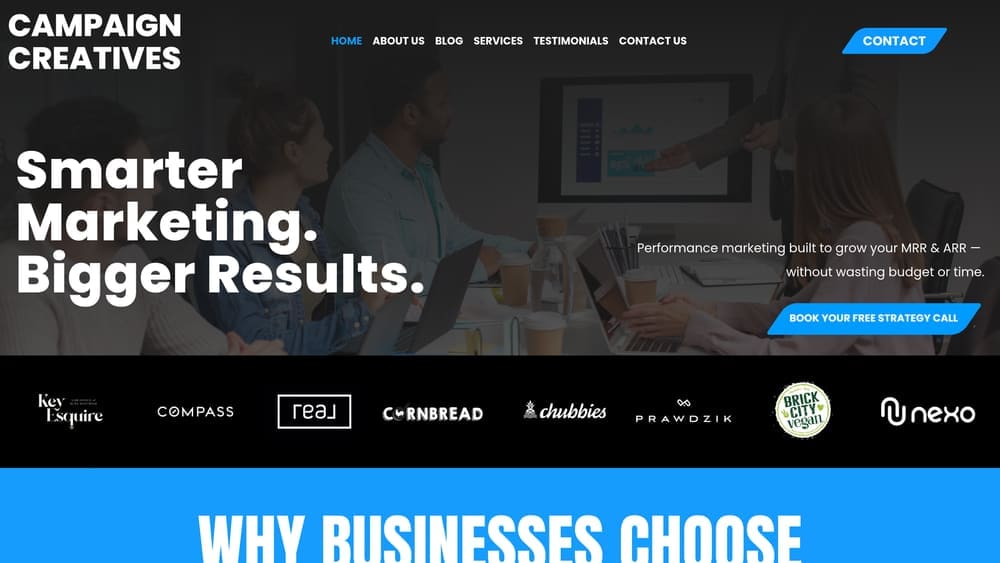
Campaign Creatives offers data-driven marketing services that help tech startups build and execute effective marketing strategies without the overhead of an in-house team.
Where This Tool Shines
Early-stage tech companies often face a tough choice: hire expensive marketing talent or struggle with DIY campaigns that don't deliver. Campaign Creatives bridges this gap by providing experienced marketing professionals who understand the unique challenges of tech startups.
The service excels at creating tailored marketing solutions that align with your specific business goals, industry positioning, and growth stage. Rather than forcing you into a one-size-fits-all approach, they develop custom strategies based on your actual needs and constraints.
Key Features
Custom Strategy Development: Personalized marketing plans built around your product, audience, and growth objectives.
Data-Driven Optimization: Continuous campaign refinement based on performance metrics and conversion data.
Tailored Solutions: Flexible service packages that adapt to your unique business requirements and budget.
Full-Service Execution: End-to-end campaign management from strategy through implementation and reporting.
Strategic Reporting: Clear performance insights that help you understand what's working and why.
Best For
Tech startups that need professional marketing execution but lack the resources to build an internal team. Particularly valuable for companies in competitive markets where strategic positioning and data-driven optimization make the difference between growth and stagnation.
Pricing
Custom pricing based on project scope and service requirements. This flexibility allows startups to scale marketing investment alongside revenue growth.
2. HubSpot Marketing Hub
Best for: Startups building an integrated inbound marketing and sales system from day one.
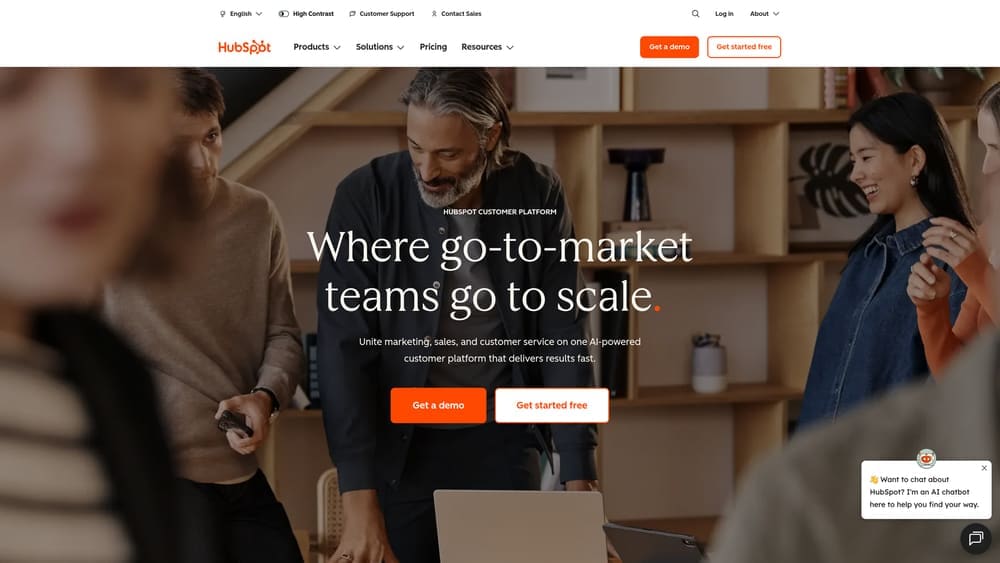
HubSpot Marketing Hub is a comprehensive inbound marketing platform with CRM, email marketing, landing pages, and analytics in one integrated system.
Where This Tool Shines
HubSpot eliminates the headache of connecting multiple marketing tools by putting everything in one place. Your email campaigns, landing pages, forms, and CRM all share the same database, which means no more manual data exports or integration nightmares.
The platform's free CRM tier gives bootstrapped startups a powerful foundation to build on. As you grow, you can add marketing automation, advanced analytics, and sales tools without switching systems or migrating data.
Key Features
Integrated CRM: Free customer database that connects marketing activities directly to sales opportunities.
Email Marketing Automation: Build sophisticated drip campaigns that nurture leads based on their behavior.
Landing Page Builder: Create conversion-optimized pages without developer help using drag-and-drop templates.
Lead Scoring: Automatically prioritize prospects based on engagement and fit criteria you define.
Analytics Dashboard: Track campaign performance, attribution, and ROI across all marketing channels.
Best For
Tech startups planning to scale quickly and needing a platform that grows with them. Ideal for companies with both marketing and sales teams who need to stay aligned on lead quality and conversion progress.
Pricing
Free tier includes basic CRM and marketing tools. Starter plan begins at $20/month, with Professional and Enterprise tiers for advanced automation and reporting.
3. Semrush
Best for: Tech startups competing in crowded markets where organic visibility drives growth.
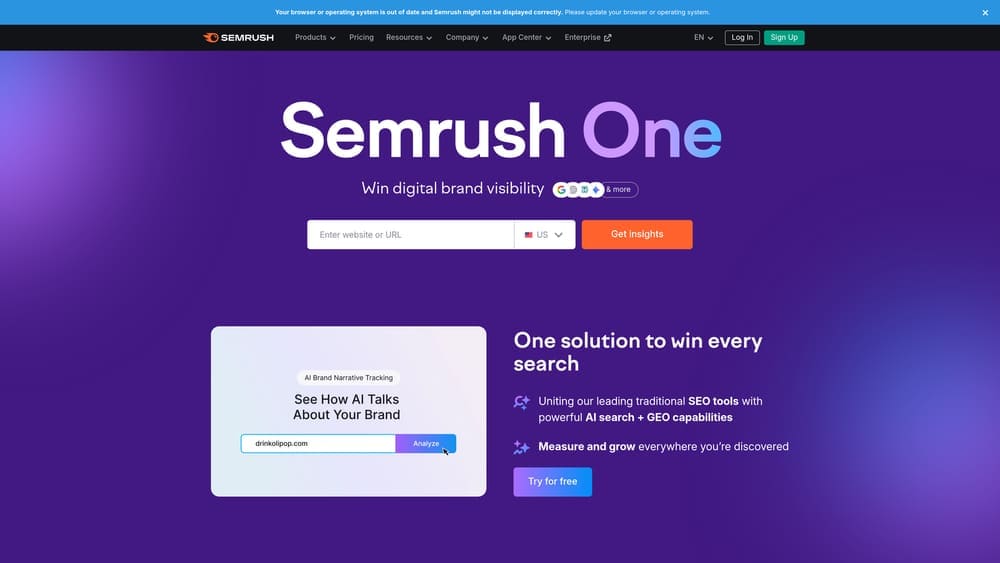
Semrush is an all-in-one SEO and competitive intelligence platform for keyword research, site audits, and content optimization.
Where This Tool Shines
Understanding what your competitors are doing—and finding gaps they've missed—can make or break a startup's content strategy. Semrush shows you exactly which keywords your competitors rank for, where they get backlinks, and how much traffic they're capturing.
The platform's site audit feature catches technical SEO issues before they hurt your rankings. For startups without dedicated SEO specialists, this automated health check prevents costly mistakes that could tank your organic visibility.
Key Features
Keyword Research Tools: Discover high-value search terms your target customers actually use.
Competitive Analysis: See your competitors' top-performing content and traffic sources in detail.
Site Audit: Automated technical SEO scans identify crawl errors, broken links, and optimization opportunities.
Content Optimization: Get specific recommendations to improve content relevance and ranking potential.
Backlink Analysis: Track who's linking to you and identify link-building opportunities in your niche.
Best For
Tech startups building content marketing programs and competing for organic search traffic. Particularly valuable for B2B SaaS companies where buyers research solutions extensively before making decisions.
Pricing
Pro plan starts at $139.95/month with essential SEO tools. Guru and Business tiers add competitive intelligence and content marketing features.
4. Mailchimp
Best for: Startups launching their first email marketing campaigns with minimal technical complexity.
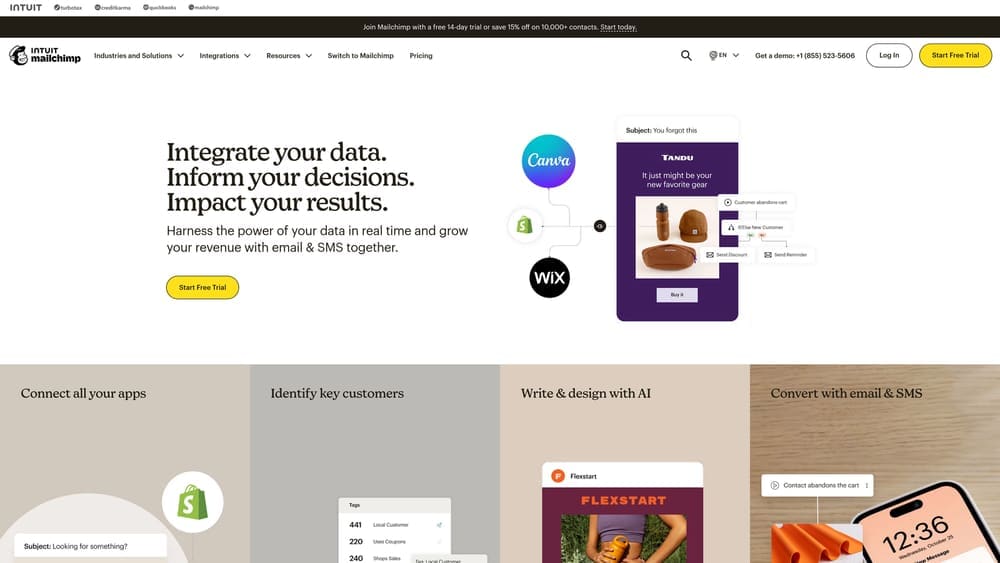
Mailchimp is an email marketing platform with automation, audience segmentation, and e-commerce integrations for growing businesses.
Where This Tool Shines
Mailchimp's drag-and-drop email builder makes it possible to create professional campaigns without design skills or coding knowledge. You can launch your first newsletter in under an hour, which matters when you're moving fast and testing messaging.
The platform's automation workflows handle repetitive tasks like welcome sequences and abandoned cart reminders. Set them up once, and they run continuously in the background while you focus on product development and customer acquisition.
Key Features
Visual Email Builder: Design branded emails using templates and drag-and-drop customization.
Marketing Automation: Create triggered email sequences based on user actions and behaviors.
Audience Segmentation: Target specific customer groups with personalized messaging based on preferences and activity.
A/B Testing: Test subject lines, content, and send times to optimize open and click rates.
E-commerce Integration: Connect to Shopify, WooCommerce, and other platforms to sync customer data automatically.
Best For
Early-stage startups building their email list and testing different messaging approaches. Works well for companies with limited marketing resources who need quick campaign deployment.
Pricing
Free tier supports up to 500 contacts with basic features. Essentials plan starts at $13/month for advanced segmentation and automation.
5. Buffer
Best for: Tech startups managing multiple social channels without a dedicated social media manager.
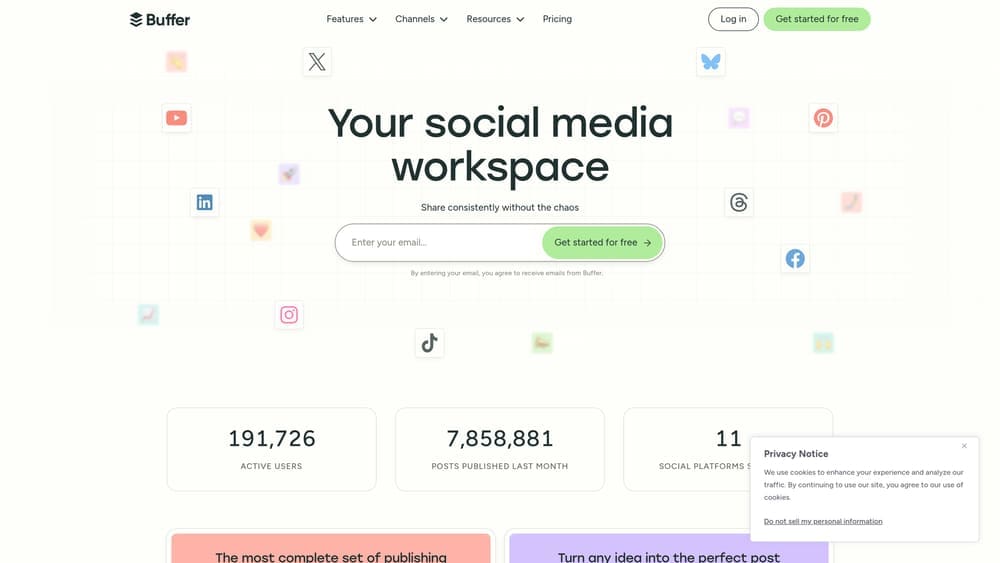
Buffer is a social media management tool for scheduling posts, analyzing performance, and managing multiple accounts from one dashboard.
Where This Tool Shines
Buffer's clean interface makes social media management feel less overwhelming. Instead of logging into five different platforms every day, you schedule everything from one place and let Buffer handle the posting.
The content calendar view helps you see your entire social strategy at a glance. You can spot gaps in your posting schedule, ensure consistent messaging across channels, and coordinate product launches without juggling spreadsheets.
Key Features
Multi-Platform Scheduling: Queue posts for Twitter, LinkedIn, Facebook, Instagram, and Pinterest simultaneously.
Calendar View: Visualize your entire content schedule and drag-and-drop posts to optimize timing.
Performance Analytics: Track engagement metrics and identify which content types resonate with your audience.
Team Collaboration: Assign posts for review, add notes, and coordinate content creation across team members.
Browser Extension: Share interesting content directly from any webpage with one click.
Best For
Lean marketing teams managing social presence across multiple platforms. Ideal for startups that need consistent social media activity but can't dedicate full-time resources to community management.
Pricing
Free plan covers three social channels with basic scheduling. Essentials tier starts at $6/month per channel for analytics and team features.
6. Hotjar
Best for: Startups optimizing conversion rates by understanding actual user behavior on their site.
Hotjar is a user behavior analytics tool with heatmaps, session recordings, and feedback surveys to understand how visitors interact with your site.
Where This Tool Shines
Watching session recordings of real users navigating your site reveals friction points that analytics alone can't explain. You see exactly where people get confused, what they click on, and why they abandon forms halfway through.
Heatmaps show you which parts of your landing pages actually get attention and which carefully crafted sections everyone scrolls past. This visual feedback helps you prioritize optimization efforts based on real behavior rather than assumptions.
Key Features
Click and Scroll Heatmaps: Visualize where users click and how far they scroll on each page.
Session Recordings: Watch individual user sessions to identify usability issues and confusion points.
Conversion Funnel Analysis: Track drop-off rates at each stage of your signup or purchase flow.
Feedback Surveys: Collect direct user input about their experience and pain points.
Form Analytics: See which form fields cause hesitation or abandonment.
Best For
Tech startups focused on conversion rate optimization and user experience improvements. Particularly valuable for product-led growth companies where website experience directly impacts trial signups and product adoption.
Pricing
Free basic plan includes core features with usage limits. Plus tier starts at $39/month for increased session recordings and advanced features.
7. Zapier
Best for: Startups automating marketing workflows without hiring developers or building custom integrations.
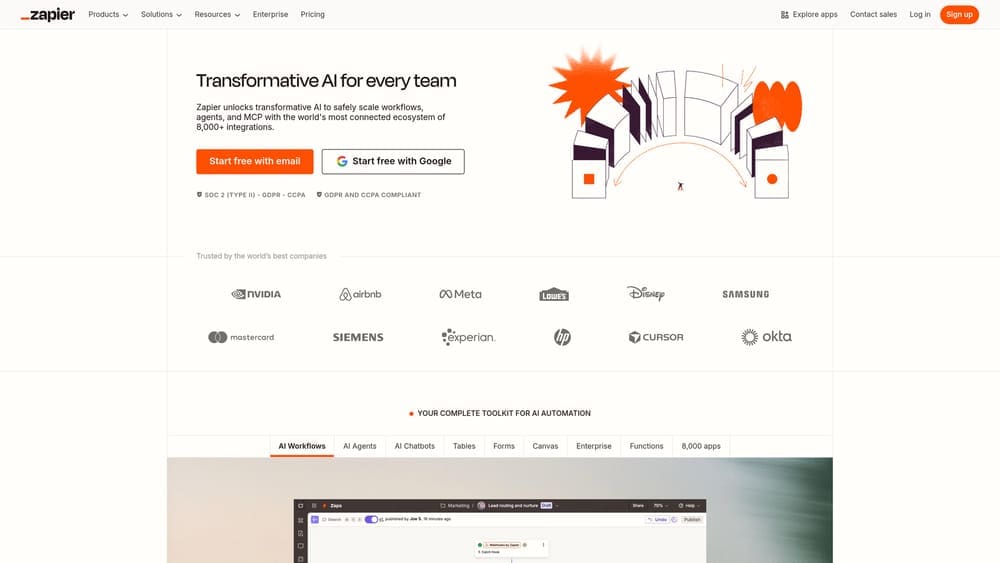
Zapier is a workflow automation platform that connects marketing tools and automates repetitive tasks without coding.
Where This Tool Shines
Zapier eliminates the manual data entry that eats up marketing team time. When someone fills out a lead form, Zapier can automatically add them to your CRM, send a Slack notification, and trigger a welcome email sequence—all without human intervention.
The platform connects tools that weren't designed to work together. Your marketing stack probably includes apps from different vendors that don't integrate natively. Zapier bridges those gaps so data flows smoothly between systems.
Key Features
7,000+ App Integrations: Connect virtually any marketing tool in your stack to automate data transfer.
Multi-Step Workflows: Build complex automations that involve multiple apps and conditional logic.
Conditional Logic: Create if/then rules that route data differently based on specific criteria.
Pre-Built Templates: Start with proven automation recipes for common marketing workflows.
Error Handling: Get notified when automations fail so you can fix issues quickly.
Best For
Tech startups with growing marketing stacks who need tools to communicate without building custom integrations. Ideal for teams spending too much time on manual data entry and routine tasks.
Pricing
Free tier includes 100 tasks per month. Starter plan begins at $29.99/month for increased task volume and premium app access.
8. Canva
Best for: Startups creating professional marketing graphics without hiring designers or learning complex software.
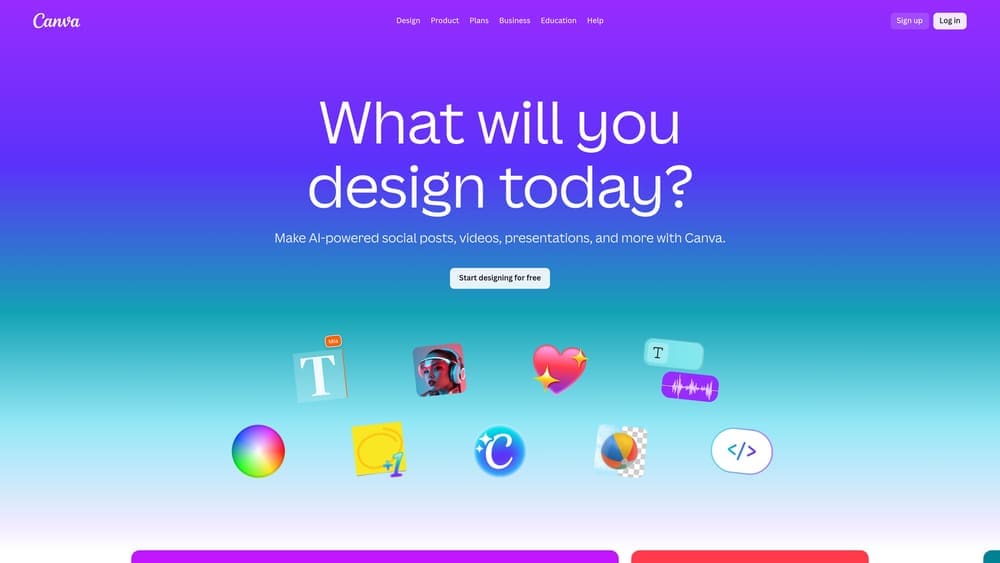
Canva is a design platform for creating professional marketing graphics, presentations, and social media content without design expertise.
Where This Tool Shines
Canva democratizes design for non-designers. You can create social media graphics, pitch decks, and marketing materials that look professionally designed without spending hours learning Photoshop or paying freelance designers.
The brand kit feature ensures visual consistency across all your marketing materials. Upload your logo, define brand colors, and select fonts once—then every team member can create on-brand content without design review bottlenecks.
Key Features
Drag-and-Drop Editor: Intuitive interface makes it easy to customize templates and create original designs.
Brand Kit: Store logos, colors, and fonts in one place for consistent branding across all content.
Template Library: Access thousands of professionally designed templates for every marketing need.
Team Collaboration: Share designs, leave comments, and maintain brand consistency across team members.
Social Media Publishing: Schedule and publish designs directly to social platforms from Canva.
Best For
Early-stage startups without dedicated design resources who need to produce high-quality visual content quickly. Perfect for social media managers, content marketers, and founders wearing multiple hats.
Pricing
Free tier includes basic templates and features. Pro plan costs $15/month per person with advanced features and brand kit.
9. Google Analytics 4
Best for: Startups tracking website performance and user behavior across all devices and touchpoints.
Google Analytics 4 is a free web analytics platform for tracking website traffic, user behavior, and conversion events across devices.
Where This Tool Shines
GA4's event-based tracking model gives you flexibility to measure exactly what matters for your business. Instead of being limited to pageviews, you can track video plays, button clicks, file downloads, and any other user interaction that indicates engagement or intent.
The cross-device tracking capability shows you the complete customer journey. When someone researches your product on mobile then converts on desktop, GA4 connects those sessions into one user story instead of treating them as separate visitors.
Key Features
Event-Based Tracking: Measure any user interaction beyond basic pageviews for deeper insight.
Cross-Device Journeys: Follow individual users across mobile, tablet, and desktop sessions.
Google Ads Integration: Connect advertising spend directly to website conversions and revenue.
Predictive Metrics: Machine learning identifies users likely to convert or churn based on behavior patterns.
Custom Report Builder: Create tailored reports that answer your specific business questions.
Best For
Every tech startup with a website. The free tier provides enterprise-level analytics capabilities that most startups will never outgrow, making it an essential foundation for data-driven marketing decisions.
Pricing
Completely free for most startups. Google Analytics 360 exists for enterprise needs, but standard GA4 handles millions of events without cost.
Matching Tools to Your Startup Stage
The right marketing stack depends on where you are in your growth journey. Pre-seed and seed-stage startups should start lean: Google Analytics 4 for tracking, Mailchimp or HubSpot's free tier for email, and Canva for design needs. This minimal stack costs almost nothing and covers the essentials.
As you approach Series A and start scaling acquisition, add tools that multiply your team's impact. Semrush helps you compete for organic traffic without hiring an SEO specialist. Buffer manages social presence efficiently. Hotjar reveals why visitors aren't converting so you can fix the highest-impact issues first.
The mistake many startups make is adopting too many tools too quickly. Each new platform requires setup time, learning curve, and ongoing maintenance. More tools also mean more data silos and integration complexity.
Start with tools that solve your most pressing problems today. Master them completely before adding new ones. A small stack used expertly beats a sprawling collection of half-implemented platforms.
Consider total cost of ownership beyond subscription fees. Some tools require significant time investment for setup and training. Others, like Zapier, actually save time by automating routine tasks. Calculate the value of team hours saved, not just monthly costs.
Integration capability matters more as you grow. Choose tools that play well together—either through native integrations or platforms like Zapier. When your email platform, CRM, and analytics all share data automatically, you spend less time on manual reporting and more time on strategy.
For startups without internal marketing expertise, services like Campaign Creatives provide strategic guidance and execution without the overhead of building an entire team. This approach lets you focus on product development while experienced marketers handle positioning, campaign execution, and optimization.
The marketing technology landscape will keep evolving, but the fundamentals remain constant: understand your audience, deliver value consistently, and measure what matters. The tools in this guide help you execute those fundamentals more efficiently.
Ready to build a marketing strategy that drives real growth? Learn more about our services and discover how data-driven marketing can accelerate your startup's trajectory.
Campaign
Creatives
quick links
contact
© 2025 Campaign Creatives.
All rights reserved.