campaign
creatives

Top 10 When To Implement Marketing Automation Tools For Streamlined Campaigns
Discover the key moments when to implement marketing automation tools to enhance efficiency and drive better results in your marketing strategy.
In today’s fast-paced digital landscape, marketing teams are often overwhelmed with a multitude of tasks. Imagine a scenario where your marketing efforts could run on autopilot, freeing up your time for strategic decision-making. This is where marketing automation tools come into play. Many businesses struggle with managing marketing tasks manually, leading to inefficiencies and missed opportunities. The implementation of marketing automation can significantly streamline these processes, improve targeting, and enhance customer engagement.
By leveraging automation tools, companies can not only save time but also ensure that their marketing efforts are more effective and data-driven. Below, we’ve put together a list of the top tools to help you transform your marketing strategy. Let's dive into the top 10 marketing automation tools that can help you optimize your marketing efforts and achieve your business goals.
1. HubSpot Marketing Hub
Best for: Comprehensive inbound marketing automation.
HubSpot Marketing Hub is celebrated as an all-in-one marketing platform that caters to businesses of all sizes. What makes HubSpot truly shine is its robust features for lead generation and nurturing. From email marketing and CRM integration to detailed analytics and social media management, HubSpot provides a suite of tools that can handle all aspects of marketing.
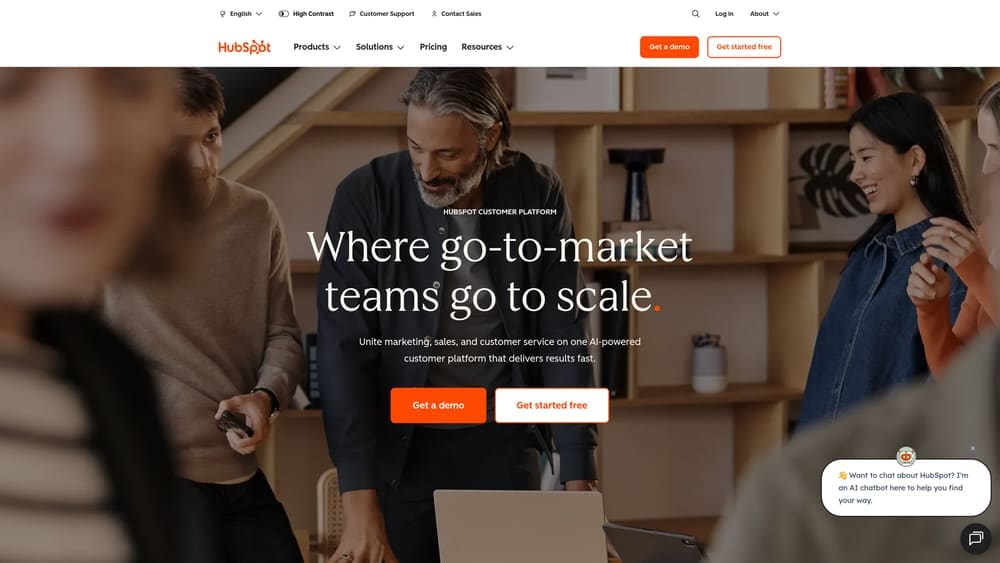
HubSpot is designed to streamline marketing efforts and improve efficiency. Companies can automate their email campaigns, segment their audience, and track engagement metrics effortlessly. The platform is particularly beneficial for inbound marketing strategies, as it enables businesses to attract, engage, and delight customers through personalized content.
Email Marketing Automation: Create personalized email campaigns that engage leads. HubSpot allows you to segment your audience based on behavior and preferences, ensuring that your messaging resonates with each recipient.
CRM Integration: Seamlessly manage customer relationships and track interactions. The integration with HubSpot's CRM allows for a unified view of customer data, enhancing your ability to nurture leads effectively.
Analytics Dashboard: Gain insights into campaign performance and ROI. HubSpot provides robust analytics tools that help you measure the success of your marketing efforts, allowing for data-driven decision-making.
Social Media Tools: Schedule posts and analyze engagement metrics. With HubSpot, you can manage your social media campaigns in one place, making it easier to maintain a consistent online presence.
Lead Scoring: Identify and prioritize leads based on behavior. This feature helps your sales team focus on the most promising leads, improving conversion rates.
Pricing: HubSpot offers various pricing tiers, starting with a free version that includes basic features, moving up to premium options for advanced functionalities. This flexibility allows businesses to scale their marketing efforts as they grow.
2. Marketo Engage
Best for: Enterprise-level marketing automation.
Marketo Engage stands out as a leader in the marketing automation space, particularly suited for larger organizations. Where Marketo truly excels is in its advanced features for lead management and nurturing. With a focus on B2B marketing, it provides extensive capabilities to create targeted campaigns and analyze their effectiveness.
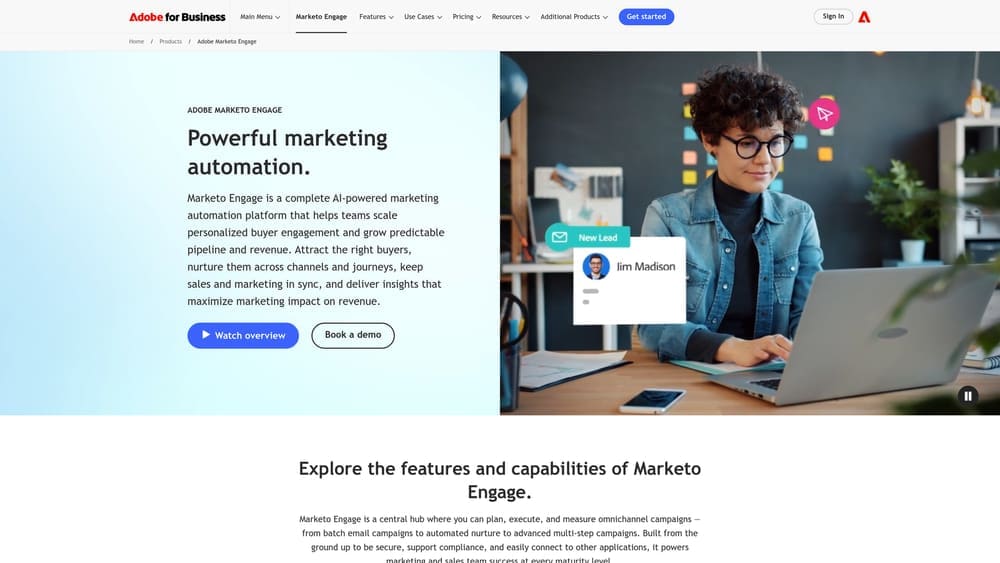
Marketo’s platform allows businesses to execute complex marketing strategies across multiple channels. By automating various marketing processes, companies can enhance their efficiency and ensure a consistent message across all touchpoints.
Multi-Channel Marketing: Engage customers through email, social media, and more. Marketo allows for a cohesive marketing approach that reaches customers where they are most active.
Advanced Analytics: Gain insights into customer journeys and campaign performance. Marketo’s analytics capabilities provide a clear view of how marketing efforts translate into revenue, enabling continuous improvement.
Integration Capabilities: Connect with other platforms for a cohesive marketing strategy. Marketo integrates well with various CRM systems, ensuring that your marketing and sales teams are aligned in their efforts.
Pricing: Marketo’s pricing structure is typically customized based on the features selected and the scale of implementation, making it suitable for enterprises with specific needs.
3. ActiveCampaign
Best for: Email marketing and automation.
ActiveCampaign is a versatile tool that caters to businesses of all sizes, particularly those focused on email marketing. What sets ActiveCampaign apart is its automation capabilities coupled with a user-friendly interface. This makes it easy for businesses to create effective email campaigns that resonate with their audience.
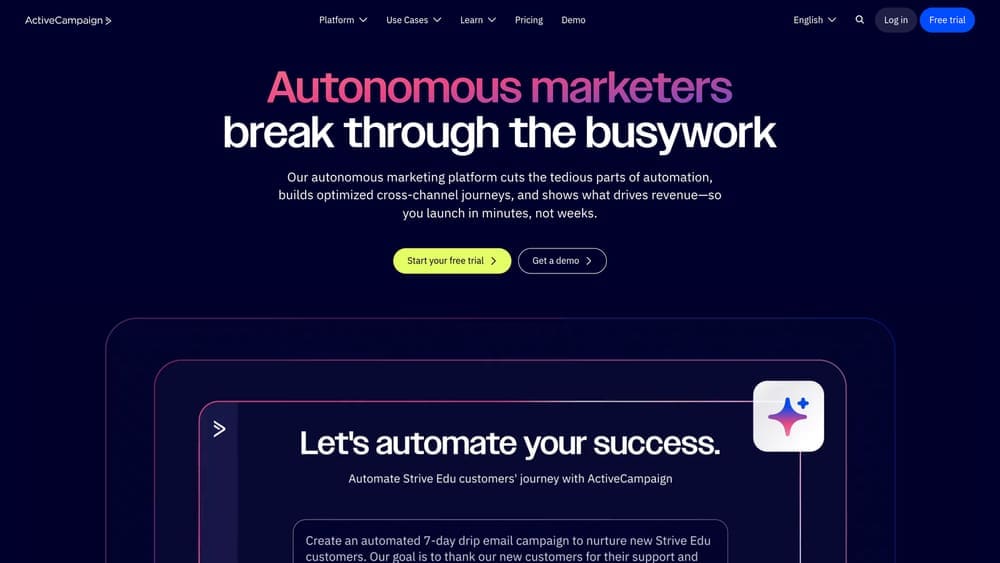
This platform is particularly beneficial for businesses that prioritize customer engagement through personalized communication. ActiveCampaign allows you to automate various aspects of your email marketing, from campaign creation to performance tracking.
Email Sequences: Automate campaigns based on user behavior. ActiveCampaign allows you to set up email sequences that trigger based on specific actions taken by your leads.
CRM Features: Manage customer relationships effectively. The built-in CRM features help businesses keep track of interactions, making it easier to nurture leads and convert them into customers.
Reporting Tools: Track engagement and campaign success. ActiveCampaign provides detailed reporting tools that allow you to analyze the effectiveness of your email marketing efforts.
Pricing: ActiveCampaign offers competitive pricing plans based on the number of contacts and features included, making it accessible for small businesses.
4. Mailchimp
Best for: Small businesses and startups.
Mailchimp is widely recognized for its user-friendly interface and effective email marketing automation solutions. Where Mailchimp shines is in its ease of use and integration with e-commerce platforms. This makes it an ideal choice for small businesses looking to streamline their marketing efforts.
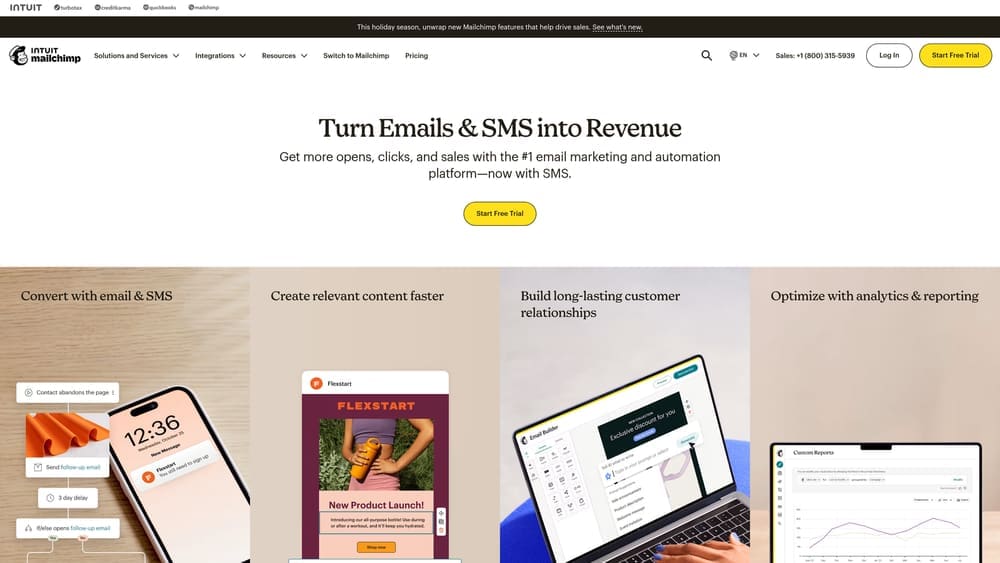
Mailchimp offers a range of features that simplify the email marketing process, from template designs to audience segmentation, allowing businesses to create compelling campaigns with minimal effort.
Templates: Access to customizable email templates. Mailchimp provides a variety of templates that businesses can customize to fit their branding and messaging.
Audience Segmentation: Target specific demographics effectively. With Mailchimp, you can segment your audience based on various criteria to ensure your messages are relevant.
Analytics: Evaluate campaign performance with detailed metrics. Mailchimp’s analytics tools allow you to track open rates, click rates, and overall engagement, helping you refine your approach over time.
Pricing: Mailchimp provides several pricing plans, including a free version that covers basic functionalities, making it accessible for startups and small businesses.
5. Salesforce Pardot
Best for: B2B marketing automation.
Salesforce Pardot is tailored specifically for B2B organizations, providing a robust set of tools for marketing automation. What makes Pardot exceptional is its lead scoring and nurturing capabilities. This focus on B2B marketing allows businesses to engage prospects effectively throughout the sales funnel.
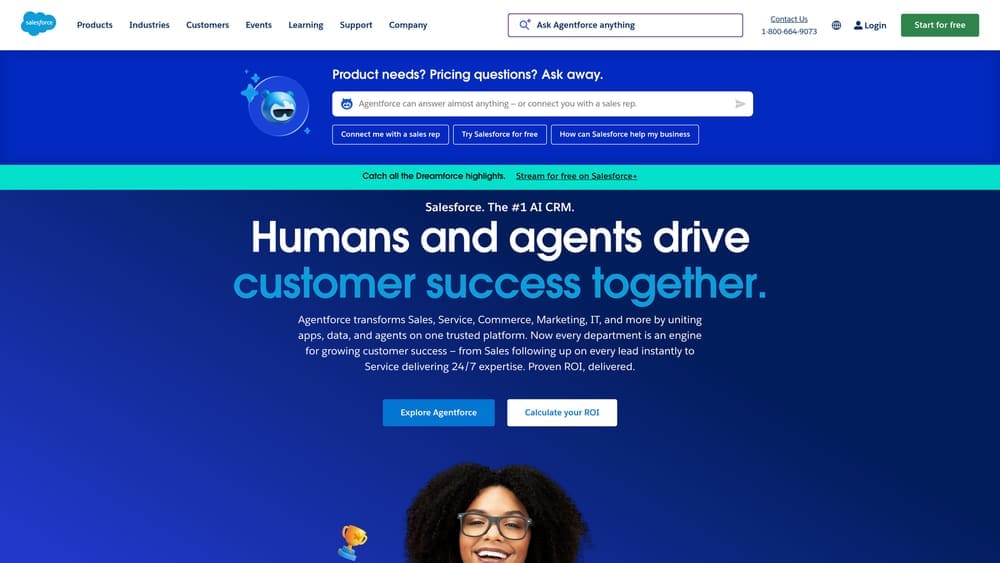
Pardot integrates seamlessly with Salesforce, making it an ideal choice for organizations already using this CRM platform. This integration ensures that marketing and sales teams can work together efficiently, leveraging shared data for better decision-making.
Lead Scoring: Automatically rank leads based on engagement. Pardot allows businesses to score leads based on their interactions, ensuring that sales teams focus on the most promising prospects.
Email Marketing: Create targeted campaigns for B2B audiences. Pardot’s email marketing features enable businesses to send personalized messages that resonate with specific segments.
Integration with Salesforce: Seamlessly connect marketing efforts with sales data. This integration provides a comprehensive view of customer interactions, enhancing the effectiveness of marketing strategies.
Pricing: Pardot’s pricing structure is based on the number of contacts and features utilized, often requiring a consultation for tailored quotes, making it suitable for larger B2B organizations.
6. Zapier
Best for: Workflow automation across multiple platforms.
Zapier is a powerful tool that connects apps and automates repetitive tasks, making it an invaluable resource for marketers. Where Zapier shines is in its versatility in integrating different applications. This allows businesses to create a seamless workflow that enhances productivity.
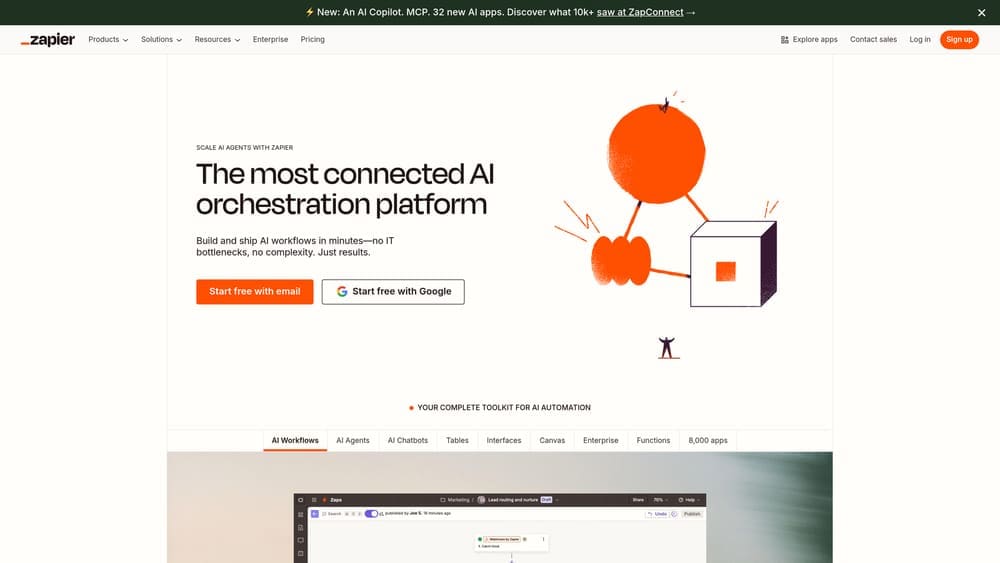
Zapier enables businesses to automate tasks between over 3,000 applications, streamlining processes and reducing manual efforts. This capability is especially beneficial for marketing teams that use multiple tools in their operations.
App Integrations: Connect over 3,000 applications for seamless workflow. Zapier’s extensive list of integrations allows businesses to customize their workflows according to their specific needs.
Automation Workflows: Create “Zaps” to automate repetitive tasks. Users can set up triggers and actions that automate tasks across different applications, vastly improving efficiency.
User-Friendly Interface: Easily set up integrations without coding knowledge. Zapier’s intuitive platform allows users to build automations without needing technical expertise.
Pricing: Zapier offers several pricing tiers, including a free tier with limited functionality, making it accessible for businesses of all sizes.
7. Hootsuite
Best for: Social media management and automation.
Hootsuite is recognized as a leading tool for managing social media campaigns effectively. Where Hootsuite excels is in its scheduling and analytics capabilities. This platform allows businesses to streamline their social media efforts and analyze their performance across channels.
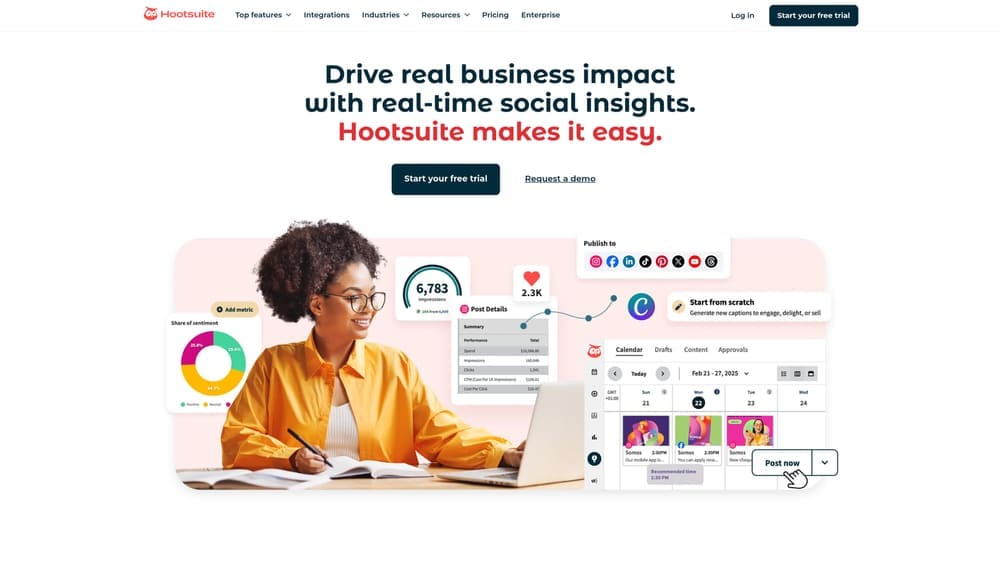
Hootsuite’s comprehensive tools make it easy to manage multiple social media accounts, enabling businesses to maintain a consistent presence and engage with their audience effectively.
Multi-Platform Management: Manage multiple social media accounts in one place. Hootsuite allows users to schedule posts across various platforms, saving time and effort.
Reporting Tools: Analyze performance and engagement metrics. Hootsuite’s reporting capabilities provide insights into how posts are performing, enabling businesses to adjust their strategies accordingly.
Content Scheduling: Plan and schedule posts in advance. This feature allows teams to maintain a consistent posting schedule without the need for real-time management.
Pricing: Hootsuite offers various pricing tiers that cater to different business needs, making it a flexible option for companies of all sizes.
8. Google Ads Automation
Best for: Pay-per-click advertising.
Google Ads is a powerful tool for automating ad campaigns and optimizing performance. Where Google Ads shines is in its ability to optimize bids and manage campaigns efficiently. This platform leverages machine learning algorithms to enhance the effectiveness of pay-per-click advertising.
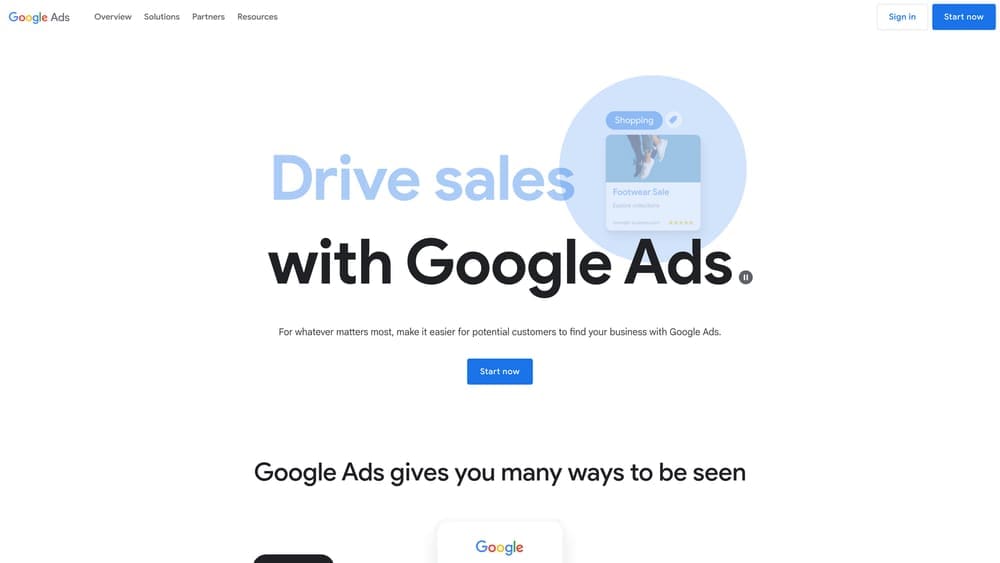
Google Ads automation simplifies the management of advertising campaigns, allowing businesses to focus on strategy rather than execution. With automated bidding strategies and ad optimization features, companies can improve their ad performance significantly.
Automated Bidding: Use machine learning to set optimal bids. Google Ads can adjust bids in real-time based on various factors, ensuring that businesses get the most out of their advertising budget.
Ad Creation: Automate ad generation based on performance data. This feature allows businesses to create ads that are more likely to engage users based on historical performance.
Targeting Options: Refine audience targeting using data insights. Google Ads provides extensive options for targeting specific demographics, enhancing the relevance of ads shown to users.
Pricing: Google Ads operates on a pay-per-click basis, allowing flexibility in budgeting and making it accessible for businesses of all sizes.
9. MailerLite
Best for: Simple email marketing automation.
MailerLite is an intuitive email marketing tool designed for simplicity and effectiveness. What sets MailerLite apart is its focus on providing essential features without overwhelming users. This makes it ideal for small businesses and startups looking for straightforward email solutions.
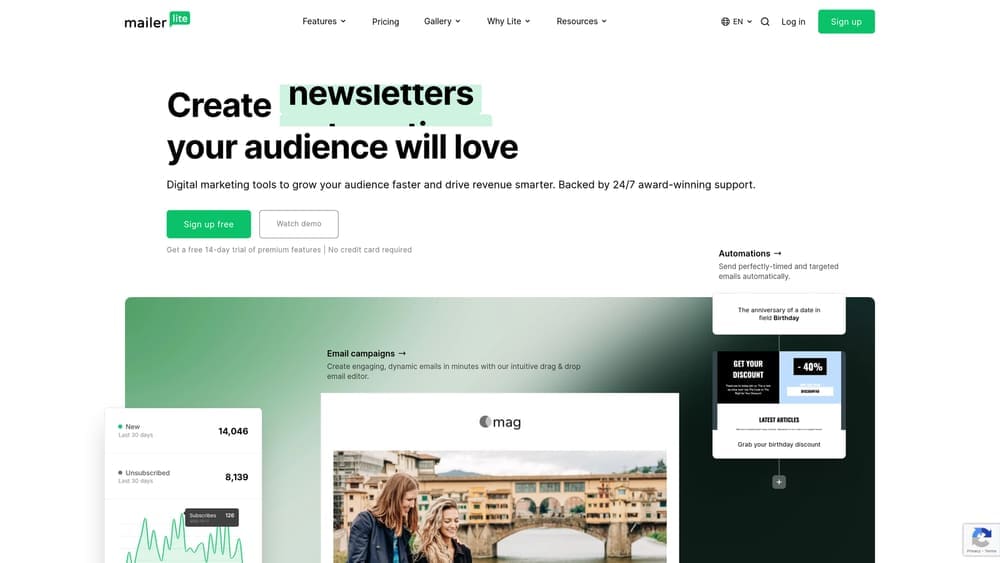
MailerLite's platform offers a range of features that make it easy for businesses to create engaging email campaigns while keeping the process simple and user-friendly.
Drag-and-Drop Editor: Create visually appealing emails effortlessly. MailerLite’s drag-and-drop editor allows users to design emails without needing coding skills.
Subscriber Management: Manage your audience with ease. MailerLite provides tools for segmenting and organizing subscribers, ensuring targeted campaigns.
Automation Workflows: Set up automated email sequences based on user behavior. This feature helps businesses engage their audience effectively by sending timely messages.
Pricing: MailerLite offers a free plan for smaller businesses, with affordable pricing for additional features, making it a cost-effective option.
10. GetResponse
Best for: Comprehensive email marketing and landing page automation.
GetResponse is a robust marketing automation tool that combines email marketing with powerful landing page features. Where GetResponse excels is in its all-in-one approach to marketing automation. This allows businesses to manage their email campaigns and landing pages seamlessly.
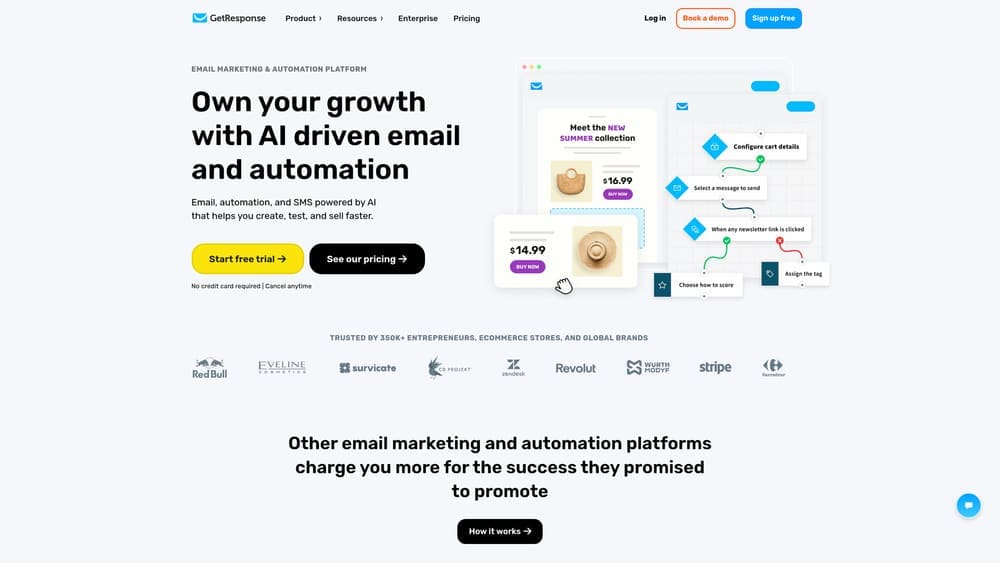
GetResponse provides businesses with a suite of tools designed to enhance their marketing strategies, from email automation to lead generation.
Landing Page Builder: Create high-converting landing pages easily. GetResponse’s built-in landing page builder allows users to create stunning pages that drive conversions.
Email Automation: Set up complex workflows to nurture leads. GetResponse allows businesses to automate their email campaigns based on user behavior and preferences.
Webinars: Host webinars directly through the platform. This feature enables businesses to engage with their audience in real-time, enhancing lead generation and customer relationships.
Pricing: GetResponse offers competitive pricing plans based on features and the number of subscribers, making it suitable for various business sizes.
Putting It All Together
Implementing marketing automation tools is essential for enhancing efficiency and effectiveness in your marketing efforts. Each tool discussed above offers unique capabilities that cater to different business needs and marketing strategies. By evaluating your organization’s specific requirements, you can choose the right marketing automation tool that fits your goals.
As you explore these options, consider how automating your marketing processes can free up valuable time for strategic planning and creativity. The right marketing automation solution can be a game changer for your business, helping you streamline operations and improve customer engagement.
Ready to take your marketing to the next level? Learn more about our services and discover how we can help you implement the right marketing automation tools for your business.
Campaign
Creatives
quick links
contact
© 2025 Campaign Creatives.
All rights reserved.